
South Africa’s residential property market is heading into 2026 with something it has lacked for years: an improved economic backdrop and, dare we say it, a steadier political scene. We’re not talking fireworks in terms of price growth – just an environment that makes buying, selling or simply planning a little more predictable.
For most homeowners – those outside the Western Cape, at least – the past decade and a half has been a painful grind. In real terms, national house prices have fallen by about 20% from their mid-2000s peak, after adjusting for inflation.
The recent data, though, is – at last – tilting in the right direction for owners. While Lightstone’s latest readings show national house price inflation eased to about 3.4% 2025, it outpaced inflation of 3.2% for the second straight year.
That improvement is likely to carry into 2026, with a “modest” bump up, says Siphamandla Mkhwanazi, an economist at First National Bank who helps compile the FNB house price index. “While house prices appear to be plateauing, we still expect real price growth in 2026,” he tells Currency. “Our indicators now suggest that demand is recovering.”
Good news
Part of the story is cheaper borrowing costs. The South African Reserve Bank (SARB) has cut the repo rate by a cumulative 1.5 percentage points since September 2024 – including the most recent 25-basis-point reduction in November 2025. Mkhwanazi points to firmer price momentum too: the FNB index showed house price growth at 4.5% year on year in August 2025, the fourth consecutive month that price growth exceeded consumer inflation.
South Africa’s removal from the Financial Action Task Force greylist last October helped to ease long-running reputational damage. In November, S&P upgraded South Africa’s credit rating for the first time in two decades, pointing to improving fiscal metrics and progress on reforms.
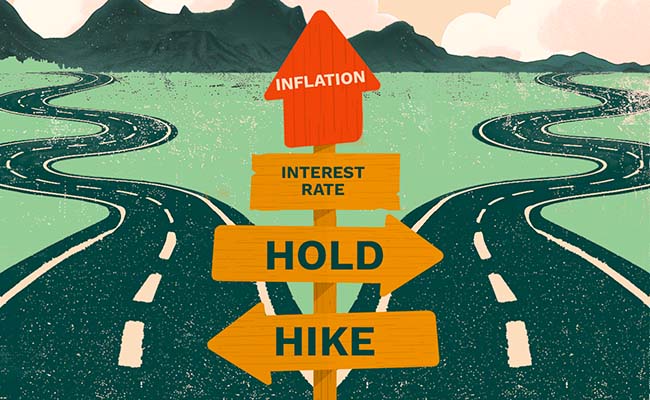
There’s more adding to the improved sentiment – not only from international investors, but also consumers and businesses. The formal shift to a new inflation target of 3%, with a one percentage point tolerance band, is intended to anchor expectations and, over time, allow interest rates to settle at lower levels than South Africans have been used to. The SARB’s latest forecasts put inflation at an average of about 3.3% in 2026 and 3.2% in 2027.
Household finances, too, are showing some signs of healing. Eighty20’s Credit Stress Report, produced with Xpert Decision Systems, found that overdue balances fell 1.4% in the third quarter of 2025 against the prior three months – the first decline since early 2024 – even as overall loan balances continued to rise, jumping 7%.
Wages are also chipping in. Remuneration consultancy Axiomatic forecasts a 5% increase in salaries for 2026, though it also notes that the five-year average real increase remains paltry at about 0.7%.
Improving affordability
Estate agents, meanwhile, despite most of them missing their sales targets in 2025, are also feeling a little more optimistic, according to a survey by Lightstone.
Not everyone is selling for the right reasons, though, and buyers are quite discerning. Downscaling for lifestyle reasons was the main driver of sales, followed by downscaling due to financial pressure (about one in seven sellers), and selling due to relocation – including moves to another province, city or town. And, even when the market improves, buyers are fussy and security has become increasingly important.
None of this adds up to a boom. It is mirroring an economy that is finally starting to breathe life into itself. Affordability is improving due to lower rates and real wage growth. Credit stress, while still high, is easing; policymaking is (very) slowly becoming coherent; and the government is bringing the private sector in (albeit at a glacial pace) to make up for its dismal failures. It’s starting to feel less like a disaster.
ALSO READ:
- Buy-to-let: More schlep than profit?
- The great semigration U-turn
- Luxury residential property investments: which one would you buy?
Top image: Rawpixel/Currency collage.
Sign up to Currency’s weekly newsletters to receive your own bulletin of weekday news and weekend treats. Register here.