

Satrix recently celebrated a quarter of a century since launching South Africa’s first exchange traded fund (ETF) – a period in which the landscape of wealth creation has shifted irrevocably.
With that launch in 2000, Satrix democratised investing by making it more accessible, enabling anyone to own the top 40 companies on the JSE. Today, as we look forward to the next 25 years, the forces shaping investor returns are no longer just about access – they are about transparency, AI and a redefined asset universe.
While previous generations may have relied heavily on traditional property and rigid pension structures, the investor of 2050 will navigate a world defined by AI-driven economies, digital assets and a demand for values-driven global diversification.
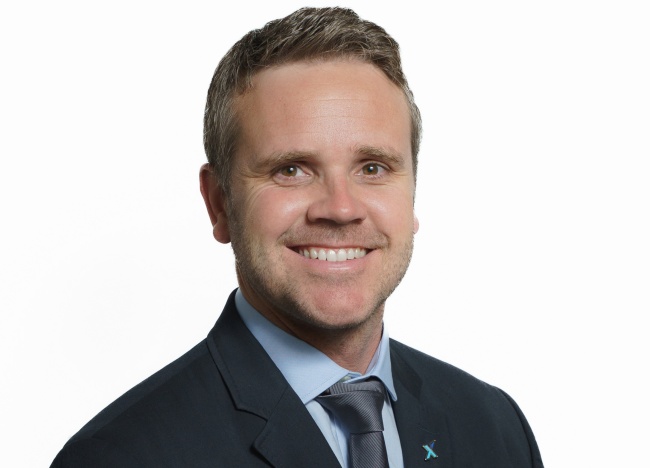
Future investors are used to having information at their fingertips, 24/7 – and while technology may make financial planning easier, it will still need a human touch, says Nico Katzke, head of portfolio solutions at Satrix. What does this mean for the forces shaping the next 25 years of investor empowerment?
The rise of radical transparency
If the past 25 years were about opening the door to the market, the next 25 will be about illuminating exactly what is inside the room. The era of the “black box” investment strategy, where an investor hands over money and hopes for the best, is ending.
“The previous generation of investors trusted more easily and accepted that investment processes may be opaque,” says Katzke. “The next generation, Gen Z and Gen Alpha, will not be as accepting. They want to know more. They are used to having full information on everything, from what they eat to whom they follow online. They will demand to know how and why their portfolios are constructed.”
Katzke notes that while ETFs are naturally transparent regarding their holdings, the industry at large will need to adopt “process transparency”. Future investors will not just ask what returns were generated, but how those returns align with their values and the cost drag of their investment experience.
AI will be your co-pilot, not your captain
As technology reshapes how people interact with money, a common fear is that AI will render the human financial adviser obsolete. Katzke disagrees, arguing that while AI will handle the technical heavy lifting, the human element remains irreplaceable. He likens the future financial adviser to a personal trainer.
“Investing is, and should be, a deeply personal and highly subjective exercise,” explains Katzke. “Even though watching an exercise video on YouTube is simple and free, doing it yourself will likely mean you tire and stop exercising too early. It is the same with long-term investing. Having a human partner to provide technical and emotional support along the journey is key to staying the course.”
In the future, AI may build the “Lego blocks” of a portfolio with extreme precision, but the adviser will be the one ensuring the investor doesn’t panic and exit the market during a downturn. “We don’t believe AI will replace this key function over the next 25 years, but instead it will empower advisers with more information to assist their clients better,” he adds.
From fringe speculation to ‘store of value’
The next quarter of a century will likely see the maturation of digital assets. While the hype often centres on cryptocurrencies replacing fiat money, the reality is likely more grounded.
“We have progressed from calling them cryptocurrencies to crypto assets,” says Katzke. “I don’t foresee a future where we use bitcoin to buy bread and milk; it is not a currency in that sense. However, as regulation evolves and public perception shifts, digital assets will likely sit alongside gold as an alternative store of value.”
Katzke suggests that in 2050, holding digital assets won’t be viewed as speculative gambling, but as a standard, regulated “building block” within a diversified portfolio. They will be used explicitly to hedge against inflation and fiat-currency volatility.
The fundamentals remain timeless
Despite the rapid onset of tokenisation, AI, and global shifts, the core principles of wealth creation remain unchanged. The power of compound interest and the danger of high fees will be just as relevant in 2050 as they were in 2000.
“What the next 25 years may hold is anyone’s guess,” concludes Katzke. “But what will remain the same is the long-term power of compound investing. We hope that in 25 years, Satrix will still be known as the silent partner providing the low-cost building blocks that allow South Africans to design their own financial futures.”
Satrix is the leading provider of index-tracking investment products and exchange traded funds in South Africa with assets under management of R300 billion* as at 31 December 2025, invested across a range of ETFs, index-tracking unit trusts, and life pooled and segregated portfolios tailored to client mandates or retail funds.
*Source: Satrix
Disclaimer
Satrix consists of the following authorised Financial Services Providers: Satrix Managers (RF) (Pty) Ltd and Satrix Investments (Pty) Ltd. The information does not constitute financial advice. While every effort has been made to ensure the reasonableness and accuracy of the information contained in this document (“the information”), the FSPs, their shareholders, subsidiaries, clients, agents, officers and employees do not make any representations or warranties regarding the accuracy or suitability of the information and shall not be held responsible and disclaim all liability for any loss, liability and damage whatsoever suffered as a result of or which may be attributable, directly or indirectly, to any use of or reliance upon the information.
Sign up to Currency’s weekly newsletters to receive your own bulletin of weekday news and weekend treats. Register here.