
Art fairs can be overwhelming. This year’s Investec Cape Town Art Fair was no different. As the largest and leading international contemporary art fair in Africa, it opens the local art calendar, setting the pace and mood for what to expect in contemporary art throughout the continent and internationally.
There’s always also a lot of hype in the run-up to these multi-day events. Schedules get bandied about and social media is saturated with announcements and promises of interesting events and people. But once the booths are broken down, invoices issued and artworks packed off to new owners, what remains? Mostly we’re interested in a handful of key takeaways – a highlights package for those who didn’t attend, if you will.
A numbers game
As Currency reported before the shindig, February’s edition (the 13th ) took place at the Cape Town International Convention Centre under the curatorial framework or theme of “Listen”. The fair featured 126 exhibitors – 42 making their debuts – from 34 global cities, and showcased more than 490 artists.
But how do you measure success with so many players and moving parts? “Year-on-year growth in attendance numbers, reported artwork sales across price points, international gallery participation, countries represented, and VIP and collector attendance are the metrics considered along with more indicators,” says Laura Vincenti, director of the Investec Art Fair.
“We welcomed 34,000 visitors, which is our highest attendance to date,” she says, adding: “We were very pleased to hear that galleries reported strong sales across multiple sections and price points.”
Everard Read group CEO Charles Shields echoes this. “The fair continues to grow from strength to strength. We found it to be a dynamic mix of our returning loyal client base, as well as brand-new local and international collectors responding enthusiastically to our presentation.
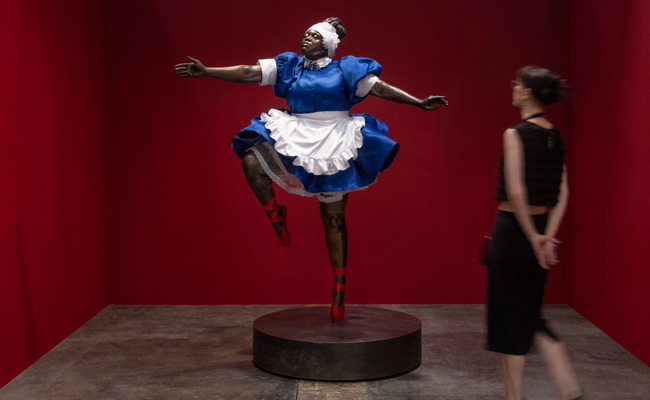
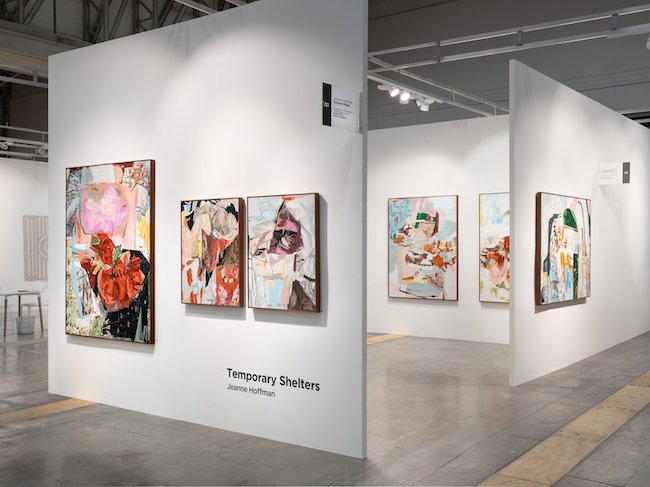
“We had strong sales for most of our artists that included major works like Mary Sibande’s Sophie in Attitude Devant, which was the talk of the fair, and Deborah Bell’s monumental bronze, Reclamation. Jeanne Hoffman’s solo booth was also much loved and deservedly sold out!”
To that end, the fair catered for all types of visitors, not just the big spenders. It offered everything from guest talks to art walks and activation stands outside for those wanting to catch their breath. “We introduced new elements to our programming, including hands-on workshops, which drove increased participation and audience engagement, as well as building the talks auditorium on site – conveniently positioned on the fair floor,” explains Vincenti.
Listening is a verb
“The theme ‘listen’ was not interpreted literally, but sensorially, imaginatively and politically,” says Mariella Franzoni, curator of the “Tomorrows/Today” section at the fair. “Listening this year meant paying attention to what is usually peripheral: the spiritual, the ancestral, the invisible, the emotional. It proposed listening as a way of tuning into a new way of imaging the present, each artist starting from the complexity of their contexts and environment.”
The “Tomorrows/Today” section was not simply a discovery platform that brought emerging artists into the spotlight; it was a space for identifying practices that are conceptually urgent and formally rigorous, yet may not have received full institutional recognition, she points out.
“It’s about recognising artistic voices at a pivotal moment: when their work is already mature in thought and language, but still in the process of expanding its visibility and critical context.”
The section showed works from British-Nigerian artist Chidirim Nwaubani, in which listening becomes a decolonial act. His multimedia work reframed restitution of looted heritage objects and had the crowds actively involved to create the “finished product”.
In the same area, Venezuelan Gabriel Pinto’s photographic essays continued his long-term commitment to building a visual archive of Afro-Venezuelan communities.
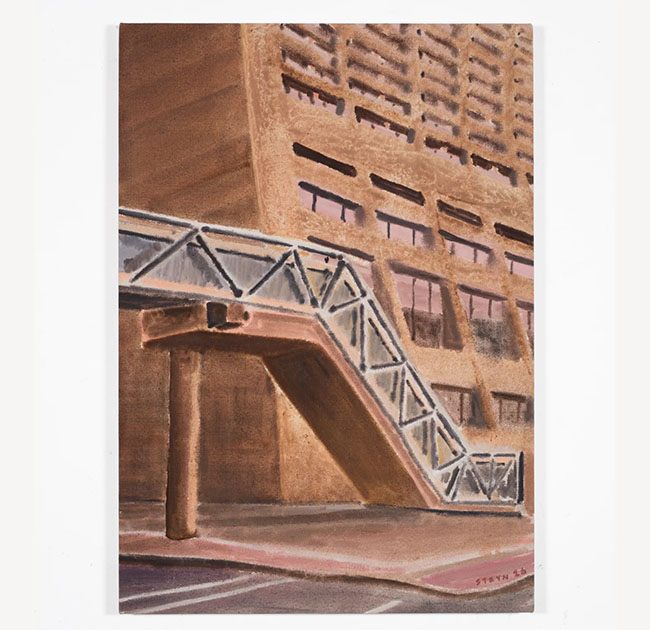
For South African artist Selwyn Steyn, trained in architecture and spatial theory, listening unfolded through painting. Through his portrayal of fragments of Joburg’s architectural history, his “gaze is critically aware of the political and ideological weight embedded in the built environment”, Franzoni notes. (Ed’s note: we agree and think his works depicting brutalist building moments are exceptional.)
All these artworks created the conversation at the fair. Each artist presented by each gallery, their works made in a multitude of mediums, invited the audience to hear how visual art speaks in different ways.
The international crowd
International galleries emerged as a highlight of this year’s fair. Their presence brought new perspectives, introducing the South African audience to artists whose practices resonated with the curatorial theme while expanding the conversation across regional and cultural boundaries.
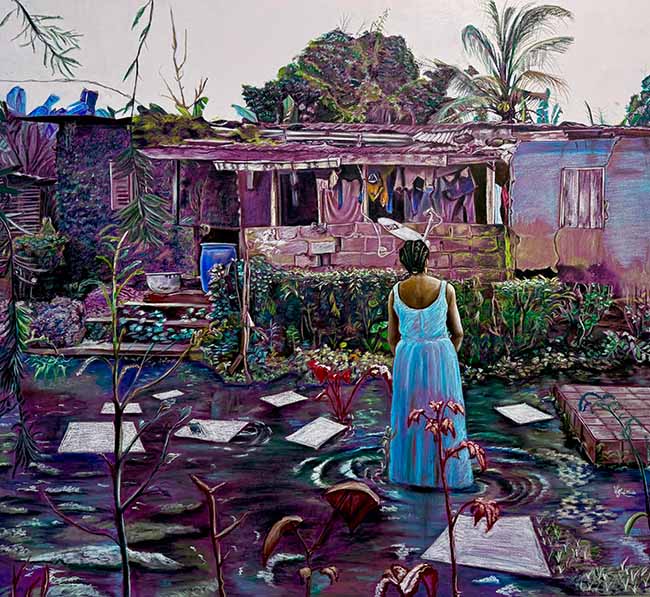
Take the striking painting of Cameroonian artist Wilfried Mbida, presented by Logmo + Makon Gallery in Cameroon. The work explores water as a quiet ritual, a way of reconnecting with memory, mourning and renewal. Using different hues of purple, green and blue, the work invites a form of visual listening, in both its magnitude and the details of the painting.
“The artists we presented were selected because they share a common sensibility, they work through memory, identity, intimacy and social transformation,” says Diane Audrey Ngako, owner and curator of Logmo + Makon gallery.
For Ngako, listening means creating spaces for voices that have long been peripheral in dominant art narratives. “It means slowing down the gaze.”
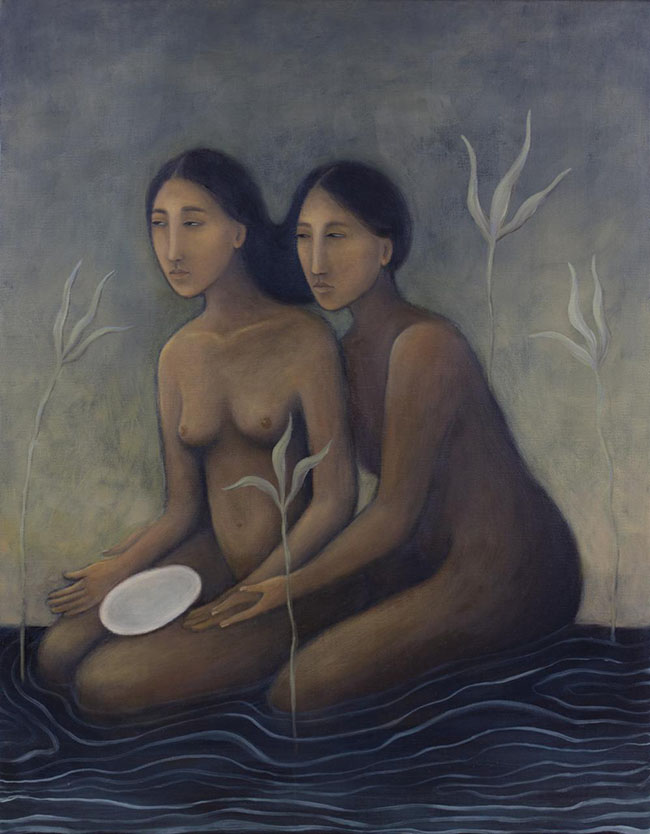
The works of Tja Ling Hu presented by Namuso Gallery, based in the Netherlands, were another crowd favourite at the fair. The work of the Dutch-Chinese artist explores diaspora, inherited histories, identity and womanhood. Her practice engages with memory and the traces of human presence, opening a contemplative space for dialogue with local contexts and audiences.
“Exhibiting her work here was particularly meaningful, as it provided an opportunity to observe how art, particularly shown in Europe, resonates in a different culture and social environment,” says gallery director Yoonseon Oh. “Presenting at the Investec Art Fair feels distinctly different from European fairs in terms of atmosphere, pace and modes of engagement.”
Yoonseon was particularly struck by the day on which the fair was largely dedicated to organised visits by secondary school pupils. As she points out: “The presence of so many young visitors introduced a strong educational dimension to the fair. Their attentiveness and willingness to engage in conversation created a dynamic atmosphere of learning and exchange.”
Support and growth of artists
One of the many tangible ways the fair measures support for emerging artists is through prizes and the recognition they bring. The 2026 edition featured the largest selection of prizes to date, many of which specifically recognised emerging artists. These awards often act as meaningful launchpads, generating important exposure and long-term career momentum.
Shields makes special mention of how thrilled Everard Read was that its artist Warren Maroon won the coveted Investec Emerging Artist Award. His piece was chosen from 31 nominations submitted by a jury at the fair.
South African photographer Sibusiso Bheka was the recipient of the inaugural ORMS International Photography prize. His night-time images document the everyday reality of township life, particularly in Gauteng’s Thokoza.
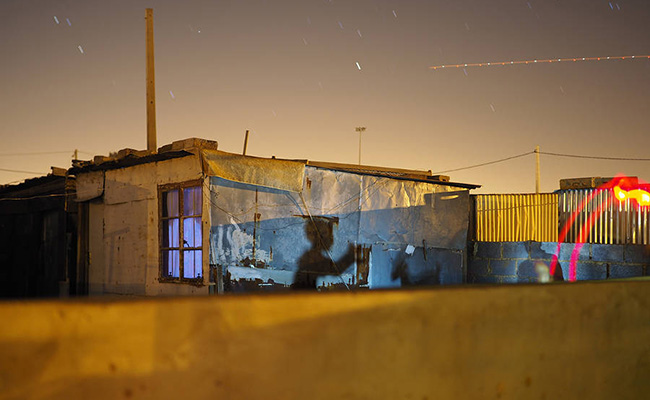
Through thoughtful composition and control of light, Bheka constructs scenes that draw the viewer into the atmospheric density of the township after dark. The works seem almost like sets from a film or stage production but, in their complexity and drama, they reveal Thokoza not as a monolithic site of hardship, but as a layered social landscape that holds intimacy, resilience and contradiction.
The photographs are beautiful and arresting but also remind the viewer of the often overlooked daily life of countless South Africans. And their showing at the art fair means that an entire new audience has now been exposed to them too.
ALSO READ:
- Beyond the brushstroke: Understanding the art scene
- Why the global art world now plans February around Cape Town
- Unlock your inner collector: Flexible payments for South African art lovers
Top image: Featuring Sophie in Attitude Devant (2025) by Mary Sibande. Picture: Michael Hall, courtesy of Everard Read.
Sign up to Currency’s weekly newsletters to receive your own bulletin of weekday news and weekend treats. Register here.