



As we turn off the busy N2 and onto the dirt road that snakes around the rugged fynbos toward De Hoop Nature Reserve, the traffic we encounter is not of the usual Cape Town variety.
It’s caused by an overwrought pair of ostrich parents desperately trying to gather their fledgling chicks on the dirt road. Their inquisitive offspring are oblivious to the chaos they have triggered by daring to veer off the dusty path. In fact, they show absolutely no contrition for the ensuing havoc, leaving us amused and stationary for 10 minutes while they eventually shuffle back into single file so we can continue on our way.
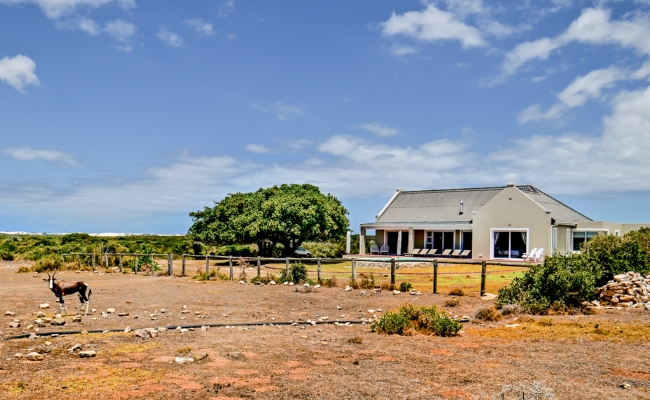
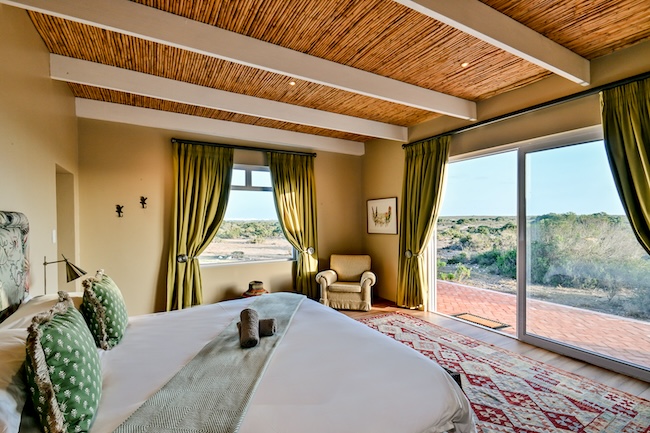
That particular parenting “flap” is quickly forgotten as we settle into the newly opened De Hoop Villa. This exclusive, fully catered retreat is conveniently situated in the heart of the De Hoop Nature Reserve, a World Heritage Site roughly three hours’ drive from the Mother City.
Where the landscape leads
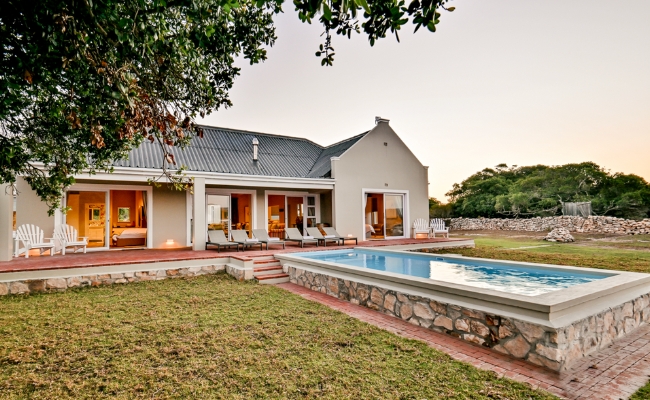
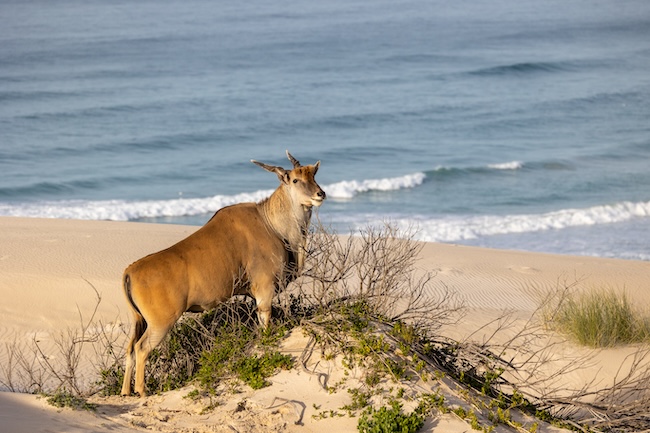
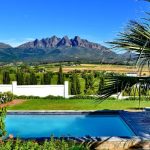
In short, the new build offers a luxurious and immersive nature experience from sunup to sundown. We spent our mornings sitting on the stoep, admiring the uninterrupted panoramic views of sand dunes over cups of coffee, and lazed around by the private swimming pool in the afternoons. The only company on offer was the resident bontebok, looking on with indifference as it grazed nearby.
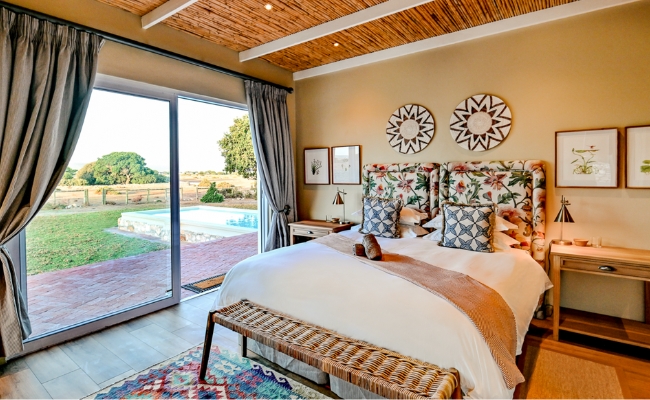
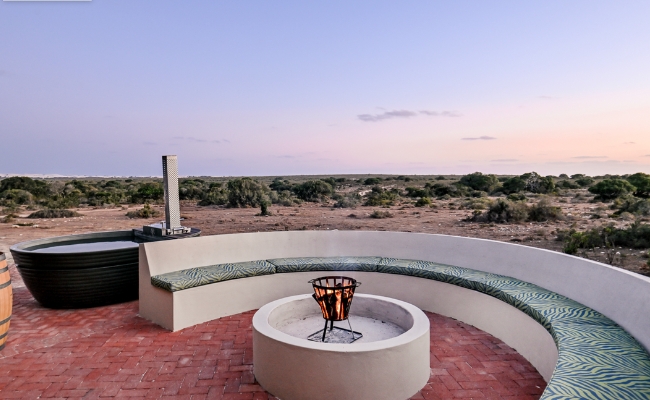
The villa boasts three thoughtfully designed rooms, each with its own en-suite bathroom. For colder weather, the Kolkol wood-fired tub overlooks fynbos and the impeccable flora beyond. To top it off, the villa’s generous boma area provides the perfect setting for starlit dinners and fireside relaxation. What more could one ask for?
Cape Country Routes member De Hoop Collection offers an impressively diverse range of accommodation, each thoughtfully woven into the reserve’s hard-wearing landscape. From self-catering cottages and restored heritage houses to cosy thatched rondavels for the more adventurous, guests can choose the level of comfort that suits their respective journeys and budgets.
Staying at De Hoop
Those seeking indulgence will find it in the suites – some tucked beneath ancient fig trees, others opening onto sweeping vlei views – each offering a peaceful, fully catered escape. For families and groups, there are the farmstead-style houses and the secluded Melkkamer homesteads, which provide privacy and a sense of history.
What distinguishes the De Hoop Collection is not just its thatched lodges or restored farmhouses, but its ever-present philosophy: every visitor is a guest of the land first, and the accommodation second. Conservation is not clever branding here; it is practice.
The De Hoop Collection works hand in hand with CapeNature to safeguard biodiversity across one of South Africa’s most ecologically sensitive corridors. Their stalwart stewardship helps protect breeding grounds for southern right whales, keeps invasive species at bay, and ensures that trails and tourism footprints remain light on the delicate terrain. They monitor wildlife, rehabilitate habitats, and create jobs for the local community in protecting the land that sustains them.
Conservation, history, continuity
The De Hoop Collection is also home to the Origins of Early Southern Sapiens Behaviour exhibition, which highlights the Southern Cape coastline’s archaeological heritage and rich marine environment. It showcases the unique archaeological discoveries made at the globally renowned sites of Blombos Cave, Klipdrift Shelter, and Klasies River, which were occupied by early Homo sapiens between 120,000 and 150,000 years ago.
Most famously, De Hoop offers world-class whale watching and is a paradise for bird enthusiasts, with more than 260 species, including the endangered Cape vultures. A colony of almost 200 vultures roosts and nests in the Potberg Mountains, and riveting vulture hikes and viewing opportunities are offered.
For the adventurer, there are many activities. In particular, the interpretative marine walks are great for early risers. They comprise a guided walking trail exploring fascinating coastal rock pools and intricate marine life.
Golden hour on the vlei
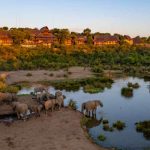
As the afternoon light softens over the De Hoop vlei, the sunset eco boat cruise offers one of the reserve’s most memorable experiences. This slow drift through a wetland alive with birdlife is pure magic. Guests settle into the boat as the sky turns pink and orange, watching pelicans glide low over the water and fish eagles call from their perches.
The guide shares stories about the vlei’s remarkable ecology, from its shy otters to its Ramsar-protected status (designating a wetland of international importance), all while the landscape shifts into a tranquil twilight hush. It’s the perfect blend of relaxation and discovery.
At the heart of De Hoop Collection lies the welcoming Fig Tree Restaurant, an unpretentious gathering place where guests enjoy wholesome, locally inspired cuisine after a day of exploring the reserve. Set beneath the shade of said fig trees and overlooking the peaceful Opstal area, the restaurant blends rustic charm with introspective dining. Menus celebrate seasonal ingredients from the region – freshly baked breads, hearty farm-style dishes, and coastal flavours included.
For the modern traveller, and for South African conservation, De Hoop is more than a destination. It is a reminder of what can flourish when humanity chooses to protect rather than possess.
ALSO READ:
- When in Rome … do as Currency says
- Get a room: Turbine Hotel & Spa
- At the edge of the world, tasting time on St Helena
Currency’s travel content is produced in partnership with Discovery.
Top image: De Hoop Collection Villa
Sign up to Currency’s weekly newsletters to receive your own bulletin of weekday news and weekend treats. Register here.


Lovely review. Definitely inspired me to try and spend a few days at De Hoop when next I am in the Overberg region.