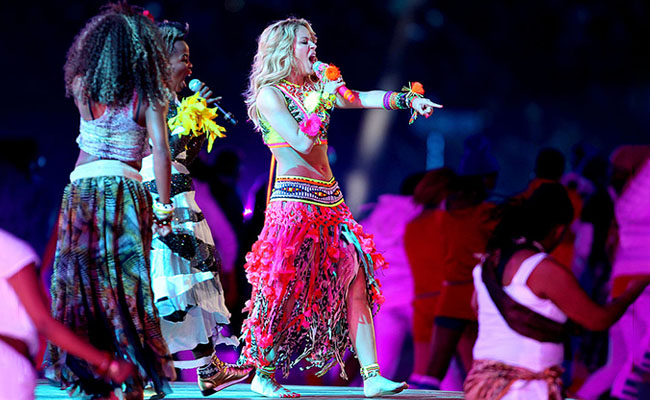

Confusion over the proceeds from the fabulously popular 2010 Soccer World Cup official theme song Waka Waka has become even more intense despite soccer federation Fédération Internationale de Football Association’s (Fifa) claim that all the proceeds of the song – and more – have gone to charity as originally intended.
Currency reported in August this year members of the South African band Freshlyground were campaigning to find out what was happening to the millions of rands still being earned by the official 2010 Soccer World Cup song, which were supposed to go to African charities.
Repeated attempts by the band at the time to get answers about where the money had gone at first met with silence, raising the possibility that it was just absorbed by (Fifa) or record company Sony Music, or both.
Following the report, several local and international publications wrote about the dispute, and finally in response to an article in the Times of London, Fifa issued a two-paragraph statement which claimed Sony Music had paid and continues to pay royalties for the official version of Waka Waka to Fifa, and that Fifa has distributed the income – and more – to deserving causes.
“FIFA’s total investment in the construction of the centres and the support to those organisations has been significantly higher than the revenues received by FIFA as royalties of the FIFA World Cup 2010 soundtrack,” the organisation said, declining to answer follow-up questions.
No clarity on beneficiaries
However, what neither Fifa nor Sony have provided – despite requests from the musicians that go back years – is to break down the year-by-year income and distribution of the royalties. Nor have they specified who the recipients are, despite an agreement drafted by Sony that the musicians would have a say in who would benefit.
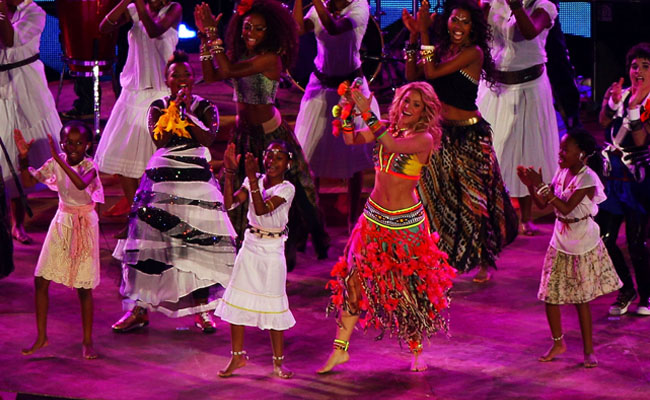
The genesis of the song is unique – and controversial – because prior to its release in 2010, soccer world cup anthems were largely unremarkable and unenduring. But Waka Waka, sung and co-written by global superstar Shakira, was a massive hit when it was released in 2010, and is perhaps the most iconic official world cup song ever, hitting number one in 15 countries and racking up 4.4-billion views on YouTube to date. The song also has just under a billion listens on Spotify and more on Apple Music.
Almost uniquely among world cup songs, it has proved extraordinarily resilient, and over the years still regularly features in the top 20 songs by a female artist on streaming sites and YouTube. Rough estimates of how much it has earned from streaming services, youtube and hard copy sales would be around $50m. Shakira still uses the song as her finale at live concerts, and it’s arguable that the song created the “World Cup song brand” paving the way for songs like “We are one”, the official song of the 2014 World Cup in Brazil, which has had over a billion streams on YouTube.
In 2025, the song had 270 million “plays” on YouTube – more than it had in the year of its release – although its popularity has slipped from when it was getting roughly 380 million “plays” a year.
Fizzled out
The song was put together by one of Shakira’s regular co-songwriters Joe Hill, based on a reworking of Zamina Mina, written and performed in the mid-80s by the Makossa band Golden Sounds (Zangaléwa), a group of Cameroonian soldiers and musicians. For the world cup version, Shakira and Freshlyground added new lyrics, pop arrangements, and their own distinctive elements, turning the military marching song into a global anthem.
But neither Freshlyground nor Shakira have benefited financially from the song because at the time, the arrangement between the publisher, Sony Music, and FIFA, was that the proceeds would go to African charities. Proceeds from the song did help fund Fifa’s “20 Centres for 2010” campaign, according to Fifa documents, which eventually did build facilities in 15 African countries and at least five centres in SA. The campaign fizzled out in around 2017, and Fifa now says that the Fifa Foundation has taken over responsibility for the distribution of the proceeds.
Fifa says that “several” of the original projects that were part of the 20 Centres campaign are still being funded by the foundation, although Currency has discovered that actually only four of the original projects are still operational. But the process clearly did create some momentum, because the Fifa Foundation made contributions to a record 130 non-governmental organisations from across 54 countries. These include five in South Africa: Good Hope Football Club, Training4Changes, United Through Sport, Grassroot Soccer SA, and Special Olympics SA. The FIFA Foundation Advisory Board includes SA tech entrepreneur Robert Gumede.
‘Never selected a charity’
Technically, Sony Music is not eligible to reap earnings from the song because it too said at the time it was produced that it would make its contribution to the production pro bono, as Fifa had insisted. Fifa’s claim that it is continuing to distribute the proceeds of the track comes as a relief to the members of FreshyGround, which has been given the runaround by Sony for years on the subject. Yet, Fifa’s response is not totally satisfying.
“[Fifa] claim royalties go to ‘charities selected by the song’s artists,’ yet Freshlyground, comprising half of the credited artists, never selected a charity,” the band Tells Currency.
“We have requested financial statements showing total money received by Sony from Waka Waka, and total money paid over to FIFA/charity”.
The band has access to a Sony Artist online portal that allows it to view real-time earnings for its releases (excluding Waka Waka), “so we know how simple it would be for such a breakdown to be generated for Waka Waka and shared with us. That this hasn’t been done so far is puzzling. We have not been given a reason why this has not been provided, nor can we think of a good one. The lack of transparency is concerning, especially given that this was meant to be a charitable endeavour,” they say.
No follow-through
Freshlyground says it wants to select a South African charity to receive ongoing proceeds from Waka Waka, as was contemplated in the original draft agreement, but never followed through.
“The preliminary agreement contemplated that Freshlyground would have input on charitable distribution, yet this never materialised. We also discovered discrepancies in the publishing arrangements that were not reflected in the original terms we understood we were agreeing to”.
Freshlyground says it obtained a fraction of the publishing rights only after its publisher intervened. “Whether the agreement was fully executed as originally contemplated, and whether all parties received what the preliminary terms suggested, remains unclear without full financial transparency from Sony and FIFA. Our position is that the charitable intent of the original agreement should be honoured going forward,” the band says.
Top image: Photo by Clive Rose/Getty Images
Sign up to Currency’s weekly newsletters to receive your own bulletin of weekday news and weekend treats. Register here.