
There is a growing sense that Joburg’s residential property market is finally finding its footing again – and in many suburbs, this shift is being driven less by sentiment and more by a clear shortage of stock.
Over the past few months, I’ve tracked listings across 10 Joburg suburbs. The pattern is consistent: supply has dropped to levels we haven’t seen in years. In areas such as Parkhurst, Parkwood, Parktown North and Bryanston, listings are well below long-term norms.
Parkhurst is a useful barometer. Historically, 90-110 homes on the market indicate balance. Above that favours buyers; below 90 tips the scale to sellers. Before the government of national unity elections, Parkhurst had about 164 homes listed. Today there are just 27 – an unprecedented low. Similar trends are evident elsewhere: Parkwood has 17 listings versus a typical 45, Parktown North 19 versus 55-60, Bryanston has dropped from an average of about 1,400 listings to under 500.
The implications are straightforward. Supply and demand ultimately determine prices, and with stock this tight, values are rising more firmly than many realise. The challenge is that transaction data lags reality by about three months, meaning current statistics reflect yesterday’s market.
Cautious buyers
That said, there is a handbrake. Unlike the mid-2000s, consumers are not flush with cash. For most homeowners outside the Western Cape, real house prices remain about 20% below their mid-2000s peak. Years of pressure on the middle class mean buyers are cautious, and not every sale agreed will necessarily conclude.
Still, the broader backdrop is improving. House prices have outpaced inflation for two consecutive years. Notably, average inflation in 2025 was the lowest in 21 years. Interest rates are lower than a year ago, and South Africa’s removal from the Financial Action Task Force greylist and recent credit rating upgrade have improved confidence. The long visa backlog is finally clearing, making it easier for skilled people to work locally.
Infrastructure constraints, which have been a defining drag on the economy, are easing in some areas. Eskom cut load-shedding from 284 days in 2023 to just eight in 2025, while widespread private solar adoption is helping stabilise supply. Since 2023, generating plants of any size can also be built without a licence, accelerating private investment.
Meanwhile, Transnet – at the centre of export bottlenecks for years – signed a 25-year deal in December 2025 to privatise operations at the Durban port, signalling reform momentum. Even The Economist recently made a case for renewed optimism about South Africa’s trajectory.
Semigration to the Western Cape also appears largely played out, with affordability constraints pushing attention back to Joburg and to lifestyle nodes such as Hoedspruit and White River, which are in turn becoming more expensive.
So is the market good right now? Yes – fundamentally. Is it sustainable? That depends on whether consumers continue to regain financial breathing room.
What is clear is this: stock shortages are real, demand is quietly firm, and prices are (finally) shifting.
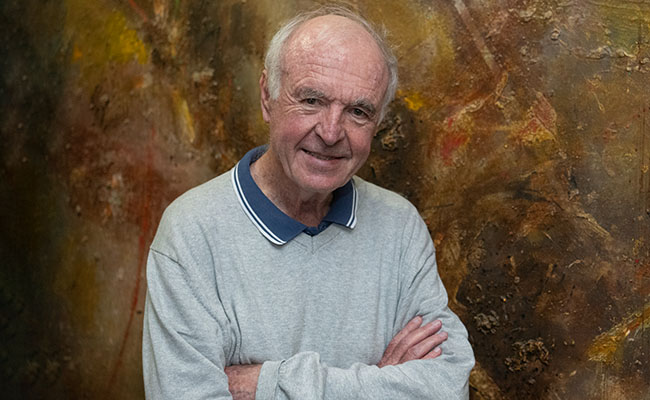
Ronald Ennik is the founder and principal agent at Ennik Estates, a boutique estate agency to the Joburg residential property market, which he established in 2011.
ALSO READ:
- Municipal valuations: Why it’s time for a rethink
- Is this the year for property?
- Buy-to-let: More schlep than profit?
Top image: Rawpixel/Currency collage.
Sign up to Currency’s weekly newsletters to receive your own bulletin of weekday news and weekend treats. Register here.