
Growthpoint Properties has parlayed a slight 2.3% rise in distributable income for the first half into an 8.5% rise in the dividend, to 66.2c a share, and says a series of strategic calls has put the company in its strongest position in years.
Retail vacancies at the property group – South Africa’s largest – are at a decade low, though in the office sector Gauteng is still something of a horror show. To that end, Growthpoint has been steadily offloading B-grade office assets in the province; it sold 14 properties in the half (and made a R5.3m loss on book value in the process). Currency spoke to CEO Norbert Sasse about the numbers.
Growthpoint’s shares – like many others in the listed property sector – had a huge run last year. But conditions for the market aren’t obviously that much easier. Do you think everyone got ahead of themselves?
We’ve got a share price that went from R12 to R19, and when I meet the executive I say to them: “Guys, we’re all feeling so good about life but we didn’t do much of this.” The market and bond yields have driven most of this performance. I track the SA 10-year constant maturity bond yield, and that’s gone from 12.5% to under 8% – which is a 35% rerating. Now why should SA rerate 35%?
I think the single biggest impact still – emotionally, physically, economically – has been electricity stability. What we went through in 2023 was just unprecedented in terms of the disruption on people’s psychology and people’s willingness to invest.
Now overlay that with better sentiment and the better results coming out of property, but if you scratch below the surface, things are tough! Okay, there are pockets, but we’re not flying. [Especially as] we are still overweight office property and Gauteng.
Yes – your Gauteng vacancies in the office sector stood at 17.7%; that’s still pretty awful. Can you see it getting better or do you need some big catalysts for it to improve?
I can only suggest that it’s going to be incremental. You’ve got space being taken out of the market and we probably need more of it – and that’s mainly conversion to residential. You need corporates to grow; you need Absa and Discovery and Alexforbes to hire more people and take more space. You need the work-from-home dynamic to continue changing, though every year more people are being asked to return to the office and corporates are being more firm. And then lack of new supply is a factor. But even if they’re all working together I still think it will take three to four years before you get those vacancies to single digits.
You do say that the renewal success rate in the office division is at the highest in more than a decade – and has gone from three years to just over four – but at the cost of negative reversions. Is this the deal though – you’d rather have tenants locked in for longer and paying a bit less?
Hundred percent. We’re seeing it in Australia as well – and unfortunately we’re also office heavy in our international investments. I don’t know if you’ve ever experienced an empty building, and how quickly an empty building deteriorates. You would rather have someone in your building paying little, than have an empty building.
Look, Estienne [De Klerk, Growthpoint South Africa CEO] always argues the other side of the coin – so if 17% is empty, it means it’s 83% full. But at those levels you’re a price-taker every time you renew a lease.
Is it totally different in the Western Cape?
Totally different. And within pockets. The Waterfront saw positive rental growth of 7.9%; there are no vacancies across the entire precinct. In our Cape Town portfolio, ex Waterfront, we’ve now got about a 95% occupancy with positive reversions in the mid single-digit range. It’s just a different world. And then KwaZulu-Natal, our offices in La Lucia Ridge have vacancies at below 2%.
Given the end of load-shedding (we hope), are you glad you spent more than R1bn on renewable energy in the past few years?
Yes – in fact we wish we had been more aggressive in rolling it out and, if regulations allowed, we would have. If we could wheel to ourselves, and use some of the electricity that we generate on one building and pass it onto the building adjacent, we would do even more. For example, we’ve got these big industrial buildings and to cover [their] needs you only have to cover 20% of the roof space; you could cover 100% and use the other 80% to feed other assets or feed into the grid – but that’s not allowed. If you look at the financial returns, it’s been a much better investment than property has been over the past 10 years.
This story was produced in partnership with Stanlib.
ALSO READ:
- Missed the listed property bus? You can still profit in 2026
- How Attacq’s Waterfall jewel is paying off
- Gauteng’s still a wild card for Growthpoint
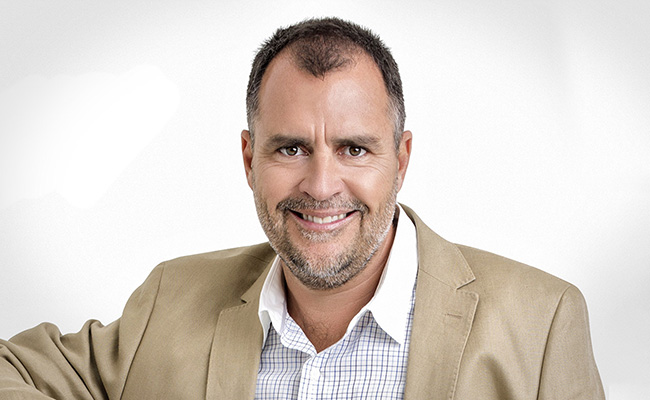
Top image: Growthpoint CEO Norbert Sasse. Picture: supplied.
Sign up to Currency’s weekly newsletters to receive your own bulletin of weekday news and weekend treats. Register here.