
So, did Roy Bagattini jump or was he pushed? And does it matter?
Yes, it does.
If he jumped, was it because, after six long well-remunerated years, he felt he wasn’t making the progress he’d hoped to and may have thought he never would?
If he was pushed, was it because the Woolworths board realized Bagattini was not making the progress they’d expected and there was little hope he ever would?
Either scenario would mean an entirely different board response: the first, a re-active acceptance and the appointment of the closest candidate available. The second, a pro-active decision to place the best candidate available – in this case, a Woolworths lifer running the most successful part of the business.
For Woolworths’ shareholders, the more pro-active board looks like the better option.
What is seriously unlikely, though, is that Bagattini’s age had anything to do with the decision that he relinquish the CEO role.
In the press release announcing what was a widely unexpected move, Woolworths referred to the “significant progress” made in the group’s strategic repositioning – whatever that means – “and Roy’s pending retirement”.
No “specified end date”
Yet this was the first-ever public mention of Bagattini’s retirement – pending or otherwise. While Woolworths told News24 last week that the group’s retirement age for executive directors is 63, it was just 18 months ago that Woolies chairman told shareholders how delighted he was that Bagattini’s fixed-term contract had been extended “without a specified end date”
And, although the chairman had described financial 2024 in his annual review as “overall below our expectations” he said the board was very appreciative of “Roy’s relentless drive to executive the Group’s strategic plans and key initiatives”.
But that chairman was Hubert Brody, who headed the board back in 2020 when Bagattini was first appointed.
Clive Thomson is now the chair. The former Barloworld CEO joined the board in 2019 and took over from Brody in financial 2025. In his annual review of 2025, Thomson referred to the group’s “disappointing overall financial outcome”.
One fund manager told Currency that changes at board level may have had a significant influence on Bagattini’s departure. Not just a new chairman but four of the eight independent non-executive directors were appointed after Bagattini took the helm in February 2020. “Many of the directors involved in the decision to appoint him have left, that could (have changed) the board’s perspective.”
Of course, it could very well have been a joint decision: a tired and frustrated Bagattini and a board happy enough to see him go.
Long term litany of problems
In his recent quite remarkable post-results interview with Currency, Bagattini alludes to key areas where the group continues to be dogged by challenges. The most significant is management’s inability to select the right product. In Australia and South Africa, the group “has product that doesn’t resonate” with customers. This really basic flaw resulted in inflated stock levels and the need for discounted sales.
Then there are the difficulties with the distribution centre as well as the (persistent) inadequate inventory management processes. These again are basic flaws that shareholders have been promised for decades were about to be fixed.
The launch of the MyDifference rewards programme was so disappointing it got no mention in the results.
Woolies Dash seems to offer the only good growth prospects – perhaps because it’s tied in with the group’s one resoundingly successful area – food.
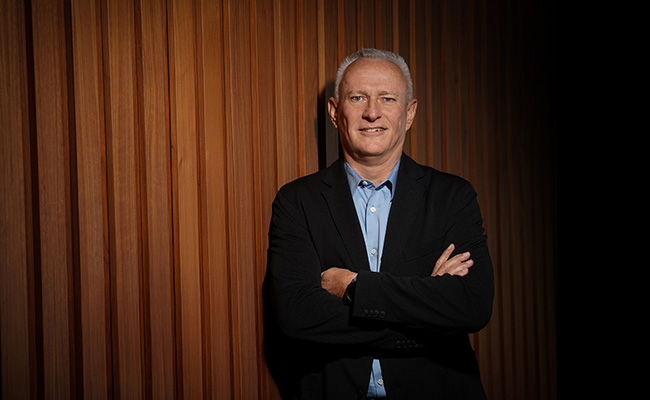
In hindsight, it’s difficult not to interpret the Currency interview as a resignation letter or, at the very least, a ‘to-do’ list for Sam Ngumeni, the 56-year old head of Woolworths Food who will take the CEO hot seat on June 1.
It may also be that Bagattini realized there were no more cheaply priced share options (allocated to him at Covid lows) to exercise and given the flatlining of the share price, his remuneration packages were going to be a lot less sparkly in the future.
At the current R51.35, the share is back to where it was shortly before Bagattini was appointed to replace Ian Moir in 2020. Like most equities, Woolworths’ share recovered well from the Covid shock, reaching a high of R80 during 2024 but currently there’s little on the horizon to encourage hopes of a sustained upward push.
It was the initial allocation of shares that helped to boost Bagattini’s pay for the five years and five months to end-June 2025 to R352.8m; a reward shareholders could only dream of.
Given the near-constant shareholder carping of Woolies’ remuneration policy, it’s unlikely the board would have agreed to upping the package – if indeed it had been asked.
Weary resignation
Unsurprisingly, perhaps, the news of Bagattini’s departure was met with weary resignation by the market. Talya Ginsberg from Umthombo Wealth describes the news as “almost neutral”.
After all, Bagattini has fixed a few of Moir’s messes – most importantly, the David Jones fiasco in Australia.
“But every year there was this sort of anticipation that there’d be a great turnaround in Woolworths, which never did happen, so I wouldn’t say he did nothing, but I don’t think he quite achieved what it was thought he would do,” she tells Currency.
Shane Watkins, executive director and chief investment officer at All Weather Capital also doesn’t seem too troubled by Bagattini’s unexpected departure, but he has evident concerns.
“Roy was paid a lot of money and expected to leave only after the problems he was paid to fix, were sorted,” he tells Currency. “To be fair to him, he took over a business with significant challenges. But many issues remain, especially FBH (Fashion, Beauty, Home) and the perception is that he’s leaving with his task not fully completed,” says Watkins.
Alignment of interests
As Watkins puts it, shareholders don’t mind executives being handsomely remunerated, “but there must be a direct relationship between executive remuneration and the outcomes that result from the management interventions.”
Given that the share price hasn’t risen in 5 years, arguing an alignment of interests is hard to do, “and I feel the WHL board bears some responsibility for this less-than-ideal outcome,” he says.
As for Ngumeni, who has worked at Woolworths for 30 years, Watkins says they are fully supportive of the appointment. He describes Ngumeni as “smart, experienced and extremely competent” but warns that he has some problems to address “right from the get go”.
As Bagattini highlighted in the Currency interview, most of those problems are in the FBH division.
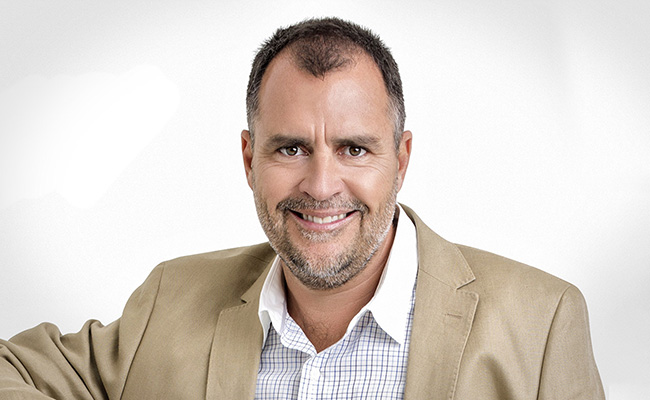
As it happens, last September Woolworths appointed Nuholt Huisamen to take over as CEO of the troubled division. Like Bagattini, Huisamen had spent the previous 10 years at Levi Strauss. Hopefully, he will produce a better result than his former colleague.
Top image: Supplied; Rawpixel/Currency collage.
Sign up to Currency’s weekly newsletters to receive your own bulletin of weekday news and weekend treats. Register here.