South Africa’s Starlink debate has taken a wrong turn – a turn unfortunately widening the digital divide in the country.
Somewhere along the way, gripes about Elon Musk got mixed up with the entirely separate question of whether a low earth orbit (LEO) satellite network can connect communities everyone else has overlooked. These aren’t the same things. Personality politics and megaphone theatrics should not be the reason millions of rural South Africans remain offline as the world races ahead – thereby widening instead of narrowing the digital divide in South Africa.
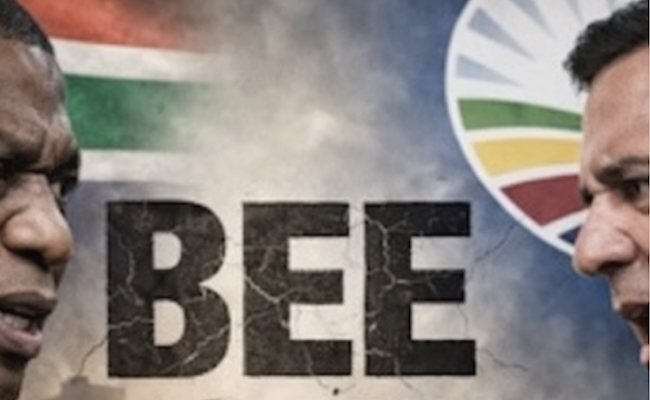
Starlink is not available yet in South Africa because our licensing rules demand 30% local black equity ownership. Starlink’s global structure doesn’t allow for local shareholding, but neither do countless multinational companies that still operate here perfectly legally. For decades, equity equivalent investment programmes (EEIPs) have been the legally recognised doorway through which giants such as Microsoft and JPMorgan have entered, investing directly in South Africa’s growth and transformation, benefiting thousands rather just a connected few.
Yet, the licensing regulations of the Independent Communications Authority of South Africa (Icasa) are the odd ones out: they currently don’t allow EEIPs for satellite internet service providers. This despite the fact that the department of communications and digital technology has already issued a policy directive requesting Icasa to fix this gap – as far back as December, in fact. But we have seen no movement from Icasa since. Absolutely nothing has happened and schools in rural areas stay “internetless”, as they have been for many years.
A crime against the people
This silence is staggering when you consider what Starlink – or any LEO operator for that matter – could unlock for South Africa. Rural entrepreneurs could join digital marketplaces. Farmers could use precision agriculture tools instead of guesswork. Remote clinics could plug into modern telemedicine. Rural safety could leap forward with real-time communication and surveillance, and new investment could flow to far-flung towns.
But the real impact lies in the area of education. In fact, Starlink’s EEIP offer is a commitment to connect 5,000 rural schools with free, fast internet – in perpetuity. Turning this away, or letting the process drag out for years, would be denying millions of learners their chance to step confidently into the modern world.
How can critics – those focused more on Musk’s personality than on South Africans’ needs – justify saying no? It makes no sense.
In my view, denying Starlink would almost be a crime against the people of South Africa.
The truth is, neither government nor the private sector is racing to connect the most remote corners of South Africa. It’s too costly, complicated and easy to ignore. The result is predictable: schools, clinics, farms and businesses in such remote areas are left behind. LEO services make it economically possible to involve people to a far greater extent in the growth of our country.
‘Switching off the internet’
Against all these benefits, critics often fall back on a dramatic worry: “Musk could switch off our entire internet.” That’s simply not how the internet works.
Governments – not companies – are the ones that can order full shutdowns. Iran has done it. Uganda has done it. A country can disable its own gateways if it wants to. But a service provider can only stop its own service, and even then, doing so would anger paying customers. Nobody at Starlink has a big red switch on their desk marked “internet”.
Also, South Africa’s internet is built on a multistakeholder model – no single actor is calling the shots. China’s “great firewall” may show what state-controlled internet looks like, but that’s not our model.
What makes the situation even sadder is that while we tie ourselves in unnecessary regulatory knots, our neighbours are already enjoying the benefits. Starlink is live in more than two dozen African countries. Rural communities in Lesotho, Botswana, Mozambique and many other countries are moving forward. We’re standing still. Some real, active cases of Starlink’s impact should be taken note of – for example, healthcare progress in Kenya and rural schools in Zimbabwe.
Political noise and personality drama should never drown out the truth: Starlink can change lives in South Africa. Whatever your opinion of Musk – and there is no shortage of opinions – it should not dictate what you think about Icasa’s anomalous regulations. Every day this derailed debate drags on is another day the world is denied to rural school children and communities.
South Africans should realise that irrelevant bickering is delaying the empowerment of a large part of their country. Voices should be raised about this delay.
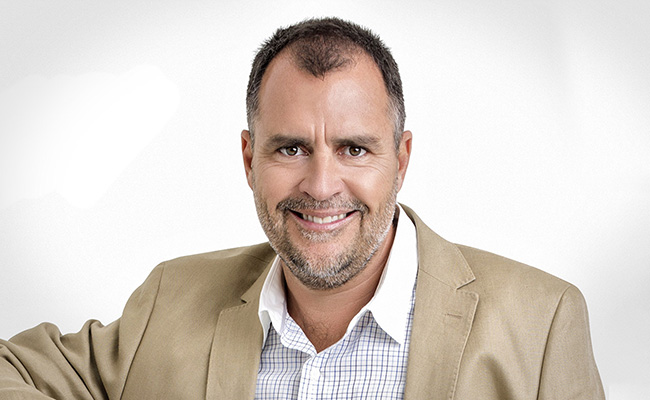
Basie von Solms is a research professor in cybersecurity at the University of Johannesburg.
ALSO READ:
- Starlink and parliament’s theatre of the absurd
- How to play Africa’s satellite revolution
- Is Starlink set for blast-off with BEE policy shift?
Top image: Rawpixel/Currency collage.
Sign up to Currency’s weekly newsletters to receive your own bulletin of weekday news and weekend treats. Register here.