
South Africa’s electricity reform has long been heavy on ambition and light on execution, but a new report argues the country stands at a tipping point, where the focus must shift from policy design to delivery. The study, titled Policy to Power: Ten Actions to Deliver Green, Accessible and Secure Electricity, was commissioned by the South Africa Electricity Traders Association – representing companies that buy and sell power, with members such as Etana Energy, Discovery Green and Enpower – and produced by consulting firm Krutham.
It argues that South Africa’s shift from a vertically integrated monopoly, where Eskom historically generated, transmitted and sold electricity, towards a multi-market electricity system is not just a technical issue but also the biggest economic reform since 1994. The country faces the twin pressures of ageing coal power stations and a shift towards cheaper renewable energy, meaning unprecedented investment in new power plants and grid infrastructure will be needed.
The report isolates 10 priority actions needed to build a low-cost functioning electricity system capable of delivering a reliable and cleaner supply.
- First, a cabinet-endorsed electricity reform roadmap is needed. Without clear political authority, timelines and accountability, reforms risk becoming fragmented across different departments. A single roadmap would align initiatives such as Eskom’s restructuring and pricing reform under one plan, giving investors confidence.
- Closely linked is the need to finalise the electricity pricing policy, which is the backbone of a competitive power market. Put simply, this policy determines how electricity prices are set. Today, the pricing framework still revolves around a regulated, Eskom-centred model based on “allowed revenue”, where tariffs are determined by regulatory decisions rather than through competition. A revised policy would be better suited to a market with multiple generators and buyers, while supporting fair and cost-reflective tariffs, allowing electricity supply contracts to remain bankable and protecting consumers.
- Institutional capacity is another critical constraint. Strengthening both the department of electricity and energy and the regulator, Nersa, is essential to managing a more complex system. Without enough skilled staff, clear policy direction and adequate resources, the report says inconsistent decisions and delays could discourage investment at precisely the moment private capital is most needed.
- The most politically sensitive recommendation is the call to define a credible “end state” for Eskom. The report argues that government must clearly decide what Eskom will look like in the future – what parts of the business it will keep, what role it will play and how its finances will be stabilised – to ensure risks are properly shared between the state and the market, to maintain security of supply.
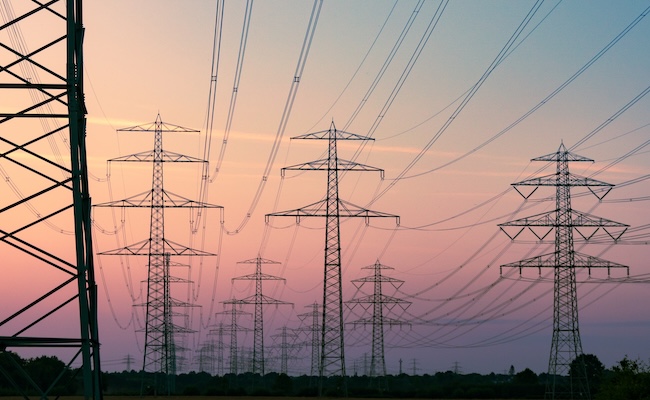
- Network infrastructure is a major bottleneck, with the delivery of the transmission development plan – the expansion of high-voltage power lines – essential to unlocking new investment in generation. Without more grid capacity, new renewable projects cannot connect to the system, slowing the pace of reform and limiting competition.
- At the distribution level, the report highlights the financial and operational challenges facing municipalities, many of which run local electricity networks. Ageing infrastructure, high losses, weak billing systems and large debt (particularly to Eskom) have eroded service quality and limited their ability to support new mechanisms such as wheeling. Because electricity revenues often subsidise broader municipal budgets, tariffs are not always cost reflective. Reforming the distribution industry is essential not only to improve services, but also to ensure municipalities can participate effectively in a more competitive market.
- Trading rules must be finalised to govern electricity transactions between buyers and sellers alongside the wholesale market. Clear rules would recognise traders as independent participants, define responsibilities and reduce uncertainty, helping to attract investment.
- Improving wheeling systems and grid access is another priority. Wheeling – the mechanism that allows electricity generated in one location to be delivered to a customer elsewhere – can take several forms, including traditional wheeling between specific sites, virtual wheeling across multiple locations, and newer models that match multiple generators with multiple customers. The report argues that manual processes currently limit market access and increase costs.
- The launch of the South African wholesale electricity market with a fully implemented market code – essentially the rulebook governing how electricity is traded – is a pivotal milestone. A functioning wholesale market would allow transparent price discovery, meaning electricity prices are set through competition rather than administrative decisions, while helping to manage supply and demand efficiently.
- Finally, the report highlights the importance of enabling cross-border electricity transactions to deepen liquidity and improve regional security of supply. Greater integration with neighbouring countries would allow South Africa to buy or sell power across borders, helping to stabilise the system during shortages or surpluses.
Taken together, the 10 actions form what Kruthum describes as an agenda to move from policy to implementation. The underlying message is that progress depends on co-ordinated execution, rather than new legislation.
Peter Attard Montalto, MD of Krutham, says: “This is not about reinventing policy. It’s about making the hard decisions needed to implement what government has already committed to.”
The report strikes a cautiously optimistic tone, arguing that private capital is already beginning to flow in response to reforms, with traders and independent power producers funding and developing new generation capacity.
And if momentum can be sustained, and remaining bottlenecks removed, Kruthum says the country has a realistic chance of building a more reliable, competitive and lower-carbon power system that manifests in a tangible improvements for businesses, municipalities and households.
ALSO READ:
- Secret Eskom tariff deal may just break SA
- Mozal goes dark as power prices crush beneficiation ambitions
- Eskom says it’ll stop bleeding South Africa dry
Top image: deepblue4you/Getty Images.
Sign up to Currency’s weekly newsletters to receive your own bulletin of weekday news and weekend treats. Register here.