
Iran, the US and Israel reached a tentative, two-week ceasefire Wednesday in the war that tore across the Middle East and disrupted the global energy market, with US President Donald Trump pulling back from his threats to destroy Iranian “civilization”.
But questions emerged over what appeared to be duelling proposals to halt the fighting, with Iran insisting it would control and charge ships passing through the Strait of Hormuz as well as enrich uranium.
Trump initially said Iran proposed a “workable” 10-point plan that could help end the war he launched with Israel on February 28. But he later called the plan fraudulent without elaborating. Trump has said ending Iran’s nuclear programme entirely was a key point of the war.
Israel backed the US ceasefire with Iran, but Prime Minister Benjamin Netanyahu said Wednesday it doesn’t cover fighting against Hezbollah in Lebanon, which continued through the morning. That contradicted comments from Pakistan, a key mediator that said talks over cementing a peace plan would begin as soon as Friday in Islamabad. Pakistan also said the ceasefire began immediately, while Iran launched attacks on Gulf Arab states and Israel soon after.
UN secretary-general António Guterres called on all parties “to abide by the terms of the ceasefire in order to pave the way towards a lasting and comprehensive peace in the region”, his spokesperson said.
Iran and Oman to collect shipping fees in Strait of Hormuz
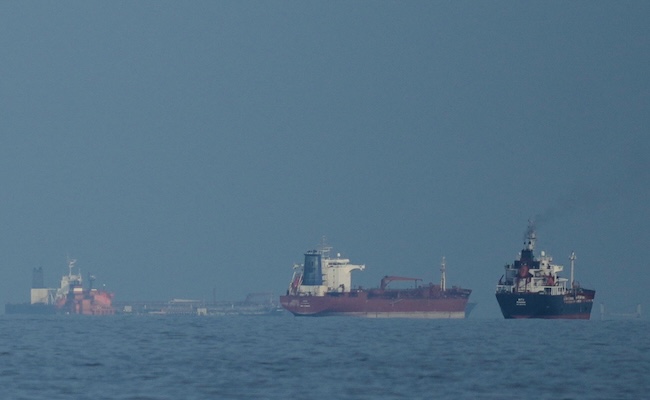
Iranian foreign minister Abbas Araghchi said passage through the strait would be allowed under Iranian military management. It wasn’t clear whether that meant Iran would completely loosen its chokehold on the waterway.
The plan allows for both Iran and Oman to charge fees on ships transiting through the strait, according to a regional official who spoke on condition of anonymity to discuss negotiations they were directly involved in. The official said Iran would use the money it raised for reconstruction.
Though Iran and Oman will oversee the narrow chokepoint, Trump said US forces will be “just hangin’ around in order to make sure that everything goes well”.
In addition to control of the strait, Iran’s demands for ending the war include withdrawal of US combat forces from the region, the lifting of sanctions and the release of its frozen assets.
Since the war began, Trump has repeatedly backed off deadlines just before they expire.
In doing so again Tuesday, Trump said in a social media post he had come to the decision “based on conversations” with Pakistan Prime Minister Shehbaz Sharif and general Asim Munir, Pakistan’s powerful army chief. Sharif, in a post on X hours earlier, urged Trump to extend his deadline to allow diplomacy to advance and asked Iran to open the strait for two weeks.
There are concerns in Israel about the agreement, according to a person familiar with the situation who spoke on condition of anonymity because they were not allowed to speak to the media. The person said Israel would like to achieve more.
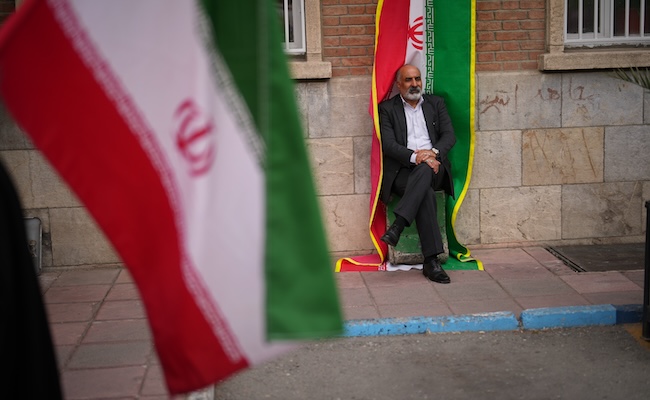
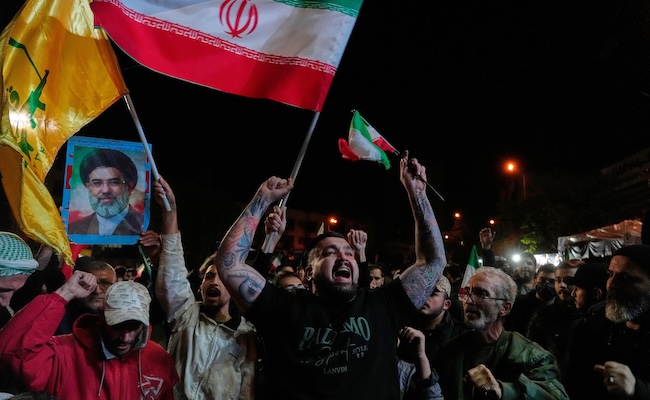
In the streets of Tehran, pro-government demonstrators screamed: “Death to America, death to Israel, death to compromisers!” after the ceasefire announcement and burned American and Israeli flags. It shows the ongoing anger from hard-liners, who had been preparing for what many assumed would be an apocalyptic battle with the US.
Earlier Trump threats raised alarms
“A whole civilization will die tonight, never to be brought back again”, if a deal isn’t reached, Trump said in an online post Tuesday morning. The expansive threat did not seem to account for potential harm to civilians, prompting some officials and scholars to say such strikes would violate international law.
Tehran’s representative at the UN, Amir-Saeid Iravani, said the threats “constitute incitement to war crimes and potentially genocide” and that Iran would immediately retaliate against such actions.
The US and Israel have battered Iran with attacks targeting its military capabilities, leadership and nuclear programme. Iran has responded with strikes on Israel and Gulf Arab neighbours, causing regional chaos and outsized economic and political shock.
While Iran cannot match the sophistication of US and Israeli weaponry or their dominance in the air, its chokehold on the strait has roiled the world economy and raised the pressure on Trump to find a solution.
Airstrikes hit Iran, which fires on Saudi Arabia and Israel
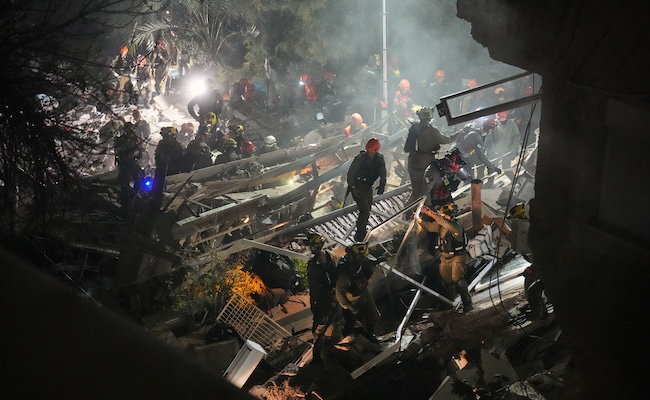
Missile alerts were issued in the United Arab Emirates, Israel, Saudi Arabia, Bahrain and Kuwait after the ceasefire announcement. A gas processing facility in Abu Dhabi was ablaze after incoming Iranian fire, officials said.
Israel was continuing its attacks on Iran, said an Israeli military official who spoke on condition of anonymity in line with military regulations. Iran also kept up fire on Israel.
The US military has halted all offensive operations against Iran but continues defensive actions, said an official, who spoke on condition of anonymity to describe sensitive military operations.
Earlier Tuesday the Israeli military said it attacked an Iranian petrochemical site in Shiraz, the second day in a row it hit such a facility. The military later said it struck bridges used by Iranian forces to transport weapons and military equipment.
More than 1,900 people have been killed in Iran during the war, but the government has not updated the toll for days.
In Lebanon, where Israel is fighting Iran-backed Hezbollah militants, more than 1,500 people have been killed and 1-million people have been displaced. Eleven Israeli soldiers have died.
In Gulf Arab states and the occupied West Bank, more than two dozen people have died, while 23 have been reported dead in Israel, and 13 US service members have been killed.
Reporting by Bassem Mroue, Jon Gambrell and Samy Magdy, with Farnoush Amiri, Edie Lederer, Aamer Madhani, Konstantin Toropin, Seung Min Kim, Michelle L Price, Joshua Boak, Will Weissert, John Leicester, Nicole Winfield, Amir-Hussein Radjy and Natalie Melzer.
ALSO READ:
- Trump gives Iran till Tuesday to open Hormuz
- Iran has been threatening to close the Strait of Hormuz for years – it’s a key part of Tehran’s defence strategy
- Trump offers 15-point ceasefire plan to Iran
Top image: Pro-government demonstrators chant slogans as they hold Iranian flags and a poster of the Supreme Leader Ayatollah Mojtaba Khamenei in a gathering after the announcement of a two-week ceasefire in the war with the US and Israel, in Tehran on April 8. Picture: AP Photo/Vahid Salemi.
Sign up to Currency’s weekly newsletters to receive your own bulletin of weekday news and weekend treats. Register here.