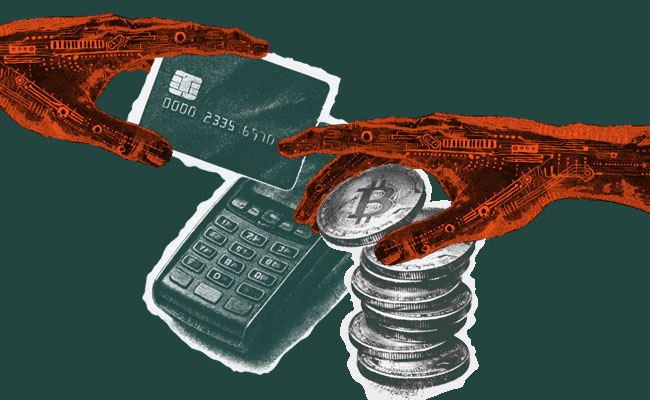

Back in 2014, one of the earliest stablecoins, BitUSD, was created on the BitShares blockchain to solve a basic problem confronting the early cryptocurrency ecosystem: the extreme price volatility of bitcoin and the first generation of altcoins made them difficult to use for everyday transactions, and impractical as reliable mediums of exchange.
The token was designed to track the value of the US dollar.
Users could create it by locking up the network’s native cryptocurrency, BitShares, as collateral inside a smart contract, with the idea that the system would maintain a dollar-equivalent value through over-collateralisation and market incentives. For a time, the model appeared to work.
BitUSD circulated within a small but growing ecosystem of early cryptocurrency exchanges, allowing traders to move between assets without returning to the banking system.
But because BitUSD was backed by BitShares, sharp swings in the price of the underlying token undermined the mechanism intended to maintain the peg, and by 2018 the system entered forced settlement after becoming under-collateralised. The peg broke and the token gradually faded from relevance, joining a growing list of early attempts at digital dollars that proved more fragile than their designers expected.
The idea, however, survived the failure. If anything, BitUSD demonstrated that the demand for a digital representation of the dollar inside financial networks was real, even if the first attempts to engineer it were not robust enough to sustain it.
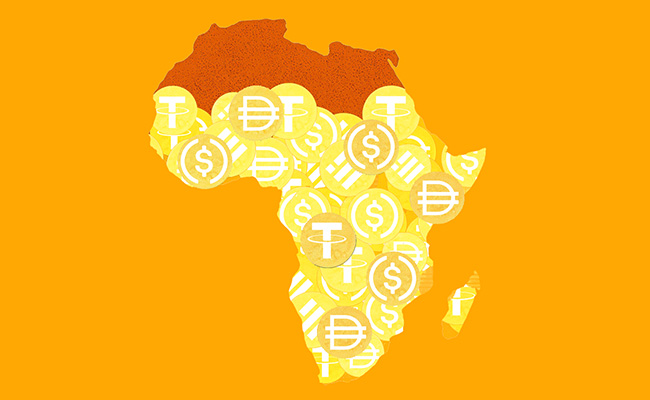
Today, that idea has moved from crypto’s margins into a more practical role in Africa’s financial system, where stablecoins are increasingly being used for payments, savings, remittances and treasury management.
Uptake in Africa
According to a new report by payment infrastructure platform BVNK, stablecoin supply has increased by more than 500% over the past five years, pushing the total market value above $300bn. The report also found that ownership is more widespread in low- and middle-income economies (60%) than in high-income ones (45%), with Africa leading at 79%. Over the past 12 months, the continent has also seen the fastest growth in stablecoin holdings, largely driven by activity in Nigeria and South Africa.
Data from stablecoin infrastructure provider Yellow Card points to the same trend. Stablecoins accounted for 43% of total cryptocurrency transaction volume in Sub-Saharan Africa in 2024. Nigeria emerged as the largest market, recording nearly $22bn in transactions between July 2023 and June 2024. South Africa, meanwhile, has seen stablecoins overtake bitcoin in some measures of crypto use, with volumes growing by about 50% month on month since October 2023.
Much of the uptake stems from long-standing frictions in how money moves across African markets.
In economies where access to hard currency is constrained, stablecoins are being used as an additional channel for holding and transferring dollar-denominated value. They are also reducing the cost and time associated with remittances and cross-border payments, allowing funds to move between individuals and businesses without passing through multiple settlement layers.
For payment companies operating across several jurisdictions, they are being used as a treasury tool to move liquidity between markets without tying up working capital in prefunded accounts.
They are also starting to appear in the labour market, where African professionals working for international firms are receiving compensation directly in digital dollars, preserving the value of their earnings in volatile currency environments.
Part of the financial landscape
These use cases are beginning to intersect with existing payment infrastructure across the continent. In East Africa especially, stablecoins are appearing alongside mobile money platforms, as infrastructure providers build on- and offramps between digital dollars and local currencies that allow them to move within the same payment workflows used for everyday transactions.
The uptake is also being supported by a regulatory environment that is gradually taking shape. Mauritius was among the early movers in establishing a framework for digital asset businesses, while countries including Kenya, Ghana and South Africa have taken steps towards clearer oversight of virtual asset service providers. In many other markets, regulators are engaging directly with industry participants through roundtables and live demonstrations of how these systems operate in practice.
This is not to say there are no legitimate concerns around regulatory reporting, consumer protection and the potential impact of widespread US dollar-denominated stablecoins on domestic monetary policy. Widespread use of such instruments could deepen informal dollarisation, reduce visibility for regulators and shift more financial activity towards privately issued instruments outside traditional banking channels.
Even so, the trajectory suggests that policymakers recognise stablecoins as an enduring feature of the financial landscape. The task now is to craft proportionate frameworks that manage these risks while allowing the technology to develop within the continent’s financial system.
An inflexion point
In the near term, several developments are likely to determine the next phase of adoption. Integration with wallets and mobile network operators, and the emergence of local-currency stablecoins, could deepen domestic use by building on existing payment habits. Consumer-facing innovation that removes technical complexity will also matter; most users will not need to understand blockchains to benefit from them.
Deeper integration with banks may prove to be the real inflexion point, particularly as custody, liquidity provision, and treasury services scale stablecoin applications into areas such as trade finance and supply-chain payments. Whether the ecosystem matures into a cohesive network will depend on interoperability among fintechs, banks and infrastructure providers rather than on the development of fragmented systems.
The bigger question is no longer whether stablecoins have found practical use cases in Africa. It is whether regulators, banks and payment providers can adapt quickly enough to ensure this new layer of dollar-based financial infrastructure develops within the formal system rather than around it.
Adesoji Solanke is head of fintech and banks investment banking origination at Absa CIB.
ALSO READ:
- Crypto: Has the banking industry finally surrendered?
- How AI and crypto will break the internet’s payment model
- Standard Bank is readying the ‘rails’ for stablecoins
Top image: Rawpixel/Currency collage.
Sign up to Currency’s weekly newsletters to receive your own bulletin of weekday news and weekend treats. Register here.