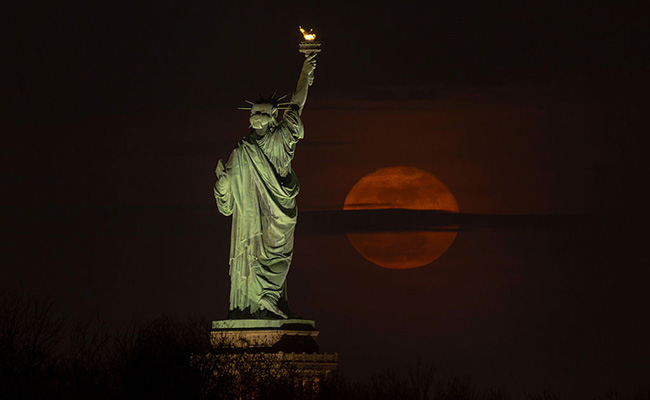

For two decades, I have been a regular visitor to the US, motivated solely by family visits. My daughter first lived in Boston, later in New York, and has now returned to Boston with her husband and two college-aged grandchildren. Travelling so often, I bought a small apartment across from the Lincoln Center in Manhattan. My most recent six-week stay offered not only cherished family moments, but also a chance to reflect on what America stands for today.
New York is a city layered with monuments honouring past heroes. Memorials to those who lost their lives on September 11 2001 are scattered across the city. At a small firehouse on 58th Street, nearly the entire team on duty that day perished. Fordham University’s Sculpture Garden holds a similar tribute, and Central Park is dotted with plaques from families honouring loved ones. These memorials are quiet but powerful reminders of sacrifice and resilience.
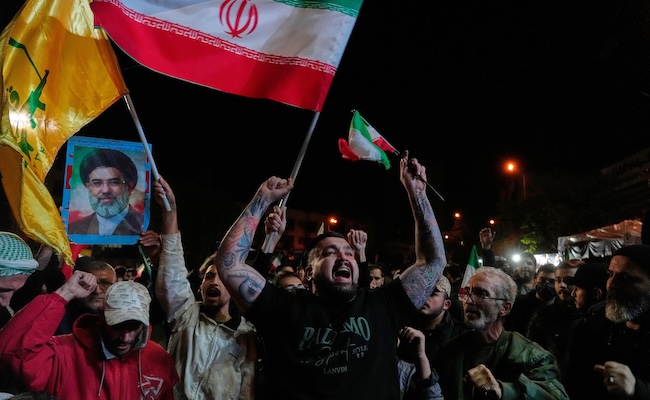
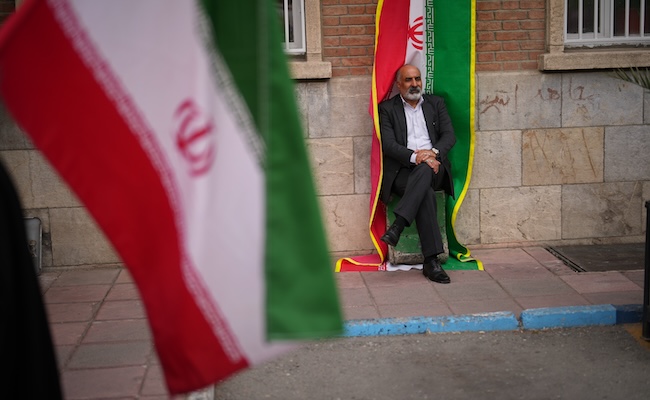
Yet, in conversations with residents in New York and Boston, and in following the media, I sensed a striking irony. The battle against a regime hostile to the West continues, but many Americans appear more focused on removing President Donald Trump than on securing victory abroad.
Polling data supports this shift: terrorism, once the top national concern, now ranks far below domestic issues like inflation, healthcare and political leadership. The paradox is clear: memorials remind the nation of the cost of terrorism, yet public sentiment has turned inward, prioritising domestic politics over foreign wars. It leaves one questioning what America stands for today.
A city transformed
Beyond politics, everyday life in New York reflects broader transformations. The pandemic and the rise of e-commerce have reshaped the city. Restaurants, sandwich shops and midtown cafés that once thrived on office workers have shuttered. Lifestyle changes have altered the pattern of urban consumption.
Meanwhile, luxury retail thrives. My visit with a friend to the Rolex store in Chelsea – to have a link in his watch strap removed – revealed a bustling scene. Rolex, like Hermès with its Birkin bags, is a brand where products are not simply sold to anyone; customers must build a track record of loyalty before being offered the most coveted pieces. Yet the store was packed, mainly with young customers, sipping coffee at the in-house bar while waiting for service. It was a striking image of the wealth, exclusivity and aspiration that still defines New York.
And then there is the remarkable scale and efficiency of e-commerce. Each day, I watched enormous trucks from Amazon and FreshDirect pull up outside, offloading products and orders with military precision. In my building alone, hundreds of packages are stacked up daily, a visible testament to the popularity of these services and their importance in the city’s lifestyle. Convenience has become the new currency, and organisations like Amazon have embedded themselves in the fabric of city life.
Local television is saturated with advertisements from lawyers, often pitched with theatrical urgency to viewers who may have suffered a road accident, an injury at work, been dismissed unfairly, or short-changed by the tax authorities. The sheer volume of these adverts borders on parody. Pharmaceutical commercials are equally striking: glossy images of smiling families are followed by disclaimers rattled off at superhuman speed, listing side effects that range from dizziness to death. Weather coverage, too, occupies significant airtime. It’s a stark contrast to South Africa, where the highlife attractions of sports betting and alcohol consumption make for our main advertising fare.
Coming from South Africa, where infrastructure challenges are a daily reality, I was struck by New York’s efficiency. Potholes caused by severe weather changes are quickly repaired, traffic lights function reliably and tap water is safe to drink. Despite its reputation, New York is remarkably clean. Teams of workers maintain parks and sidewalks, and dog owners are diligent about waste. Litter is rare and, when present, it is usually in tourist-heavy areas.
Dogs – the universal icebreaker
Yet New York is not a friendly city in the conventional sense. If you stop at a water fountain in Central Park during a jog and attempt to strike up a conversation with a fellow athlete, you are met with wary stares. The only socially acceptable way to engage is through dogs – either owning one or complimenting someone else’s. In a city of millions, the dog has become the universal icebreaker.
Six weeks in the US revealed a nation balancing memory, political debate, economic transformation and everyday resilience. From the solemnity of 9/11 memorials to the exclusivity of Rolex, from lawyer ads to dog-walking etiquette, from Amazon’s trucks to spotless sidewalks, the US continues to fascinate me.
America is a nation defined not by the absence of conflict, but by its ability to endure and evolve through it. From the revolution against Britain’s taxes, through the Civil War’s struggle with slavery, to the hesitation before entering two world wars, and the controversies of Korea, Vietnam, Iraq, Afghanistan and now Iran, its path has rarely been straightforward or easily justified. Yet, despite these struggles, the US has consistently reinvented itself, outpacing rivals in science, technology and the arts, while shaping global culture and commerce. As it approaches its 250th birthday, America remains a paradox: splintered yet resilient, disapproving yet determined, a country whose contradictions are inseparable from its strength. Observing its trajectory, I see no sign that this restless energy will diminish anytime soon.
David Shapiro is the chief global equity strategist at Sasfin Securities.
ALSO READ:
- Me and Warren B
- PODCAST: Trump’s America: The mess is the point
- PODCAST: Weathering the ice storm: America’s obsession with catastrophe
Top image: Gary Hershorn/Getty Images.
Sign up to Currency’s weekly newsletters to receive your own bulletin of weekday news and weekend treats. Register here.