Modern wealth has become remarkably difficult to touch.
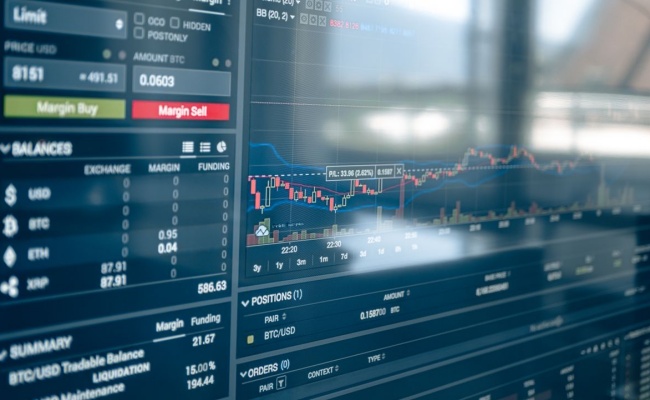
It exists as numbers on screens, movements between accounts and digital records stored somewhere beyond physical reach. Shares, savings, crypto assets, payment platforms and online portfolios have transformed the speed and efficiency of ownership, but they have also changed its emotional texture. Wealth today often feels invisible.
And that may be precisely why tangible assets are quietly regaining cultural relevance.
Gold is not “back”, because it never really left. What has changed is the world around it.
For much of modern economic history, physical ownership was simply normal. People associated value with objects they could store, protect and pass on. Ownership carried a sense of permanence because it occupied physical space in the real world.
Today, the opposite is increasingly true. Convenience has replaced tangibility. Most financial interactions happen instantly and invisibly. Entire portfolios can be managed without ever physically encountering the assets they represent.
This shift has created extraordinary efficiency. But it has also introduced a curious side-effect: a growing appetite for things that feel real again.
Across luxury, design and collecting culture, there has been a noticeable return to objects associated with craftsmanship, scarcity and permanence. Mechanical watches continue to thrive in the age of smartphones. Vinyl records returned in the era of streaming. Handcrafted goods, analogue experiences and collectable objects have all regained appeal with consumers who increasingly value authenticity over sheer convenience.
The case for continuity
The modern luxury conversation has shifted away from conspicuous branding and towards quieter forms of distinction – provenance, quality, rarity and enduring design.
Gold fits naturally into that world.
Not because it is fashionable, but because it sits outside fashion altogether.
Unlike many modern assets, gold does not depend on technological relevance or changing consumer trends. It does not require updates, platforms or ecosystems to maintain its meaning. Its value is rooted in something far older and more stable: global recognition, scarcity and continuity across generations.
That continuity matters in an age defined by acceleration.
Modern financial culture increasingly encourages immediacy. Markets move constantly. Notifications demand attention. Investment platforms are designed for perpetual engagement. The experience of managing wealth can begin to feel less like stewardship and more like endless reaction.
Tangible assets introduce a very different rhythm.
Physical ownership tends to slow decision-making. It encourages deliberation rather than impulse. A collectable object, whether a rare coin, artwork or timepiece, is typically researched, considered and held with intention. The friction itself becomes part of the value.
This may explain why tangible wealth resonates particularly strongly during periods of uncertainty. Not necessarily because people expect catastrophe, but because physical assets provide psychological clarity in environments that increasingly feel abstract and volatile.
There is reassurance in simplicity.
Gold has no quarterly earnings report. It does not rely on a CEO, a government policy decision or the next technology cycle to justify its existence. For centuries, it has remained globally understood in a way few assets ever achieve.
Permanence, trust and value
Importantly, this renewed interest in precious metals is not solely about financial positioning. It also reflects a broader cultural shift in how people think about ownership itself.
Increasingly, affluent consumers are moving away from disposable consumption and towards objects with narrative and longevity. People want to own fewer things, but own them more meaningfully. Collecting has become less about accumulation and more about curation.
That distinction matters.
A thoughtfully assembled collection reflects knowledge, patience and personal taste. It carries identity. The object becomes more than its material value because it accumulates story and context over time.
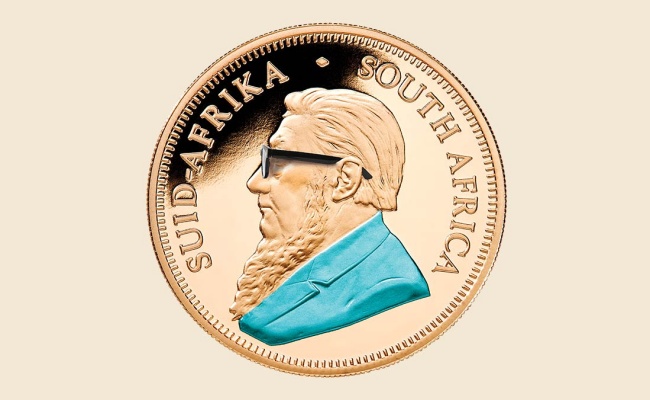
This is one reason collectable coins continue to hold such enduring appeal. They exist at the intersection of history, artistry, craftsmanship and tangible value. They are financial objects, certainly, but they are also cultural objects – small pieces of design and permanence in an increasingly transient world.
And unlike purely digital wealth, they remain grounded in physical reality.
None of this suggests a rejection of modern finance or technology. Digital systems have created enormous accessibility and transformed the way people engage with markets and money. But the rise of intangible wealth has also reminded people that efficiency and emotional confidence are not always the same thing.
Sometimes ownership feels more meaningful when it can be experienced physically.
Perhaps that is why gold feels unexpectedly modern again.
Not because society is moving backwards, but because the digital age has changed the way people think about permanence, trust and value itself. In a world increasingly dominated by invisible wealth, tangible assets offer something increasingly rare: presence.
And there is still something quietly powerful about owning something real.
The South African Gold Coin Exchange (SAGCE), established in 1972, is South Africa’s leading specialist in bullion, rare coins and modern numismatics. Through its retail division, The Scoin Shop, the company serves collectors, precious metals buyers and numismatic enthusiasts across the country, providing access to gold and silver bullion, historic South African coinage and internationally recognised collectable coin programmes.
Sign up to Currency’s weekly newsletters to receive your own bulletin of weekday news and weekend treats. Register here.