On the eve of the June 30 deadline, the sound of the ugly drums of xenophobia, combined with the silence of the majority, was deafening. A certain complacency with the demon seemed to have settled in place of the ubuntu spirit that attracted many of us several decades ago, following the call to help rebuild this beautiful country post-apartheid.
We came here to bring investment; we also created jobs, we paid taxes, we created firms, we introduced innovation from our home countries, we developed the capital markets, we helped train some of the future leaders of the country. We sold the South African story to international investors with relentless passion, and we were successful in doing so across various sectors of the economy.
We also fell in love with the people, we took inspiration from the elders, we supported the Springboks and Bafana Bafana, we sang Shosholoza more often than La Marseillaise, and we allowed the spirit of Madiba to become our guiding light. Out of respect for our hosts, we remained silent and never commented on the ugly politics.
Crossing the border this week at OR Tambo was not a pretty affair, with very long queues, tearful and fearful families leaving the country under duress whether their status was legal or not.
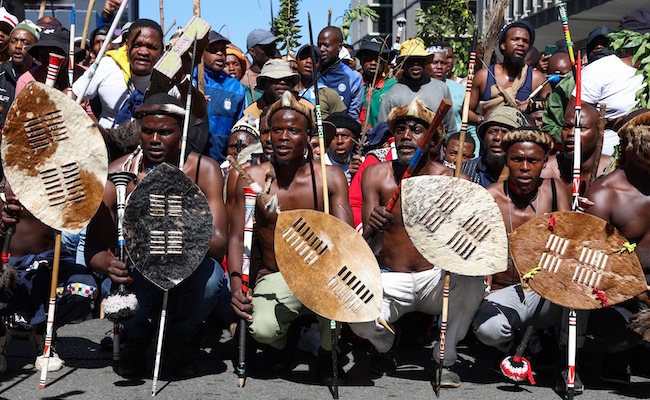
Conversations I recently heard in boardrooms relaying threats against foreign workers, repatriation of their families, and discussions about moving regional HQs away from South Africa are frightening. The immigration extremists in France, the US, Italy and the UK look pale in comparison to marchers holding spears and sjamboks. This witch hunt against foreigners could be remembered as one of the ugliest days in South Africa’s history.
Overcoming hate
It’s why I have decided to break the vow of silence that I took 23 years ago, and call on my South African friends to let the spirit of ubuntu shine again and let the sound of togetherness overcome the calls for hate. Foreigners create jobs, pay tax, and bring investments as well as many other great things, from culture to sport or culinary arts.
We are not the reason for unemployment or lack of space in schools. Corruption and nepotism are. The International Monetary Fund quantified it last year in its report dated January 2025:
- After more than a decade of stabilisation and improvements post 1994, our governance indicators began a long, sustained decline in 2008, making us uncompetitive and creating significant friction in the economy.
- Closing 50% of the governance and business regulations gap compared to the emerging markets standards could add 1.7% of economic growth per annum. Simply put, this means 1.5% real GDP growth could easily become 3.2% by becoming an average student again.
The economy has long relied on FDIs to drive economic growth, as many South African firms stopped investing more than a decade ago. Let it be remembered that FDI stands for foreign direct investment – the key word being “foreign”. If foreigners are not welcome anymore in Mzansi, FDI will dry up and South Africa will lose one of its main engines of growth in globally turbulent times and as the economy started to take off again.
I hear the critics saying that this march is not directed towards me. Well, it is.
Contributing to society
I am a migrant and I am proud of it.
I am proud of the math professor from Zimbabwe who taught my wife statistics; of the gynaecologist from Kenya who delivered my daughter; of the Uber driver from Somalia who drove me to the hospital; of the foetal medicine specialist from Uganda who saved countless South African babies; of this great financier from Zimbabwe who drove investments in South Africa; of the gardener from Malawi keeping my garden blooming; of this telco CEO from Zimbabwe connecting us; of this amazing banker from Nigeria linking South Africa to the world; of this fintech entrepreneur from Benin who put AfricaTech on the map of Silicon Valley; of this brilliant investor from Ghana who built warehouses across the country; of my colleague from Rwanda who is a top-five tennis player in South Africa; of my other colleague from Zimbabwe who preaches peace every Saturday; of this French-Croatian intern who was the first to believe in our vision; of this philosopher from Cameroon tasked by President Emmanuel Macron to overhaul the France-Africa relationship; of this French entrepreneur who created the largest TV station in Africa; of this activist from Southern Africa; of my friend from Kenya empowering disadvantaged kids; of my Irish and Swedish co-founders who gave up their careers in banking to create jobs that didn’t exist.
The colour of our skin doesn’t matter, neither do our nationalities. What matters is what we contribute to this country.
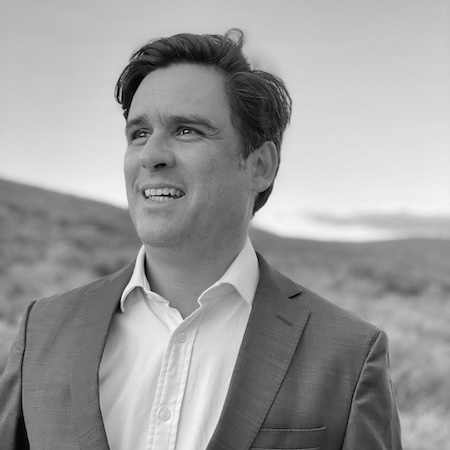
Olivier Frendo is a co-founder of Flamingo Capital Partners, a corporate finance boutique focused on high-growth and high-impact corporates in Africa. This piece was first published on his LinkedIn profile, and is republished on Currency with his permission.
ALSO READ:
- Myth-busting: why foreigners aren’t taking local jobs
- PODCAST: ‘Sharp Sharp’ – the march that could tear South Africa apart
- Spare me your ‘lived experience’
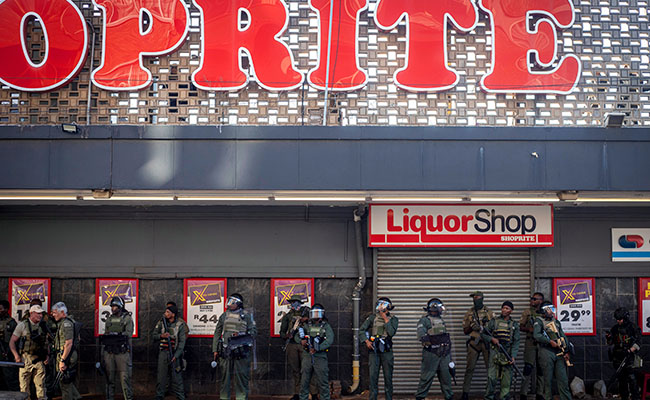
Top image: A private security company guards a supermarket against looting after a demonstration against illegal immigration on June 30 in Yeoville, Joburg. Picture: Per-Anders Pettersson/Getty Images.
Sign up to Currency’s weekly newsletters to receive your own bulletin of weekday news and weekend treats. Register here.