
The holidays can feel like a lifetime ago. For me, they’re usually a pause – a chance to take stock. That matters more now that I’ve chosen the risky, rewarding route of building a business and running a fintech start-up.
Everyone knows decisions take you down different paths. Fewer people think hard about this: the path you choose shapes the outcome as much as the effort you put in.
When it comes to careers and long-term success, people often assume the biggest decision is what they do. In reality, who and what they align themselves with can matter far more.
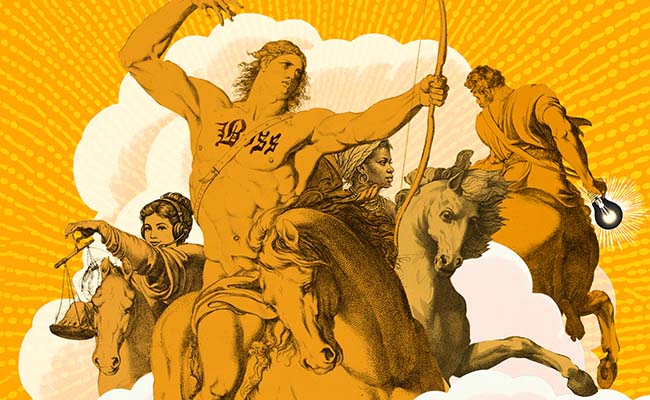
From what I’ve seen – and lived – there are four pathways that most readily lead to success: following a company, following your boss, riding your network, or following an idea. Each can work. But their probabilities, risks and timelines differ.
Follow a company
The most reliable route is aligning yourself with a company already on a strong upward trajectory. Rapid growth creates opportunities for the people inside it: new roles, leadership openings, bigger responsibilities and, often, real financial upside.
Strong companies act as accelerators. They give you structure, resources and momentum that individuals rarely generate alone. Someone who joins a small but promising business and stays through its growth often advances faster – and further – than someone who hops between large, stagnant organisations.
In fast-growing companies, progression isn’t always planned; it’s often pulled forward by need. You may start in one function, then stretch across others as the organisation scales. Over time, your growth becomes inseparable from the company’s growth.
The compounding is powerful. Successful companies invest in training, attract strong colleagues and build recognisable brands that boost their credibility. Even if you eventually leave, having worked at a respected, high-performing organisation signals capability to future employers and partners.
Companies create environments in which you can flourish. Choosing the right one early can make or break the trajectory of the years to come.
Follow your boss
The second most reliable pathway is to follow an exceptional boss. Great managers do more than allocate tasks – they teach judgment, open doors, build teams and model how success works in practice.
A strong boss accelerates learning. They expose you to decisions you would not otherwise see, give honest feedback and trust you with meaningful responsibility. Over time, this builds competence and confidence.
I’ve had the privilege of working for exceptional leaders and managers: Professor Lord Lionel Tarassenko at Oxford University; Roger Mark at MIT (a professor at Harvard Medical School and MIT); and Jonathan Broomberg at Discovery (then CEO of Discovery Health). Each shaped how I think, lead and operate in different ways.
Many successful professionals can trace pivotal moments back to one person who invested in them. Sometimes that boss moves to a new company and brings along trusted team members. Sometimes they recommend former employees for roles elsewhere. Often, they simply embed habits and ways of thinking that keep paying off long after you’ve moved on.
The inverse matters too. A poor manager can stall growth, limit exposure and erode motivation. Two people with identical abilities can diverge dramatically depending on the quality of leadership above them.
Choosing your boss is often more important than choosing your job title.
Ride your network
The third pathway is to leverage relationships – your network of colleagues, friends, mentors and collaborators. Networks provide access to opportunities that rarely appear in formal job listings.
Most roles are filled through referrals, recommendations and informal conversations. Employers prefer people they trust, or people recommended by someone they trust. It reduces uncertainty.
Networks also expose you to ideas and industries you might never encounter otherwise. A conversation can turn into a job move, a partnership, or a career pivot simply because someone knows you, rates you and thinks of you when the moment arises.
Networks compound like investments. Each role brings new colleagues. Each project expands your circle. Over time, that web of relationships becomes one of your most valuable assets.
But the best networks aren’t built through opportunism. They’re built through contribution – doing good work, helping others and maintaining relationships over time. Trust grows slowly, then pays dividends for decades.
Follow an idea
The most uncertain – but potentially most rewarding – pathway is following an idea. This is where I find myself now: committing to a concept, venture or vision before there is clear evidence it will succeed.
Entrepreneurs take this path when they start companies. Researchers do it when pursuing unproven discoveries. Creatives do it when producing work without a guaranteed audience.
The upside is enormous. If the idea works, the financial, professional and personal rewards can be extraordinary. But the probability of success is lower, and the risks are higher.
Many ideas fail not because they were bad, but because timing, execution or circumstances weren’t right. Following an idea demands tolerance for uncertainty, resilience in the face of setbacks, and often years of effort before results appear.
Even when ideas fail, the experience often builds skills, networks and insight that support future success. Failure on this pathway is rarely final – but it can be costly.
Why probability matters
The real difference between these pathways is probability and control.
Following a strong company aligns you with an existing engine of growth. Following a great boss aligns you with someone actively investing in your development. Riding your network leverages accumulated trust. Following an idea depends on uncertain future outcomes.
No path is universally “best”. Different life stages call for different approaches. Early on, joining a strong company or learning under a great boss can build foundational skills. Later, networks may open doors you didn’t know existed. Eventually, experience and confidence can make following an idea more viable.
Most careers combine these routes. Someone might start at a strong company, learn under a great boss, build a network and then pursue their own idea.
The most important step is awareness. Career outcomes are not random. They reflect the environments and people you choose to align with.
Ask yourself:
- Is the company I’m part of growing and creating opportunities?
- Is my manager someone I can learn from and trust?
- Am I building relationships that expand my options?
- Am I pursuing ideas with conviction – or avoiding them out of fear?
Success rarely arrives suddenly. It compounds gradually through repeated alignment with growth, capability and opportunity. A growing company multiplies your effort. A strong boss multiplies your learning. A trusted network multiplies your access. A powerful idea multiplies your potential.
Time moves quickly. The pathway you choose today shapes where you arrive years from now. Effort and talent matter – but the direction you attach them to matters just as much.
Thomas Brennan is a co-founder of Franc, a South African fintech that helps people invest easily and affordably.
ALSO READ:
- ‘Overlanding Through the Boardroom’: The mindset factor
- Beyond the ‘big five’: Where disposition meets conditioning
- How I spend my currency … with York Zucchi
Top image: Rawpixel/Currency collage.
Sign up to Currency’s weekly newsletters to receive your own bulletin of weekday news and weekend treats. Register here.