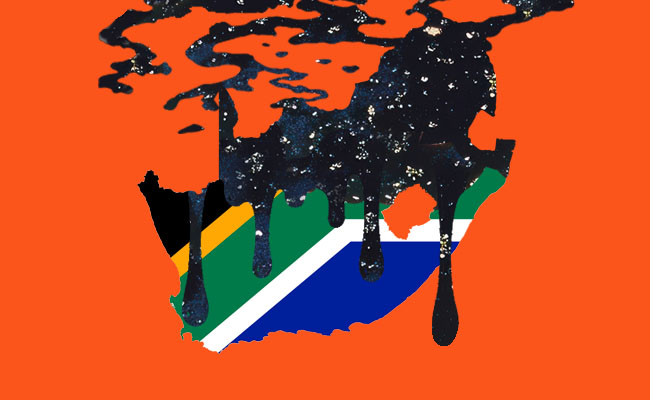

The latest inflation numbers may be offering a false sense of comfort: price pressures are rising, and the real shock – driven by surging oil costs due to the Iran conflict – has yet to hit.
The consumer price index (CPI) ticked up to 3.1% on an annual basis in March compared with 3% a month earlier, Stats SA said in a statement on Wednesday. That matched the estimates of economists polled by Bloomberg, falling well within the South African Reserve Bank (SARB) tolerance band of one percentage point either side of its 3% target.
“March’s inflation print reflects contained, largely domestic pressures, not commodity or energy market stress … yet,” Nolan Wapenaar, the head of fixed-income and co-CIO at Anchor Capital, said in an emailed note titled “The Calm Before the Energy Shock?”
“The energy picture was still positive when the March inflation measurements were taken, and this dynamic is set to reverse,” he wrote.
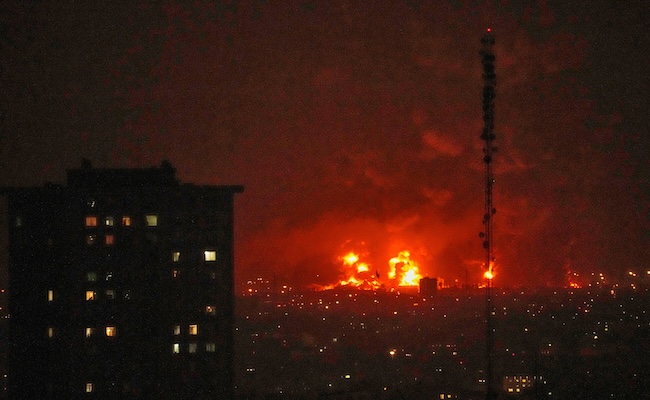
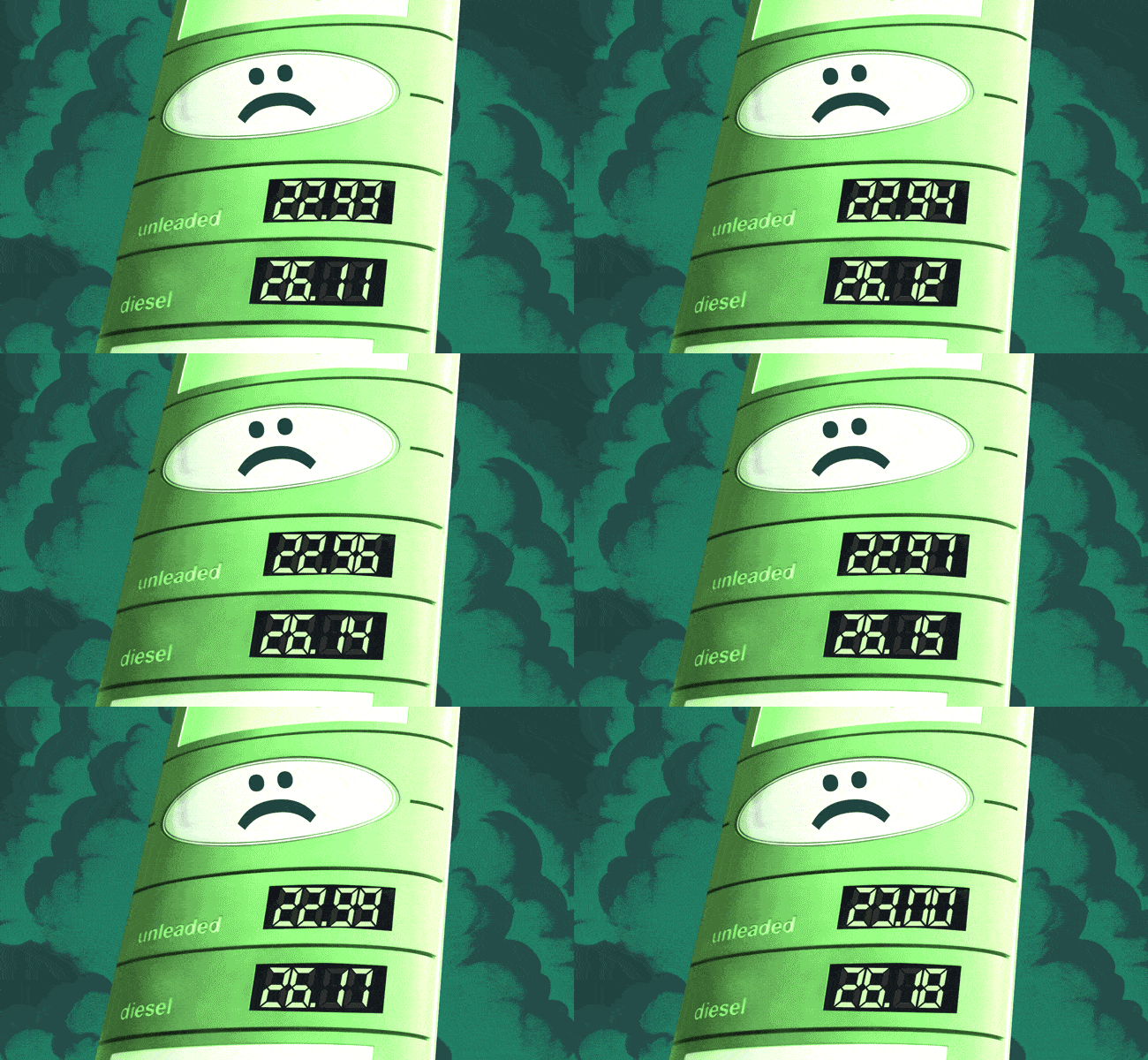
Fuel prices soared by historic levels in April, with diesel reaching a record, after the US and Israel launched air strikes against Tehran on February 28, sending oil prices beyond $100 a barrel – a four-year high. The outbreak of war has unwound what was a promising outlook for interest rates, with market expectations of rate cuts replaced by pricing for at least two hikes by the end of the year.
Getting policy right
While inflation will rise, the SARB still expects it to remain within its tolerance band and return to target by late 2027, SARB governor Lesetja Kganyago told reporters in Pretoria this week.
He was speaking at the release of the Bank’s latest Monetary Policy Review, in which the SARB stress-tested three distinct paths for the economy. While the baseline assumes a temporary energy spike, an “intermediate” outlook – defined by a two-month conflict – sees inflation convergence delayed until 2028 due to higher risk premiums and a weaker rand. In a “severe” scenario involving a year-long blockade and infrastructure damage, the SARB warns that the 3% target would be missed entirely without a “forceful” policy response, potentially pushing the repo rate as high as 8%.
“Getting policy right means ensuring that the price response to these supply shocks is transitory and not persistent,” Kganyago said. “While we look through the immediate first-round effects of oil spikes, we cannot be blind to the risk that these costs become entrenched in the broader economy.”
More fuel relief?
Heading into May, all eyes will be on the department of mineral and petroleum resources to extend the R3-a-litre fuel relief granted in April beyond its May 5 expiration. “It could help to keep the levy for at least another month,” says Chris Hattingh, executive director at the Centre for Risk Analysis.
According to data from the Central Energy Fund this week, 95 octane could increase by as much as R4 and diesel between R11 and R12 if the relief is not extended, Hattingh tells Currency. The government has to weigh the R6bn monthly cost to its finances against risks to inflation, as it seeks to keep a lid on its expenses while supporting hard-pressed consumers and businesses facing the prospect of another year of tepid economic growth.
Hattingh says the agriculture sector is better placed than most to absorb rising input costs. Food inflation, meanwhile, continued to ease, slowing to 3.6% in March from 3.7% in February and 4.4% in January, according to Stats SA.
Housing costs continue to climb, with accommodation services reaching an annual rate of 12.2% – up from 6.8% in February – as university lodging fees reached 7.2% and hotels 6% over the same period.
“The easing cycle has effectively paused, with risks now tilted to a delay in rate cuts and, in more extreme scenarios, potential tightening,” said Anchor’s Wapenaar. “Our base case is that the interest rate remains on hold in the near term. The path forward will depend largely on the oil price trajectory and the persistence of geopolitical risks.”
ALSO READ:
- Phew! Relief at the fuel pumps, but rate risks linger
- Why South Africa needs to brace for rate hikes
- The Hormuz shock didn’t break markets – it repriced them
Top image: Wang Xi/China News Service via Getty Images/Rawpixel/Currency collage.
Sign up to Currency’s weekly newsletters to receive your own bulletin of weekday news and weekend treats. Register here.