The ANC in Joburg has certainly done it this time. Whichever direction it turns is political suicide – and it has no-one to blame but itself.
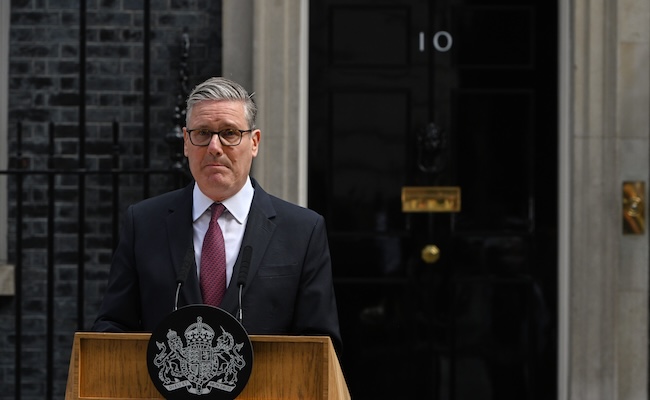
The majority party in the metro was pushed into this invidious position by a letter to the City of Joburg from Enoch Godongwana, leaked to the media this week. Its contents are eviscerating.
The finance minister rather politely points to the city’s revenue collection not reaching budgeted targets; overexpenditure; failure to comply with regulations; failure to prevent unauthorised, irregular, and fruitless and wasteful expenditure (a combined R12.8bn for the 2024 financial year, excluding write-offs); and failure to pay creditors within 30 days.
Then there’s the first serious kicker. “The outstanding amount owed to creditors has increased from R17bn in 2022/23 to R25.2bn in 2024/25, whereas the city’s cash and cash equivalent of R3.9bn in 2024/25 is insufficient to repay outstanding creditors of R25.2bn.”
You have to admire the finance minister’s restraint. Under the grey language he’s basically saying that the most economically important city in the country – Joburg contributes about 16% to national GDP – is insolvent. Cue the red flashing lights.
The ‘illegal agreement’
Then Godongwana hits his stride. In the last four paragraphs of the letter, he takes aim at a R10.3bn wage deal struck with municipal workers’ union Samwu in November, and provisioned in March’s adjustment budget – including the first tranche of R1.4bn. The city is set to pay a further R5bn-R6bn in July, and then R4.1bn by next July.
“Given that the city is in financial distress, it is unclear how it intends to fund these salary increases over the [medium-term revenue and expenditure framework],” Godongwana writes, adding: “You have committed the city into a financial obligation that is not possible to fulfill.”
The agreement is a violation of the Municipal Finance Management Act (a prosecutable offence), he writes, given that the city’s budget is unfunded.
And here’s where it gets super-tricky for the ANC: “You are hereby directed to stop proceeding with the implementation of this illegally signed agreement.” Failing that, the National Treasury will withdraw the city’s July equitable share instalment. The city’s total annual equitable share grant from Treasury is in the order of R8bn.
All of which leaves the party with three options: cancel the deal with Samwu; raise rates for Joburg’s long-suffering residents; or lose the equitable share instalment.
Snookered
Now, the ANC is already a country mile behind its rivals in the campaigning stakes for the November local government elections. DA mayoral candidate Helen Zille has been on the campaign trail since September; ActionSA’s Herman Mashaba hit the ground about two months ago. The ANC is only set to announce its candidate next month.
Looking ahead, it’s not exactly sunshine for the party either. It’s already only polling at 30% in the metro against the DA’s 39%. Should it renege on its deal with Samwu, it risks a key constituency. Samwu is affiliated to trade union federation Cosatu and is the dominant union in a local government that has upwards of 26,000 employees (The Local Government Handbook puts the number at about 40,000). So that’s not entirely insignificant.
Also, if Samwu doesn’t get want it wants, the city will likely be beset by crippling strikes, which can only make the already wretched level of service delivery even worse. Picture steaming piles of rubbish and more gushing water leaks flooding the streets on election day.
Should the municipality push up rates, irate residents are likely to punish it at the polls – particularly given the vanishingly rare service delivery that already defines the administration.
And if it opts to lose its equitable share, capital and maintenance budgets will be cut – sending precisely the wrong message to voters when infrastructure in the city is already decrepit and failing fast. In addition, funding for Joburg’s indigent policy – catering to the 130,000-odd households that can’t afford basic services – is taken from the city’s equitable share, so without a redirection of funds from elsewhere, that could be at risk too. Again, not great ahead of a local government election. It leaves you with a lot of angry voters.
Panic stations
The ANC is in a panic. TimesLive reports that members of the party high command in the city have been trying to get Godongwana on the line. In an astounding demonstration of the misunderstanding of the party-state divide, they reportedly questioned why the finance minister had sent the letter without consulting them first (Godongwana made short shrift of this). They are now pushing for a face-to-face meeting with him – no doubt hoping to lean on party loyalty to mitigate the fallout.
Only, the ANC deserves every bit of the pain that’s coming its way. It’s being called on its voodoo finances, its mismanagement of the city, and its dearth of delivery. It’s now up to voters to take up the cudgels and try save the city.
ALSO READ:
- Why Godongwana had to rebuke Morero on Joburg’s debt crisis
- Borrow now, pay later: Joburg’s budgetary balancing act
- How Joburg set fire to your money
Sign up to Currency’s weekly newsletters to receive your own bulletin of weekday news and weekend treats. Register here.