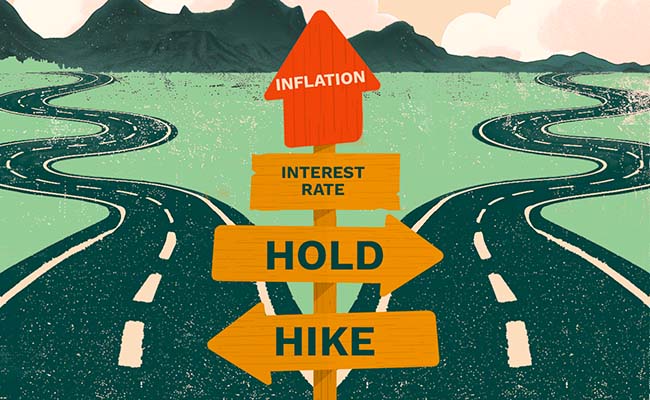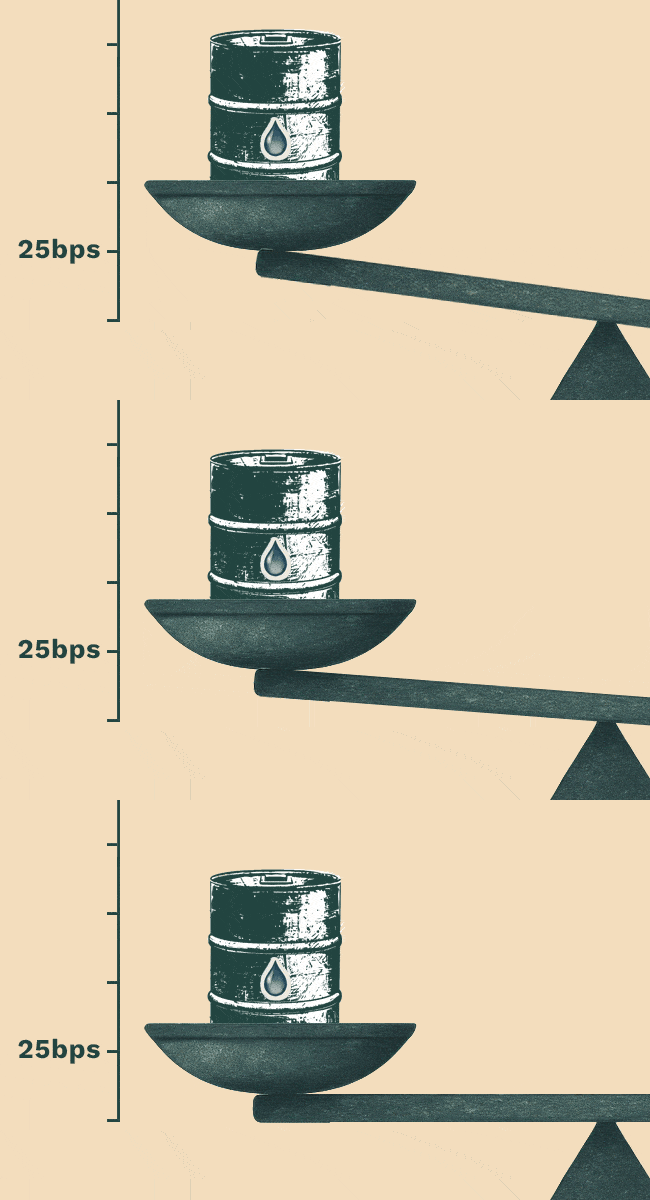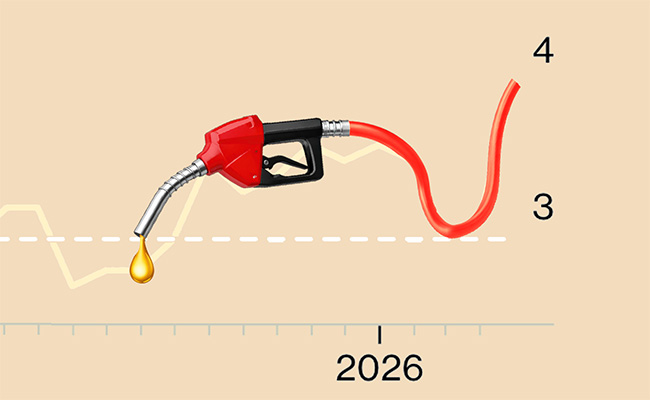

Inflation jumped to its highest level in 20 months in April, landing at the edge of the South African Reserve Bank (SARB) tolerance band as surging fuel costs from the Iran war put interest rate hikes back on the agenda.
Consumer prices accelerated to 4% from 3.1% in March, Stats SA said on Wednesday, matching the median estimate in a Bloomberg poll of economists and exceeding the 3.9% forecast in a Reuters survey. It was the highest reading since August 2024, and the first to reflect higher diesel and petrol costs after US and Israeli strikes on Tehran at the end of February pushed Brent crude from below $70 a barrel to more than $100.
The SARB, which targets inflation at 3% with a one-percentage-point tolerance band, meets on May 28. While the US has paused further military action against Iran to allow fragile negotiations to continue, a blockade of the Strait of Hormuz is draining oil stockpiles.
“The market is talking about hikes rather than interest rates remaining stable,” says Sanisha Packirisamy, group economist at Momentum. “That’s been on the back of the duration of the Iran conflict, and the persistence of oil prices baking in that geopolitical risk premium.”
Chris Hattingh, executive director at the Centre for Risk Analysis, goes further. “We think they’ll increase [rates] this time,” he tells Currency. “Last year and early this year, we were all pencilling in at least two rate cuts, so it’s jarring for those with mortgages. It’s not going to be the best time.”
The spectre of stagflation
SARB governor Lesetja Kganyago and his team still expect inflation to return to the 3% target from late 2027 as the oil shock feeds through. The Bank forecasts economic growth of 1.4% this year from 1.1% in 2025, rising to about 2% over the next few years. It also warned, in its latest Monetary Policy Review, that “the recent oil shock has raised the peril of stagflation”.
Morgan Stanley sees the longer-term picture more constructively. The US bank trimmed its forecast for South African GDP growth this year to 1.2% from 1.7% on the risk of layoffs and lower investment, Bloomberg reported on May 15, but pointed out that the country entered 2026 on the front foot, with signs of economic rebalancing, easing borrowing costs and a credible path to sovereign credit rating upgrades once oil prices stabilise.
Hattingh argues consumer demand may itself help bring inflation down. “Consumer demand and spending have been depressed this year compared to last year. Maybe that helps from a demand point of view, so the demand side of inflation could come down sooner than the Reserve Bank fears.”
Household consumption accounts for nearly two-thirds of South African economic activity. If it eases, prices ease with it. “It’s not great from a growth point of view, obviously, but from an inflation point of view it might help,” Hattingh says.
Fuel relief
Fuel did most of the work in lifting the April print. Petrol prices were up 15.2% year on year, and diesel 35.4%. Inland 93-octane petrol rose by 23.25c/l month on month – the fifth-largest increase for that grade in 50 years, and the largest this century. The passenger transport index climbed 3.1% between March and April, the steepest monthly rise since July 2022.
The National Treasury and the department of mineral and petroleum resources have extended a R3/l fuel-levy cut to June 2, with diesel relief lifted to R3.93 from May 6, zeroing out the diesel levy entirely. From early next month, relief will halve to R1.50/l for petrol and R1.96/l for diesel. From July, it disappears, and the general fuel levy reverts to R4.10/l for petrol and R3.93/l for diesel.
According to the Central Energy Fund this week, the under-recovery is running at about R2.34/l-R2.38/l for 93 and 95 petrol, and 31c/l for diesel.
‘Difficult to reverse’
There were some glimmers of relief elsewhere. Food and non-alcoholic beverage inflation eased for a third consecutive month, falling to 2.9% from 3.6%. Meat inflation, which has driven much of the food story in recent months, slowed to 9.4% from 11.6% in March.
“What we need to watch out for is public transport fares as they start to reflect higher oil prices,” Packirisamy says. “We will then start to see your lower-income deciles experiencing the impact of higher fuel prices. It’s a bit dangerous at that end of the market because public transport fares tend to be sticky on the way down.”
Passenger transport inflation stands at 3.9% year on year, but the April figure of 3.1% month on month suggests a sharper rise is coming. Airfares jumped 24.5% in April, following a 14.3% hike in March – the biggest monthly increase since March 2008. FlySafair, South Africa’s largest carrier, this month extended its fuel-related surcharges until March 2027 to cushion against rising Jet A1 prices at coastal airports.
“It’s going to be quite difficult to reverse downwards,” Packirisamy says.
ALSO READ:
- Fuel relief puts Godongwana (and Kganyago) in a bind
- Inflation looks contained. But just wait …
- Why South Africa is so vulnerable to the Iran war
Top image: Rawpixel; Stats SA; Currency.
Sign up to Currency’s weekly newsletters to receive your own bulletin of weekday news and weekend treats. Register here.