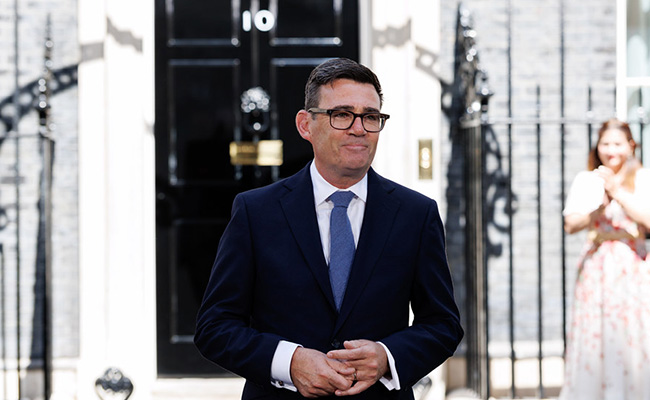

Andy Burnham became the UK’s seventh prime minister in 10 years on Sunday, going through the now well-worn rituals of becoming Britain’s leader.
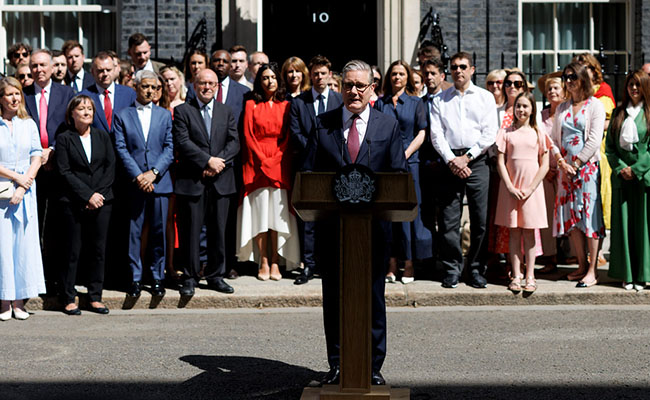
This time round, as Keir Starmer stepped up to the podium, there were none of the sombre, brave faces we saw when Theresa May left. Starmer staged a wall of supporters behind him at the podium, the same one that gets wheeled in and out of No. 10 by stony faced civil servants for every departure. The gallery nodded at every word he said, including his claim that he was leaving “with a smile” and “with good grace.”
What would Starmer’s legacy be?
Starmer had an answer ready for the question of what legacy he has left behind.
“In six and a half years, I took our party from a historic defeat in 2019, changed it so it was fit to face the country, and won a landslide general election victory in 2024,” Starmer told the cameras. That is the legacy he wants. Not that he could not hold on to his job.
So, what will Starmer’s legacy actually be? He did manage to wrest power from the Tories, but the rest of his claims – that the economy is strong, public services are on the up, children have been lifted out of poverty – I don’t know about that.
Then there was the claim that immigration is down significantly. That may be true by the official figures, but judging by the opinion polls and the rise of Nigel Farage’s Reform UK, which has built its entire platform on the issue, ordinary Brits may not be buying it.
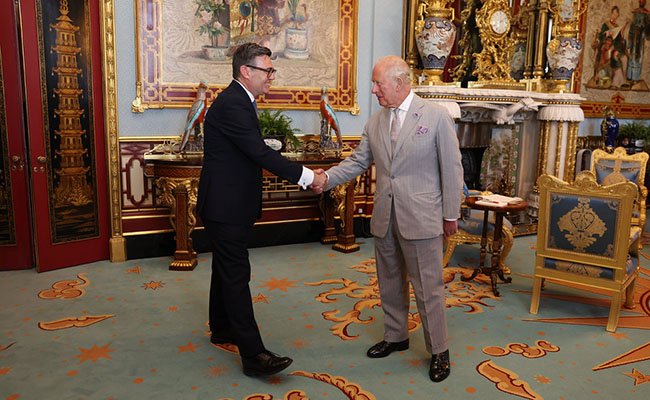
After the speech came the obligatory kiss for the wife, then the walk to the waiting car for the drive to Buckingham Palace to say goodbye to the monarch, King Charles III, captured only in a photo. Both men were smiling, the king presumably muttering something like, “Another one. Bunch of idiots. Can I get a cup of tea while I wait for the next one?”
I miss his father, the late Prince Philip, who at least brought some fun to these occasions, asking Tom Jones once if he gargled with pebbles. The rest of his quips were very un-PC, but Britain has been a duller place ever since.
So, it was, goodbye Keir, “see ya”, a quick changeover, and the newly elected Burnham driving to Buckingham Palace to meet the king.
“Elected” is doing some work in that sentence; Burnham was elected by his party, which decided it was time for a change, not by the country. Governments only go to the country early when they are sure the voters will say yes. Labour cannot be sure of that right now.
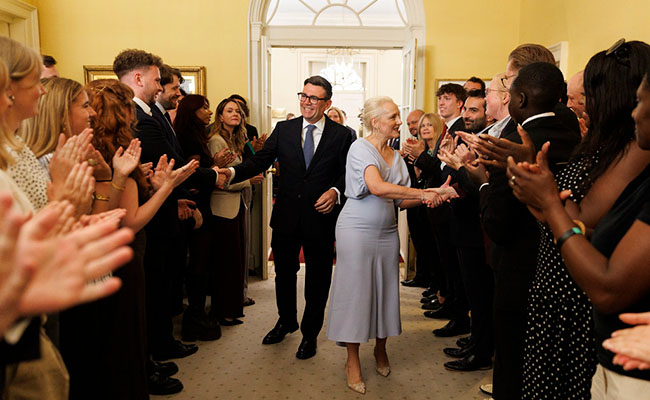
The charismatic Andy Burnham
Then it was Burnham’s turn to address the crowd from the podium that gets carried in and out of No. 10 as regularly as a revolving door. He broke with tradition and went straight to the microphone. No podium in sight; he was perhaps hoping that ditching the furniture might help him survive Britain’s increasingly grumpy electorate.
One thing is certain: the man has charisma. He’s friendly, his hugs look real, and he can talk – all the things a modern politician needs to survive a world of instant sound bites and social media. Whether that charisma travels beyond Manchester, where he was mayor, remains to be seen.
Prime Minister Burnham also has ambitious plans to build No. 10 North as the nerve centre of a “rewired Britain”, rebalancing a country that has spent centuries orbiting London. It’s a nice idea that conveniently overlooks the fact that the bulk of Britain’s tax revenue is generated in London and the South East, and redistributed to the rest of the country, while residents of the so-called stockbroker belt are still dodging potholes on their own streets.
He knows he has only a few years left in Labour’s current term to make a difference, and that voters who feel let down by his party won’t be easily won back. To prove he means business, his first pledge came minutes into the job: he would end rough sleeping. The government followed up with a press release promising £340m for 1,200 homes and “intensive support” for at least 3,000 people over five years.
The Trump factor
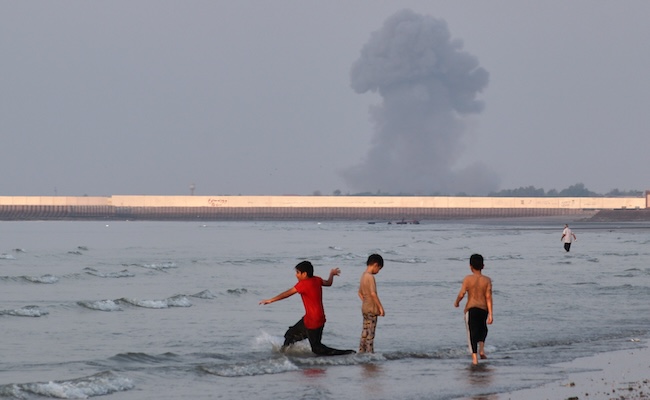
Starmer had a surprisingly close relationship with US President Donald Trump, but dug in his heels on one point: he refused to send warships to help keep the Strait of Hormuz open.
Trump has been fairly dismissive of Burnham, calling him “extremely liberal” and making clear he’s unconvinced a Burnham premiership would resume North Sea drilling or get tougher on immigration.
They may actually be closer on that first point than Trump thinks; the new PM is expected to announce a resumption of oil and gas drilling in the North Sea.
Burnham reportedly invited Trump to visit Manchester just hours into the job, according to the Manchester Evening News.
What the two men have in common, according to Politico, is that they both love social media, distrust the establishment, and claim to speak for voters who feel left behind. But Burnham is trying to pull that same energy in the opposite direction from Trump, turning it against populists like Farage, who is modelling himself on Trump-style nationalism. It’s an interesting position: borrowing the playbook to fight the team that wrote it.
In the past, though, he was openly critical of Trump and scathing about British politicians who held their tongues to appease the US president. So the current bonhomie may not survive first contact with reality.
Will he survive?
It’s the question I’ve been asked more than any other this week. Burnham may have ditched the revolving podium for a plain microphone. It is perhaps a signal that he’s not planning to become a victim of the revolving door, or revolving podium, at No. 10 Downing Street.
But he’s on notice from day one: from his own party, Labour, who let him be crowned unopposed, mostly out of fear of Reform UK, and from the electorate, who the The Guardian recently described as increasingly “fickle and vindictive”.
This story was first published on The Bigger Picture Substack.
ALSO READ:
- Britain’s Brexit hangover claims another PM
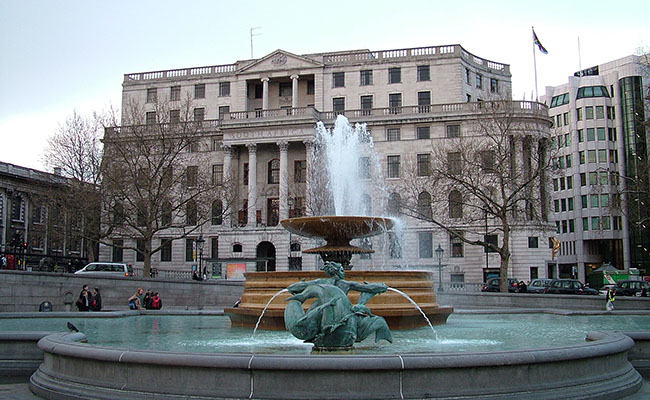
- South Africa House quietly closes for £3m renovation
- Reality is a joke: welcome to America’s age of absurdity
Top image: Prime Minister Andy Burnham arrives at 10 Downing Street on July 20. Picture: Lauren Hurley/No. 10 Downing Street; Creative Commons.
Sign up to Currency’s weekly newsletters to receive your own bulletin of weekday news and weekend treats. Register here.