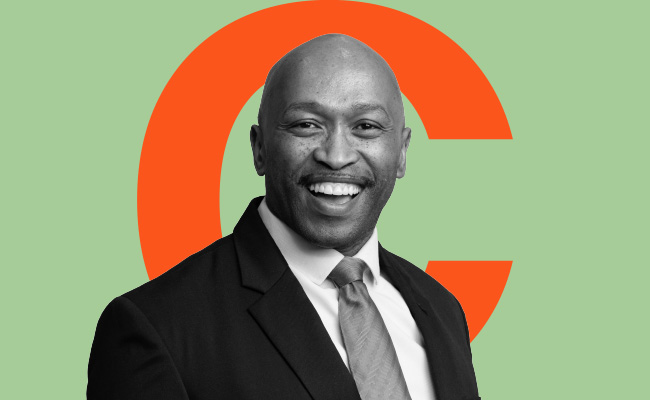

As CEO of Glacier by Sanlam, Khanyi Nzukuma focuses on wealth preservation and bespoke investment solutions. Having led some of South Africa’s top firms, Nzukuma credits his success to a core value: discipline. It’s a trait that governs both his leadership style and his personal finances. He traces this mindset back to a pivotal mistake – buying a stunning but unreliable BMW 325iS – which taught him to value long-term utility over brand prestige. Here, he shares his essential lessons for managing money.
If money could talk, what would it say about your spending habits?
It would say that I value discipline over impulse. I’m willing to spend on things that are reliable, long term and deliver real value, but I’m cautious about shortcuts or flashy purchases that don’t stand the test of time. My spending reflects a focus on sustainability and staying invested in outcomes that compound over the long run.
What’s the most significant financial lesson you’ve learnt from your own investment experiences?
Risk and time matter more than any effort to attempt to time the market. Some investors tend to chase high returns, which often leads to massive losses. My advice is don’t chase investment types that you don’t understand. Investing requires discipline and patience.
If there’s a stock you wish you would’ve invested in earlier, what would it be and why?
Capitec Bank. If I had invested R10,000 in 2002 when the bank listed on the JSE, that investment would be R21m today, not including dividends and reinvestments. This supports my earlier point that staying invested in the market is far more powerful than trying to time it.
What’s the most extravagant purchase you’ve ever made, and do you still think it was worth it?
When I was about 28 years old, I bought myself a BMW 325iS, which was about six years old and out of motor plan. It was one of the most beautiful sedan vehicles of its time and the most powerful in performance. A year later, the engine developed massive problems due to its age. Needless to say, it cost me a fortune to fix and was not worth it. I learnt right there and then, it’s not about the brand, it’s about reliability. Since then, I have opted for new cars with maintenance plans and change them before any mechanical issues arise.
What’s an unconventional asset class you’ve considered investing in?
Renewable energy projects, affordable housing funds and water rights. These projects are intricately linked to the key challenges that will face South Africa for a long time, and therefore demand for capital is likely to remain strong. That said, one needs to understand their liquidity requirements versus the liquidity of these instruments.
What advice would you give to young professionals about building wealth and managing their finances?
The biggest lesson is that one does not get rich by earning more, one gets rich by keeping more. I would suggest investing early, as early as your first paycheque. The guideline is normally 10%-20% of your net income. Use debt carefully: my view is to invest in debt that creates wealth, like property. Invest in skills first; learn about money management. Last, money habits are contagious – choose your circles and surround yourself with people who know more than you do.
What is your retirement plan?
I don’t think I will fully retire – I plan to semi-retire in my mid-60s. That means I will still be economically active but have more time than I do now to enjoy life. As a family, we enjoy travelling, within South Africa and abroad. The biggest challenge though is to ensure one has enough retirement capital to fund that lifestyle. One of the biggest challenges today is longevity risk. People live longer than previously and end up outliving their retirement capital. The idea is to have other income streams as long as you can and not rely solely on the retirement capital from employment.
What financial trend do you think is overrated, and why?
The idea that one can chase “passive income” as a short-cut to create “easy wealth”. An example that comes to mind is “residential buy-to-let property”. It is both capital and labour intensive and is not passive. Time is spent managing vacancies and non-paying tenants, while rising costs such as municipal charges and interest rates need to be factored in. Understand the pros and cons of any investment vehicle and how you will deal with it.
If you were not in your current role, what company would you work for in a heartbeat?
I would be an entrepreneur on a large scale. I grew up in an era where risk-taking was not encouraged. My parents were civil servants and believed in working for government or a large company, and staying until retirement. Today I realise if you want to pursue an entrepreneurial path, it’s best to do it earlier in your career – for example, in your mid-30s – once you have acquired some corporate experience.
If you could give your younger self one piece of financial advice, what would it be – and would you actually listen?
Start earlier than you think you should. Be patient when you feel progress is slow, and don’t let emotions, fear or excitement drive your decision-making.
How can South Africa achieve widespread financial literacy and inclusion?
Financial literacy and inclusion need alignment between government, business and communities. Looking at my own upbringing, there are a few points I consider to be critical, including that the literacy gap needs to be closed. There must be financial education in the school curriculum. Community education through stokvels can also be accelerated. Corporates must also encourage financial education in their institutions.
Digital inclusion and fintech also have a key role to play. These innovations lower barriers to entry so that more people can be banked. The regulator must keep focusing on regulation that aids inclusion, like the national digital payment system, which the South African Reserve Bank is investigating. This is part of the payments ecosystem modernisation plan. We have already seen some of these innovations, like PayShap, being implemented by numerous banks.
ALSO READ:
- How I spend my currency … with Fatima Vawda
- How I spend my currency … with David Shapiro
- How I spend my currency … with Zwelakhe Mnguni
Top image: supplied.
Sign up to Currency’s weekly newsletters to receive your own bulletin of weekday news and weekend treats. Register here.