
Almost snake-like, Sekunjalo looks set to shed its worn-out old media profile and launch into a vibrant new one.
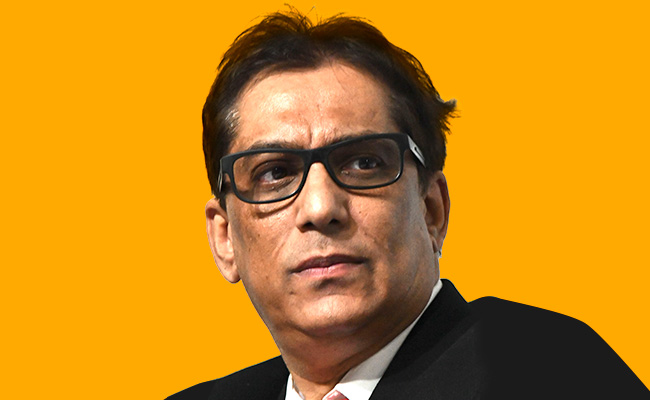
The newly-appointed Sekunjalo CEO, Lucien Jacobs (Iqbal Survé seemingly handed over the position earlier this year), is apparently fed-up. He’s having to constantly fund Independent Newspapers without help from co-shareholders the Public Investment Corporation (PIC, with 25%) or the China-Africa Development Fund and China International Television Corporation (20%), and wants to move on. And so he’s opted for a major “pivot” to digital. With just a touch of print.
Mind you, whatever is said about Sekunjalo’s Chinese partners in the old media business, it’s a bit rich of it to criticise the PIC for not helping to fund the ongoing operation of Independent Newspapers.
Where does Jacobs think Sekunjalo, whose only known shareholder is Survé, got its funds in the past to help prop up the loss-making media business? The bulk of it surely came from the PIC? Or does Sekunjalo actually own other businesses that are pumping out enough profits to pay for the shift? If so, it would be great to see the evidence.
The most recent information available to the public was via African Equity Empowerment Investments and Ayo when they were listed. Before Ayo was delisted, it was possible to see the hugely generous dividends it paid out, primarily to Sekunjalo. These dividends were paid from the R4.3bn cash haul Ayo received at the time of its December 2017 listing – all of it from the PIC.
So, it’s difficult not to assume the PIC has actually been a large source of funding for Independent Newspapers over the past few years.
No more PIC money
Sekunjalo itself, as per a recent statement, said it has poured at least R2bn into Independent Newspapers since 2013. Inevitably, however, Sekunjalo’s money is running out. And if Independent Newspapers needs more money it will have to persuade its other shareholders to cough up.
Unsurprisingly, the PIC has no intention of putting more money into Independent Newspapers.
In response to a query from Currency, PIC spokesperson Sekgoela Sekgoela confirms it holds 25% shares in Independent News Media (Pty) Ltd and “has no plans to invest further into the company”. The company is in default, and the PIC is currently engaged in litigation with it and its related entities, says Sekgoela, explaining why the PIC wouldn’t be providing any further comment.
In 2013 the PIC invested R888m in the consortium that bought Independent Media from its Irish owners. It has received no return on that investment, which is thought to be worth almost nothing.
The Chinese investors put in R400m for their 20% stake back in 2013. They did not respond to a request for clarity on the situation.
Given that it now appears Sekunjalo owns the mastheads, there’s no prospect the minority shareholders will pick up anything if those titles are licensed to third parties.
Licensing to third parties is just one of the options laid out by Jacobs, who is evidently enthusiastic about plans to rid Sekunjalo of old-fashioned loss-making media assets.
Still, Sekunjalo is taking with it anything that might have some value, such as the mastheads and the successful, and growing, IOL (Independent Online) – which, as it turns out, has actually got nothing to do with Independent Media.
“IOL has operated as an independent, standalone digital publisher since 2014 with its own ownership structure, editorial leadership, and executive team – separate from Independent Media,” announced IOL in early June. “The two organisations share a name in the public consciousness but have for more than a decade been different companies with different mandates, different leadership and different futures.”
A R200m investment
Now the plan is for Sekunjalo to abandon Independent Media and head off on a bright new national expansion strategy. Leaving behind what, well, it’s hard to say. Maybe some printing presses, desks and a few messy legal battles. Also, scores of employees, including journalists.
While Sekunjalo has made it clear it feels no obligation to employ them, it does talk about plans to recruit at least 200 journalists, multimedia content producers, designers and digital experts “over the coming weeks”.
Meanwhile, IOL has already magicked up a R200m investment from unnamed investors. It has also engaged with potential investors from Europe and the US who’ve expressed interest in participating in future media ventures “subject to the development of sustainable business plans and growth strategies”, says Jacobs.
According to a statement by IOL CEO Viasen Soobramoney, there are three pillars to the new project: IOL’s digital platform and AI-driven publishing technology; a major expansion and development of its editorial team; and the launch of The National, a new publication targeting “engaged readers across South Africa”.
As we’ve come to expect from Sekunjalo over the years, there’s no shortage of loud ambition. “Our goal is clear: to be the biggest, most impactful digital publisher in this country within the next three years,” says Soobramoney.
As for Jacobs, his ambition is “to build a world-class publication comparable to leading international titles such as the New York Times, the Washington Post and The Guardian”.
That would certainly be a welcome development. But let’s see.
ALSO READ:
- Iqbal Survé’s 13-year, R458m reckoning
- Google’s R500m news payout: fair or extortion?
- Is it curtains for South Africa’s film industry?
Top image collage: Rawpixel; Currency.
Sign up to Currency’s weekly newsletters to receive your own bulletin of weekday news and weekend treats. Register here.