


There has never been a single day in recorded human history when it would not have been easy to find a good reason not to invest today.
Wars, elections, recessions, valuations, pandemics, bubbles, interest rates, geopolitics – there is always something that makes “now” feel imprudent. And yet, over standard investment horizons, almost all of these reasons turn out to have been inconsequential. That does not make them feel inconsequential at the time; it simply means that the emotional weight we attach to them rarely matches their long-term significance.
The largest, most reliable behavioural cost for most investors is not the mistakes they make when investing, but leaving their wealth sitting on the sidelines, year after year after year.
The sin of omission
We worry about making mistakes – buying at the top, picking the wrong fund, choosing the wrong moment – but doing nothing is usually much more expensive.
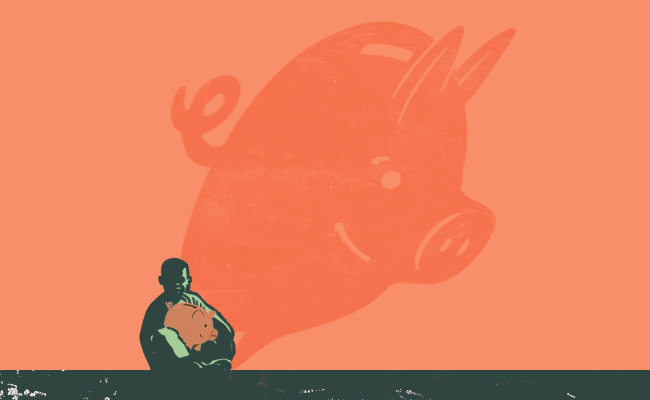
Moving money from somewhere that feels safe (your bank account … or mattress) to somewhere that feels risky is uncomfortable – so we dither and make excuses. But this emotional security blanket is expensive.
Diversified, moderate-risk portfolios have historically delivered returns substantially above those of your savings account, and while the precise percentage matters less than the direction of travel, the difference is not subtle. Leave money idle, and the cost accumulates – not always visible on a statement, but steadily whittling away at the life that could have been funded.
The discomfort of investing is immediate and visceral, while the cost of not investing is hidden. Because every decision we make is made in the present, inaction frequently wins. It buys us short-term comfort, but at the expense of long-term returns.
The capacity paradox
There is another irony that rarely gets enough attention. When you are young, with stable income and modest financial assets, your risk capacity is often highest because most of your wealth resides in your future earnings power (your “human capital”); a market downturn, while unpleasant, barely dents your lifetime resources.
And yet few people start investing early.
Small balances feel fragile, losses feel personal, and so they wait – they read, refine, plan and hesitate. By the time balances are large and investing feels more normal, you have diminished future earnings to cushion losses, and the early compounding that would have made later years easier has already been diluted.
My own most expensive mistake was not a dramatic trade but a delay: I began years after I first started working, sitting on the sidelines when my capacity to take risks was highest. The sums at stake were trivial. The time lost was not. Take risks now while the consequences are small; even if you lose in the short term, the experience gained will serve you for life.
‘I’ll invest when …’
Many investors justify waiting for those magical moments to invest: I will invest when markets are calmer, when I know who has won the upcoming elections (or World Cup, or school raffle), when the outlook improves, when I understand everything properly.
Those moments rarely arrive. If you wait for clarity, you will wait indefinitely.
Those new to investing often fret that the stock market is a casino – and in a sense, they’re right. In the short term, outcomes are completely unpredictable, but in the long term, the house wins – and with investing, you are the house.
Participation does not require omniscience; it requires accepting that uncertainty is a permanent state and that imperfect investing is almost always superior to perfect procrastination. With a well-diversified portfolio, your timing would have to be catastrophically wrong for you not to be grateful in 10 years that you didn’t sit in cash. Yet, there is no day when investing feels entirely safe, only days when you choose to begin.
The biggest obstacle to starting is often the search for the perfect version of something that only ever needed to be good enough.
Nothing in life is as important …
Daniel Kahneman once wrote: “Nothing in life is as important as you think it is while you are thinking about it.”
When you are immersed in alarming headlines, they feel decisive; when markets are high, entry feels reckless; when markets are falling, entry feels dangerous. Loss aversion magnifies these fears, so we imagine the regret of investing just before a downturn and cling to cash.
But investing is not about how things feel today; it is about how they compound over decades – and over sufficiently long holding periods, diversified portfolios have overwhelmingly produced positive outcomes.
The uncomfortable solution
It will never feel entirely safe to begin. There will always be (over)confident doom-mongers predicting trouble.
Over long horizons, the odds favour participation, and short-term volatility is the admission fee.
Start before you feel ready, because perfect timing is unnecessary and participation is not an option.
This article is part of an ongoing Currency News series on how behavioural finance can help investors make better decisions.
If you’d like the full framework behind these ideas, including tools to align investing strategies with your financial personality, Greg B Davies’ CPD-accredited course, The Art of Behavioural Investing, created with 42Courses and Oxford Risk, walks through the approach step by step.
ALSO READ:
- Beyond the ‘big five’: Where disposition meets conditioning
- The four rules of investing (and why simple is so hard)
- How to start saving on any salary
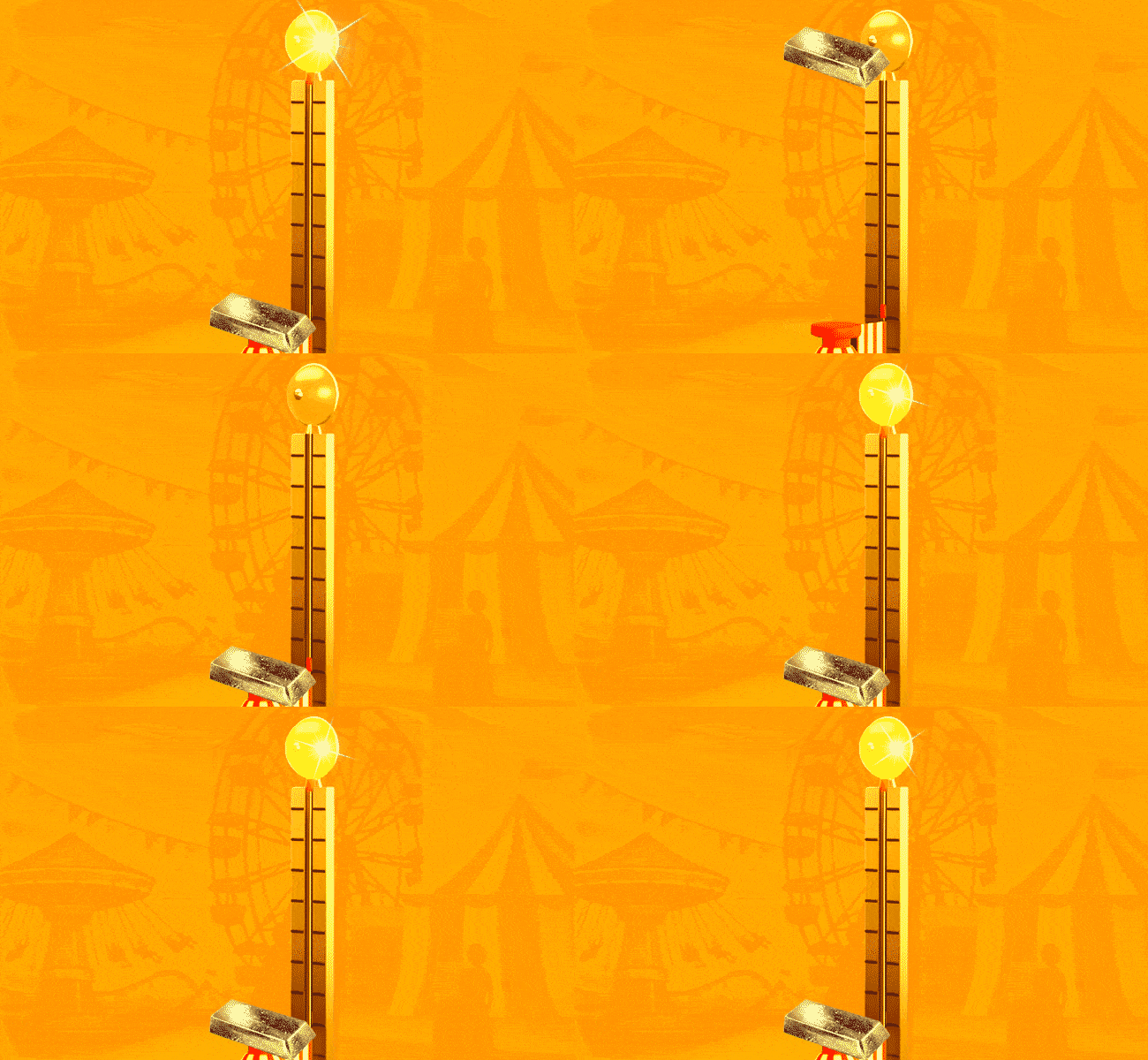
Top image: Rawpixel/Currency collage.
Sign up to Currency’s weekly newsletters to receive your own bulletin of weekday news and weekend treats. Register here.






Good stuff.