
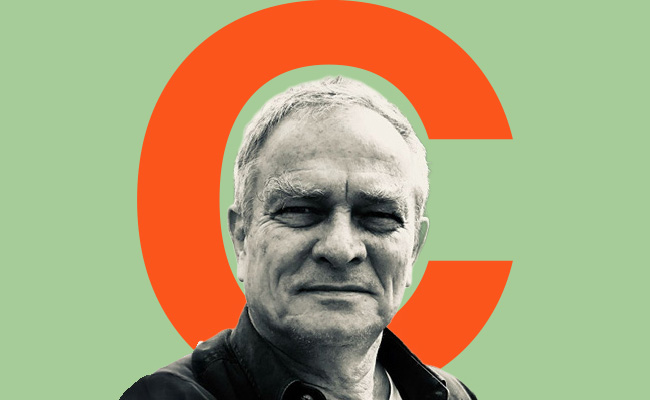

Mark Barnes is one of South Africa’s most recognisable and respected business minds. Best known as the co-founder of Purple Group – the parent company behind the widely successful investment platform EasyEquities – his career spans a lifetime of leadership at the helm of the country’s top listed financial institutions.
Never one to shy away from a challenge, he famously stepped into the public sector in 2016 to lead a high-stakes turnaround strategy at the struggling South African Post Office. Today, he remains a sharp and vocal advocate for using public-private partnerships to rescue failing state-owned enterprises – a stance you’ll regularly see him championing in his thought leadership pieces and on X. He is also one half of Listen Up, one of our weekly flagship podcasts here at Currency.
We wanted to pull back the corporate curtain and find out what actually drives his personal financial philosophy. True to form, he strips away the jargon and sums up his view on wealth in just two powerful sentences: “The value of money is found in its absence, not its abundance,” and “Money is just a medium of exchange.”
If money could talk, what would it say about your spending habits?
Like most ordinary people I’ve often wanted things I couldn’t really afford. I had earnings capacity, but no capital, so I borrowed – didn’t we all? So many people spend most of their adult lives managing their liabilities instead of being prudent savers, managing their assets. One of the drivers behind the creation of EasyEquities was to democratise investing for everyone, serving up the solution in bite-sized chunks – I wish it was around when I was a youngster!
What is the most significant financial lesson you’ve learnt from your own investment experiences?
Understand what you’re investing in – don’t take any tips, and don’t join the party long after it started. If you invest in fundamental trends that you believe in and take the time to understand what the particular company’s economic model advantage is, it’s only a matter of time – you’ll do well.
If there’s a stock you wish you’d invested in earlier, what would it be?
There’s little point in looking back at what you may have missed out on with the benefit of hindsight – it’ll bring you no peace. I don’t consider myself a great stock-picker (I don’t do the work required!) and I’d rather risk my capital in something I’m personally involved in for capital growth, and put the rest into relatively lower-risk, liquid, higher-yield assets – government bonds will always have a place in my portfolio, as will property that I live in … don’t forget to enjoy living!
What is the most extravagant purchase you’ve ever made, and do you still think it was worth it?
I invest in art – sculptures and paintings. It’s definitely worth it – art is great company, and if you get a little bit of expert advice, it usually also proves to be valuable. I also have way more watches than I’ll ever need – I love them and change my watch at least once a day!
What is an unconventional asset class you’ve considered investing in?
There are two. Old-age assets serving the retirement market, the fastest-growing population in the world; and cleverer funding into the informal market where, frankly, our future redemption will be found.
What advice would you give to young professionals about building wealth and managing their finances?
Focus mostly on building your own earnings capacity and don’t borrow [for] an extravagant life – then build on some good habits. A small fraction of your disposable income, set aside every month, left to grow for your entire working life, will ensure you a happy, comfortable retirement.
What is your retirement plan?
I don’t think I’ll ever retire. Most of us are going to live longer than we want to, so keep busy – just move away from things you have to do, to things you want to do (you’ll also find that you’re better at those).
What financial trend do you think is overrated, and why?
I wish I knew!
If you could give your younger self one piece of financial advice, what would it be and would you actually listen?
Deferred gratification is the secret to long-term wealth creation. No, I would not listen.
How can South Africa achieve widespread financial literacy and inclusion?
Simple, really – lower the barriers to entry for capital to invest in emerging businesses. Make regulatory compliance robust, but simple. Eliminate micro-lending – which is at rates that more often destroys businesses (and people) than builds them – by rerouting savings into the informal economy, perhaps even with government as an (honest) partner.
Happy investing, and don’t ruin the whole purpose of making money by being mean or stingy – the most rewarding investment you can make, the biggest returns, will come from generosity.
ALSO READ:
- How I spend my currency … with Bright Khumalo
- PODCAST: How do you start investing in art?
- Unretirement: why life doesn’t stop at 65
Top image: supplied.
Sign up to Currency’s weekly newsletters to receive your own bulletin of weekday news and weekend treats. Register here.






An exciting different succinct insights into a most interesting mind tx