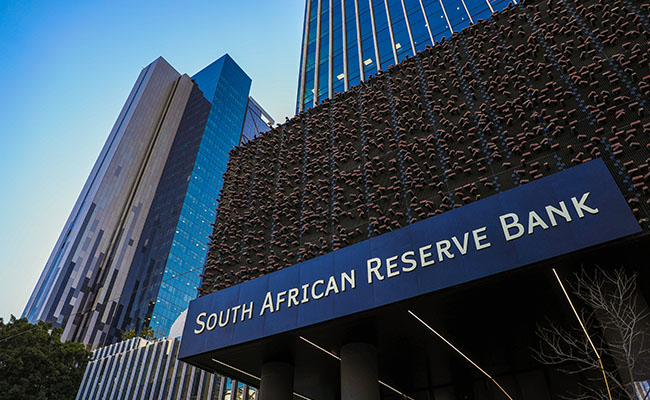

Consumer inflation surged to a two-year high in June, beating economists’ estimates and putting a rate hike firmly on the cards when the South African Reserve Bank (SARB) monetary policy committee (MPC) meets on Thursday.
Headline inflation soared to 5% in June, from 4.5% in May – way above the central bank’s 3% target, which has a tolerance band of one percentage point. Analysts polled by Bloomberg had forecast 4.7%. Core inflation, which strips out volatile food and fuel prices, accelerated to 4.1% from 3.8%, indicating that pricing pressures are becoming widespread.
“We view it as a period of persistent but moderating inflationary pressure,” says Thandeka Nyathi, senior macroeconomist at S&P Global Market Intelligence. “It is not the beginning of an uncontrollable trend, but underlying drivers are sticky enough that we won’t see a rapid return to the lower end of the inflation target band of 3%.”
That combination – upside surprises in the headline and core numbers, rising services inflation and stickier medium-term drivers – has tilted the debate around this week’s MPC decision. According to data compiled by Bloomberg, interest-rate markets are almost fully priced for a move, even as a minority of economists argue that the SARB can afford to pause and rely on a more hawkish statement.
Nyathi warns that policymakers should be particularly concerned about food-related second-round effects, given a looming El Niño-type weather risk and rising fertiliser prices, even though food prices have helped to contain inflation so far.
Nedbank’s economics team says the June outcome was “higher than expected” and reiterates its call for a 25-basis-point hike, citing upside risks to the inflation outlook, elevated expectations and the potential for second-round effects.
Yet some argue that the MPC should hold fire for now. PSG Financial Services chief economist Johann Els says there is “very little, in fact almost no” evidence of second-round effects in the latest data beyond fuel-related categories. “This data might just influence the hawkishness in the statement: so talk tough, but don’t do it yet,” he says, adding that the current episode still looks more like an interruption than a structural change in the inflation trend.
Oil shock, fuel and transport
Transport inflation posted the largest increase in June, accelerating to 12.7% year on year from 9.4% as fuel inflation jumped to 34.3% from 28.7%. Nedbank attributes this to higher global oil prices following renewed disruptions to shipping through the Strait of Hormuz, as well as the phased reinstatement of the domestic fuel levy.
Brent has moved from $58-$70 a barrel in the second half of 2025 to above $91 a barrel, driven by the US-Iran conflict, repeated strikes near the Strait of Hormuz, and now direct threats to Saudi shipping from the Houthis, says Chris Hattingh, executive director at the Centre for Risk Analysis.
Because South Africa’s basic fuel price mechanism works with a lag of several weeks, “the full effect of the past month’s escalation has not yet reached the pump, let alone worked its way through transport and logistics into the rest of the basket”, he adds.
Hattingh warns of a sharp increase in the August fuel price adjustment if Brent remains at current levels. “This means the inflationary pass-through from this conflict is still ahead of us, not behind us,” he says – a risk that strengthens the case for a pre-emptive stance from the MPC.
Beyond fuel, housing and utilities, inflation edged up to 5.5% in June from 5.3%, driven by electricity tariffs and other administered prices. Electricity and other fuels rose 9.9% year on year, while water and other services remained elevated at 6.9%. Goods inflation increased from 4.4% to 4.8%. Non-durable goods, such as fuel and household consumables, rose 6.7%. Services inflation increased from 4.7% year on year in May to 5.2% in June.
FNB economist Amé Muller, who also forecasts a quarter-point increase, flagged recent inflation expectations data from the Bureau for Economic Research (BER) that shows shocks “beginning to influence medium- to longer-term inflation perceptions”. The BER’s second-quarter survey, released earlier this month, showed that two-year-ahead expectations, the measure the SARB watches most closely, ticked up to 3.9% from 3.6% the prior three months. Expectations across analysts, business and trade unions for 2026 rose from 3.6% to 4.4% in the same period.
The risk is now that the surge in oil prices becomes a persistent one as wage negotiators and price-setters “start building a higher number into their planning before the shock itself has fully passed through”, Hattingh says. “It has not yet shown up as a wage-price spiral, but the expectations data shows the anchor is drifting, and that is the SARB’s central worry going into Thursday.”
The bigger question, though, is what happens beyond this week. If Brent remains above $90 and the rand stays under pressure into the fourth quarter, “a second hike this year moves from a tail risk to a live possibility, and that would push out any return to an easing cycle well into 2027”, he says.
ALSO READ:
- Inflation expectations put SARB’s next rate call on edge
- Why the SARB pulled the trigger on the 3% ‘target’
- The hidden warning in the GDP data: consumers are buckling
Top image: supplied.
Sign up to Currency’s weekly newsletters to receive your own bulletin of weekday news and weekend treats. Register here.