
The life of a Platter Guide taster might seem glamorous, but for two months or more the reality is that the team trips over scores of bottles and cases of wine being assessed. The consequence of high-volume tasting is that each bottle has just one sample removed, and the rest of it is set aside to make room for the next flight. Neighbours, friends and even random strangers benefit gratefully from samples that are freely given away.
One recent Saturday friends came over to watch a Springbok rugby game, and I airily waved a hand at about 24 bottles and said: “Help yourselves.” They’re not massive wine drinkers, but it was interesting to enjoy a “fly on the wall” moment and watch what they chose and how they reacted.
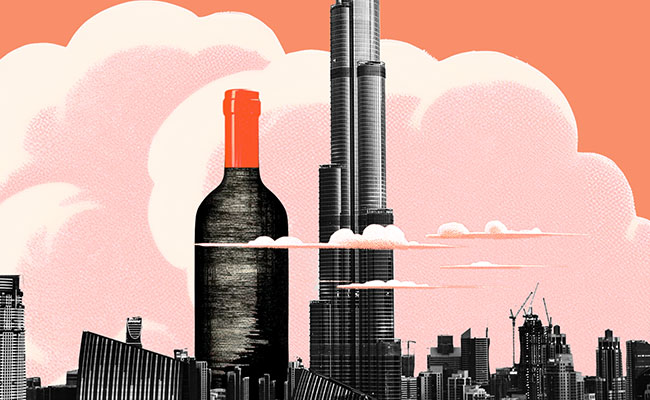
Reflecting later, it made me think about a documentary I’d seen about the construction of the Burj Khalifa in Dubai. It’s a stunning building: dramatic, spectacular and instantly recognisable – but I had no idea just how amazing the engineering behind it was.
Engineers had to overcome major structural challenges in erecting the 828m-tall building, such as preventing dangerous vibrations and oscillations from wind. Aerodynamics had to be considered, as did special glazing to keep the interior cool in the region’s blazing sunshine.
Crucial to the whole project was stability, so special piles – 192 of them – were driven into the ground, topped off by a nearly 4m-thick concrete pad to support the 500,000t weight of the building. The concrete itself had ice added to it so it wouldn’t crack while curing in the desert heat. Just getting the concrete pumped vertically to 600m in height presented a record-breaking challenge.
So, what’s the link to wine? My nephew Kevin chose a random syrah because it was the first row of bottles and wasn’t white. “Jeepers! This just smells expensive,” he said after one sniff. My best poker-face response was to ask him to taste it and tell me what he thought. “Ooh, that’s really nice. It feels warm and deep. What’s the word I’m looking for? Oh ja, velvety!”
But the observations went further. There was a lot going on; it was complex. It wasn’t sharp; it was like a hug – friendly but with a bit of reserve. Like someone you’ve recently met and don’t really know, but there’s something there that has the potential to grow into a good friendship. “Dark fruit and spice.”
Someone else heard the chat and demanded a sip from his glass. “Oh my, that’s amazing! It’s so rich.” Then I told them how much it cost … Cue shock and horror! “What? 1,700 bucks! I have expensive taste …” But he conceded that the wine was worth it. Not that he’d pay that, but he could appreciate it was above average, elegant, classic and definitely rewarding.
Did Kevin need to know that this was from a single vineyard site? Or that the vineyard was hand-harvested, that a portion of the crop was kept as whole bunches while the rest were stripped of their stems and fermented as whole berries? How much would it influence his appreciation of that glass to know that it was matured for 20 months in French oak, about a third new? Or that the winemaker then tasted all the barrels and made a selection of the best – in his opinion – and blended them so the final wine was made up of 40% of the whole bunch portion and 37% of the whole berry, and the remainder was “submerged cap” fermented?
All that information will mean something to wine geeks and hardcore enthusiasts, but my nephew doesn’t have the key to unlock the code of all that’s conveyed about just how complex the wine’s construction was. To him it simply tasted delicious.
So, like the highly engineered Burj Khalifa, there’s a whole heap of stuff going on in wine – things the average punter won’t know or care about, though they can instinctively recognise quality when they taste it.
Disclaimer: The identity of the wine in question must remain confidential until the publication of the 2027 Platter Guide at the end of the year.
Top image collage: Rawpixel; Currency.
Sign up to Currency’s weekly newsletters to receive your own bulletin of weekday news and weekend treats. Register here.