
South Africa’s township economies move billions in cash every day, yet remain invisible to the formal system. Fintechs, regulators and tax experts are betting on QR codes and mobile payments to change that – but without trust, literacy and reinvestment, digitalisation risks deepening divides.
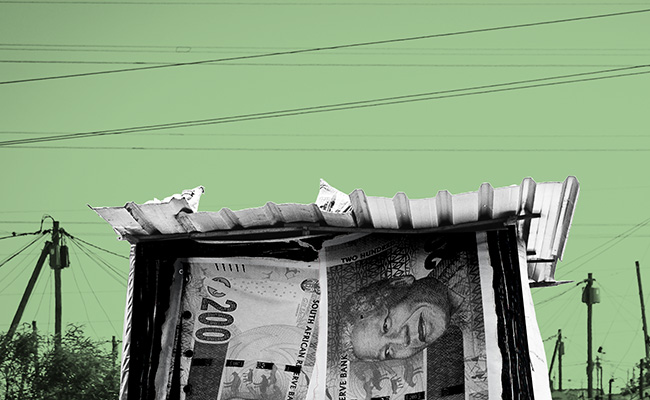
Townships are buzzing marketplaces of survival and ingenuity: at spaza shops, car washes, churches and funeral parlours, cash is king and every rand circulates through tightly woven social networks.
Into this ecosystem step fintech platforms like AltarPOS, promising safer trade and new income streams through QR codes and mobile payments. As Lebohang Mashiloane, who runs the Young Fundis Homework Club in Heidelberg, Gauteng, puts it: “Digital payments are fast becoming the standard in our townships; almost all shops swipe.”
The question is whether this shift delivers real inclusion or exposes traders to new risks.
Digitalisation is not just a technological shift. Mamokete Modiba, a senior researcher at the Gauteng City-Region Observatory, says: “The question is not whether township economies should digitalise, but under what conditions it supports rather than marginalises existing livelihoods.” The observatory collects data and publishes applied research.
Promise and peril
AltarPOS was born from a simple observation: customers increasingly carry less cash, and informal traders lose sales when they can’t accept digital payments. CEO Thulani Ngwenya (no relation to the writer) says a significant share of daily economic activity happens outside formal retail environments, accommodating people who are underserved by digital infrastructure. He describes township and informal economies not as marginal side markets but as active, relationship-driven ones.
The platform enables QR-based payments and lets service workers, car guards, cleaners and performers receive digital tips. Churches can use QR codes on posters and social media to expand fundraising, while funeral parlours can offer families digital donation pages.
Central to AltarPOS’s model are local “business partners” who support traders. Ngwenya says technology adoption in community markets depends less on software quality than on who introduces it and whether users trust the person supporting them. Facilitators sit with traders, help with registration and walk them through their first transactions – a social-impact strategy as much as a sales channel.
Modiba’s research highlights both promise and peril.
Digital payments can reduce theft, improve efficiency and create transaction records that help informal businesses access credit. But benefits are unevenly distributed, as digital literacy levels, smartphone access and capacity to pay differ among traders.
Modiba says informal traders should be treated as active partners rather than passive users, given that their knowledge of local trading practices is critical in designing systems that work for them.
National Treasury steps in
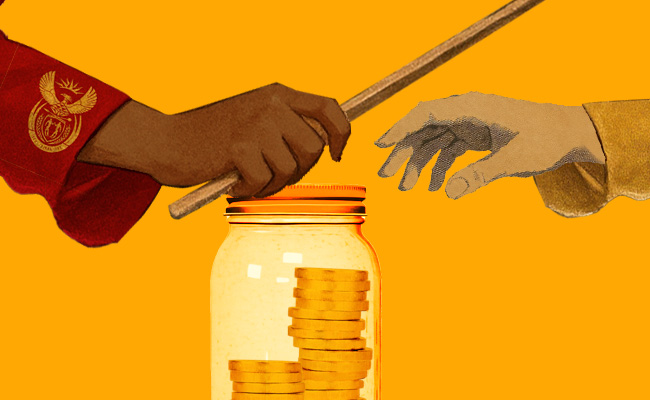
Digitalisation raises governance concerns: greater visibility could support inclusion but risks exposing traders to taxation or surveillance if oversight remains punitive.
The Reserve Bank is building its payments ecosystem modernisation programme aimed at an interoperable payment system that’s fast, safe, accessible and affordable.
A cornerstone is the planned national payments utility (PayInc), shared infrastructure meant to lower barriers for banks, fintechs and providers reaching township traders. The Bank has also pushed interoperable QR standards to address fragmentation, since traders often juggle multiple proprietary codes.
The National Treasury frames digitalisation as part of a broader inclusion agenda, noting township businesses operate largely in cash. On tax fears, Treasury emphasises that digital payments themselves don’t create new tax obligations – those are determined by law and administered by the South African Revenue Service. To ease concerns, the VAT registration threshold was recently raised to R2m in annual turnover.
Still, Sumarie Swanepoel, a tax lecturer at the University of Pretoria, says turnover tax and small business incentives “remain too far removed from the daily operational realities of survivalist township traders”. Administrative hurdles persist – turnover tax returns, for instance, can’t be filed via standard eFiling. Swanepoel warns against “taxing ubuntu”.
Mashiloane has seen the shift at her homework club: younger parents pay via EFT, elderly guardians prefer cash. QR codes never caught on with her clients. Record-keeping remains her biggest challenge, though she says digital platforms are safer than cash and easier to track – even as she works to formalise her nonprofit status to ease tax worries.
Digitalisation is inevitable. But as Modiba insists, the real question is under what conditions it happens. Get trust, literacy and reinvestment right, and township economies could gain safer trade, new income and access to credit. Get it wrong, and digitalisation may deepen the divides it promises to close.
ALSO READ:
- Goodbye JSE, hello Soweto Stock Exchange?
- Why Fourie may be right on South African unemployment
- Why the SARB is losing patience with South Africa’s banks
Top image collage: Pexels/Magda Ehlers; Pexels/Cardoso Lopes; Rawpixel; Currency.
Sign up to Currency’s weekly newsletters to receive your own bulletin of weekday news and weekend treats. Register here.