
The challenges facing eThekwini and KwaZulu-Natal remain immense. Years of mismanagement and allegations of corruption are not easily reversed. The Covid pandemic, the July 2021 unrest and devastating floods also didn’t help matters.
As a regular visitor, I’ve witnessed the decay, the closure of businesses and the exodus of local creative talent in search of more reliable infrastructure, stronger commercial markets and greater institutional support.
While the government of provincial unity has implemented systemic reform measures with some notable success, and roads agency Sanral is making excellent headway with the upgrades to essential transport corridors, many residents remain frustrated by unreliable municipal service delivery. Meaningful recovery will require patience, effective leadership and political stability in a province historically characterised by disruption.
Spending extended time in the province recently, I found myself noticing subtle signals of renewal. The story of a new chapter unfolding in KZN is perhaps most visible in the people who continue to create, collaborate and invest in cultural life.
A barometer of growth
Given that the future for most global citizens will be in urban centres, one of the strongest indicators of a city’s future prosperity is often overlooked: the health of its creative ecosystem. Creative industries are often dismissed as peripheral to economic development, yet when these ecosystems are thriving, they are among the strongest indicators of a confident and innovative city. They attract visitors, support entrepreneurship, retain talent, animate public space and strengthen a region’s identity. Just as importantly, they create the conditions in which collaboration, experimentation and new ideas can flourish. These are the qualities that underpin resilient local economies.
If infrastructure determines how efficiently an economy functions, culture determines how imaginatively it evolves. In other words, creative ecosystems do more than generate economic activity: they cultivate the human capabilities from which future economies emerge. Innovation is ultimately a human endeavour. Before we can make products, technologies or businesses, we need to first imagine new possibilities.
Artists and creatives contribute something that science and technology alone cannot provide. They work directly with imagination, emotion, meaning-making and human relationships – the very capacities societies draw upon when navigating periods of profound change. With the accelerating influence of AI and increased automation of economies, the capabilities that distinguish thriving regions are becoming more human. Creativity, collaboration, imagination, critical thinking and cultural confidence are strategic assets.
“Being connected to culture is our mirror, barometer and generator,” says Angela Shaw, until recently the longstanding director of the KwaZulu-Natal Society of Arts. Few people have done more to strengthen KZN’s visual arts ecosystem.
Cultural clout
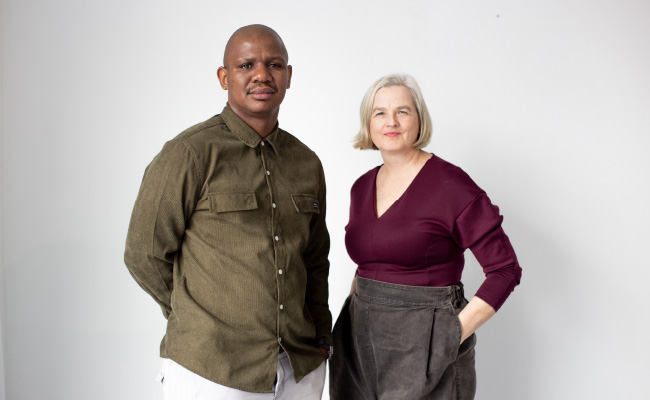
Shaw and former Durbanite Lungelo Mkhize – founder of fine-art logistics company Section 9 – are the co-founders of the KZN Art Fair (KZNAF). The fair is intended as a platform of connection and commerce to encourage artists to remain in the province while networking galleries, collectors and emerging practitioners. The fair builds upon an existing ecosystem of “thriving practitioners, collectives, a dynamic incubator gallery and eager collectors”, says Shaw. “The KZNAF is the organic result of abundant content and a clear demand for creative industry growth in KZN.”
Among the participating galleries that answered the call is the ART-ISTS Collective, located in a growing creative precinct along Mahatma Gandhi Drive at Durban Point. This artist-led initiative established last year offers more inclusive exhibition opportunities and programmes that encourage dialogue between artists, curators and the public.
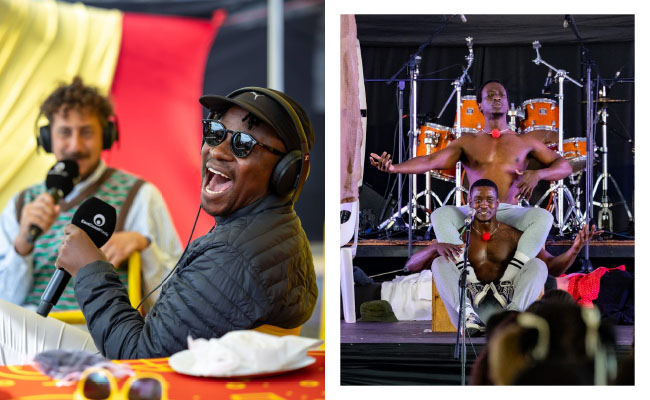
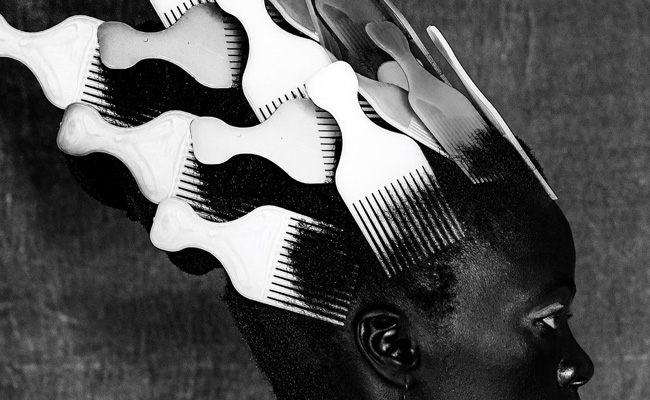
KZN has massive cultural clout, producing internationally renowned visual artists like activist Zanele Muholi and WonderBuhle, and Grammy Award-winning musicians Ladysmith Black Mambazo, DJ Black Coffee and Zakes Bantwini, whose influence extends far beyond provincial borders.
While King Shaka and the living cultural customs and crafts of the Zulu nation are celebrated around the world, KZN’s cultural ecosystem is perpetually evolving. The traditional Zulu music genre, Maskandi, for example, is enjoying an unprecedented revival among younger audiences. According to Spotify, it has become one of South Africa’s fastest-growing music movements, inspiring a contemporary “Bhinca” subculture that merges heritage, streetwear and identity with confidence.
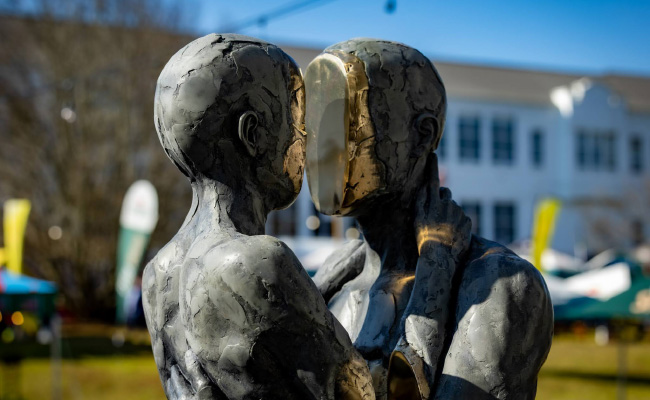
New partnerships
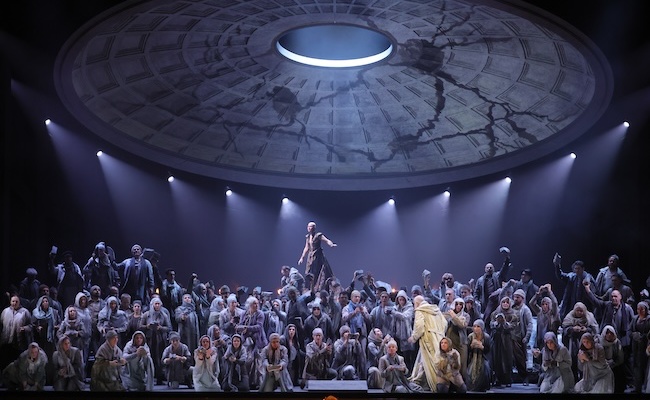
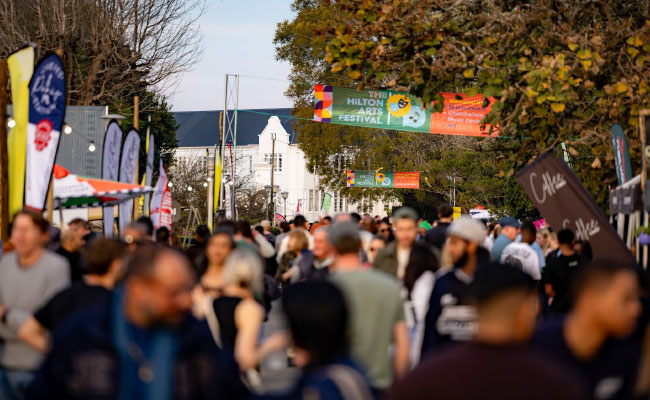
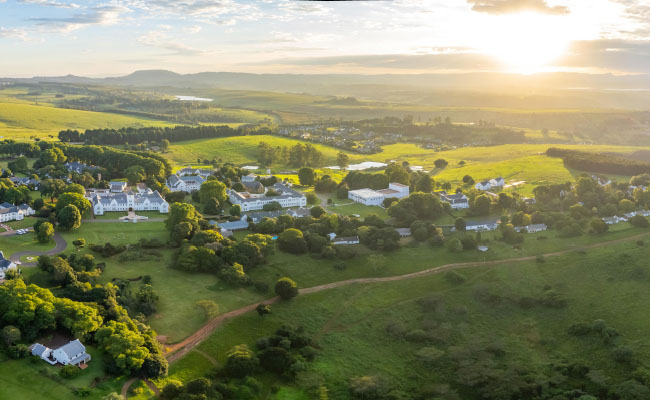
The Hilton Arts Festival, now in its 34th year, has become one of South Africa’s most respected cultural gatherings, drawing about 25,000 visitors to Hilton College in the picturesque village gateway to the Midlands Meander. This weekend’s extensive programme features both local and national talent, spanning drama and physical theatre, cabaret, comedy, live music, film and literature. First National Bank joins as a new partner this year, recognising the festival’s role in connecting creative talent with audiences and trade, while unlocking opportunities that stimulate growth for SMEs and regional economic activity.
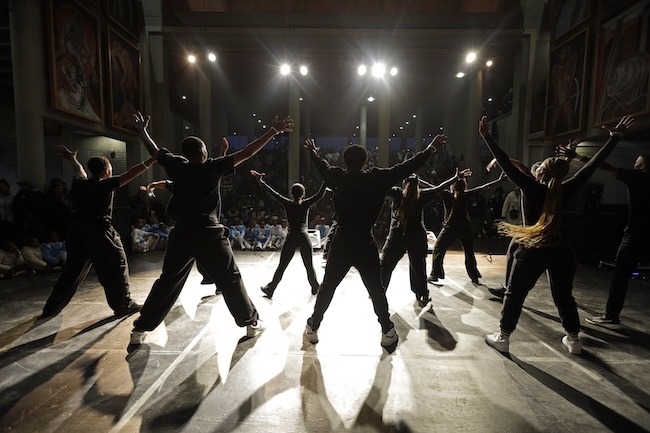
The KZNAF adds a significant platform for audiences this year to engage with contemporary art and design during their visit to the festival. Creative Futures is KZNAF’s educational art and design programme for younger audiences, which builds on Jongosi, the festival’s youth programme, and the Just Geekin’ initiative celebrates gaming, cosplay, e-sports and popular culture. Together, this reveals a commitment to cultivating the next generation of creative practitioners and audiences.
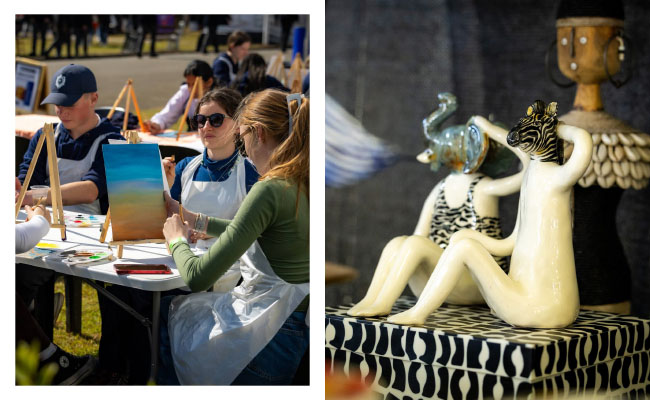
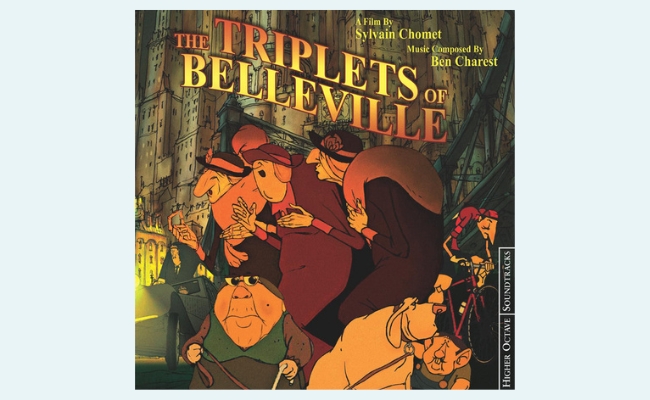
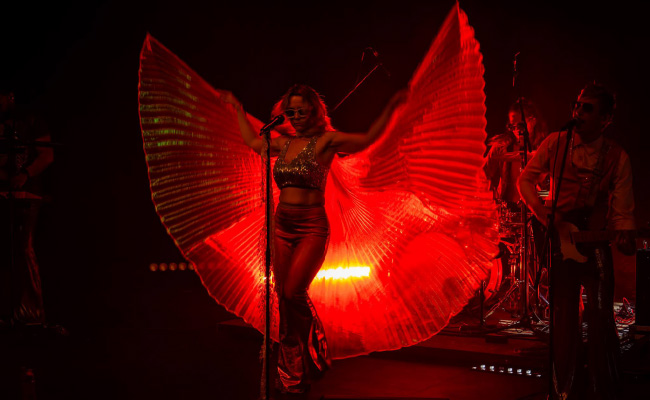
Whether it’s alternative rocker Arno Carstens, virtuoso guitarist Guy Buttery, comedians Louw Venter and Rob van Vuuren (aka Corné and Twakkie), or The Cirk collaboration that blurs the boundaries between fashion, circus and performance art, the programme once again presents a remarkable breadth of creative talent from KZN and further afield.
Economic renewal should not only be measured by cranes on skylines or GDP statistics, but also by the confidence of people willing to imagine, create and invest in a shared future. Judging by the creative energy emerging across KZN, those foundations are already being laid.
The Hilton Arts Festival runs from August 7 to 9. For the full programme visit hiltonfestival.co.za.
ALSO READ:
- ‘It’s massive’ – Zanele Muholi on winning the Hasselblad award
- JCAF: a glimpse of tomorrow
- What stood out at the Investec Cape Town Art Fair this year
All images: supplied.
Sign up to Currency’s weekly newsletters to receive your own bulletin of weekday news and weekend treats. Register here.