
Drive along the Garden Route today, and you’ll notice plenty of property activity. New shopping centres, industrial parks and residential estates. Low stock supply paired with plenty of construction activity. The property pipeline is humming.
The endless stream of development stretches from George to Mossel Bay, Knysna and Plettenberg Bay.
For years, South Africans have been voting with their feet, leaving larger metros in search of a different pace of life. What started as a trickle before Covid became a wave afterwards. Remote work gave people freedom and flexibility like never before. Power cuts reminded us that infrastructure matters, so much so that load-shedding-proof requirements, such as generators in the common areas and gas stoves, have become standard requirements for many on the market for a new home.
The pandemic forced many of us to reconsider what we actually wanted from our homes, and it makes sense, given how much time we spent inside them during lockdowns.
The Garden Route has become one of the biggest beneficiaries of the post-Covid movement, in which people are placing a premium on quality of life.
People aren’t just moving here for the beaches; they want a completely different way of living. Because while demand for coastal property continues to surge, there is another trend happening at exactly the same time.
Sustainability is no longer niche
Consumers are becoming increasingly conscious of how they live. You can see it almost everywhere.
Stay in a modern hotel, and you’ll likely be asked whether you’d like your towels replaced daily. Water is increasingly served in glass bottles rather than plastic ones. Energy-saving systems are no longer hidden in the back of the house. They’re part of the guest experience.
Walk through a supermarket, and you’ll notice more recyclable packaging, refill stations and sustainability claims competing for attention.
Whether we’re booking accommodation, buying groceries or choosing where to spend our money, many consumers want to know that the brands and products they support are thinking beyond convenience.
Sustainability has moved from being a niche interest to something far more mainstream. And, increasingly, that expectation is finding its way into residential property.
Not because people want to sacrifice comfort – they still very much love comfort – but because they want comfort to be smarter. It’s more of a conscious comfort.
‘Deeply connected’
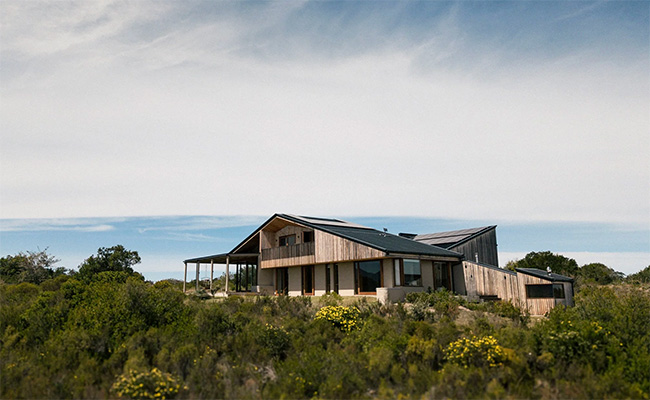
That thought stayed with me as I learnt about Petrichor, a remarkable three-bedroom property tucked into more than 20ha of indigenous fynbos above Plettenberg Bay.
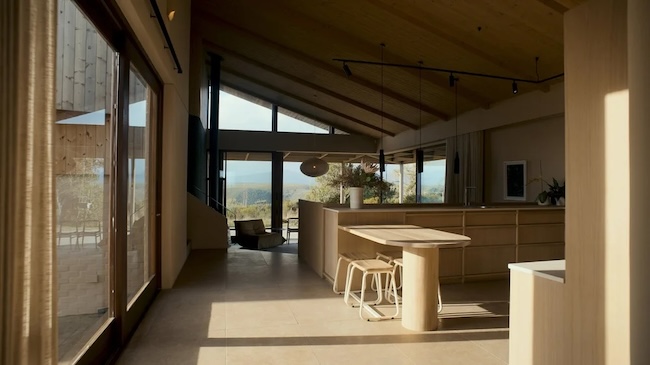
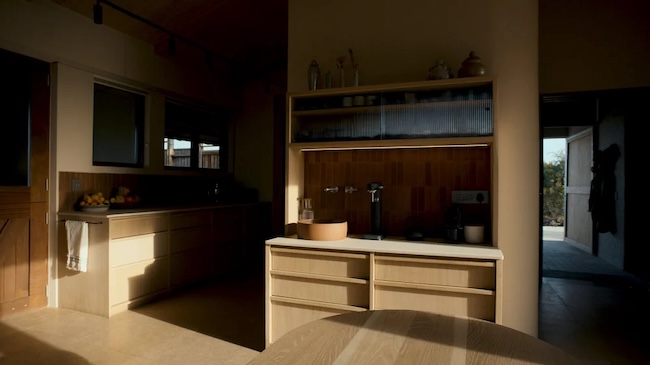
The word Petrichor refers to the pleasant, earthy and sometimes sweet scent that fills the air when rain falls on dry ground – an appropriate name for the property’s positioning, I think.
The architecture wasn’t what caught my eye at first (though it is beautiful), and it wasn’t the views of the Tsitsikamma Mountains, the Robberg peninsula or the Indian Ocean either.
It was the philosophy behind the home and how it speaks directly to today’s conscious consumer.
Designed by award-winning architect Richard Stretton, Petrichor feels less like a house imposed on a landscape and more like something that belongs there.
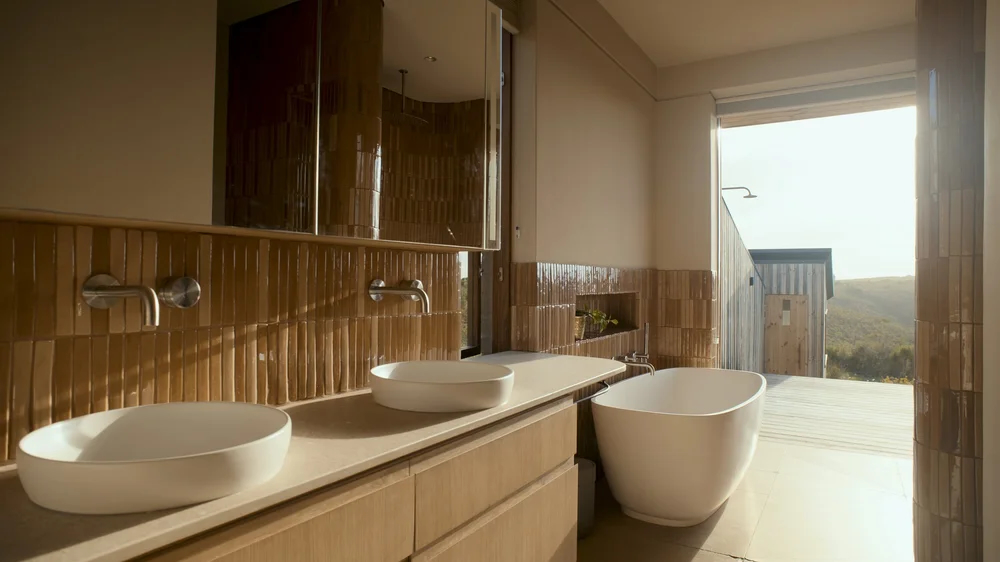
African mahogany, oak and natural stone create spaces that feel warm and grounded rather than overly polished. Black terracotta pendants and wall sconces, handmade by Nindya Bucktowar in Durban, give the home a locally sourced touch. Large windows pull the mountains into everyday life. Walking trails disappear directly into the neighbouring Keurbooms River Nature Reserve.
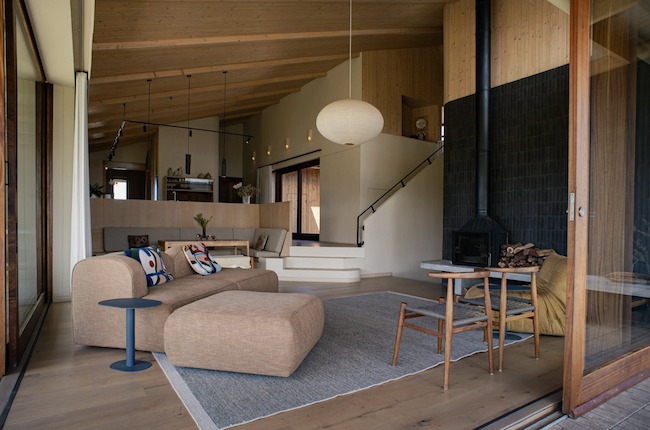
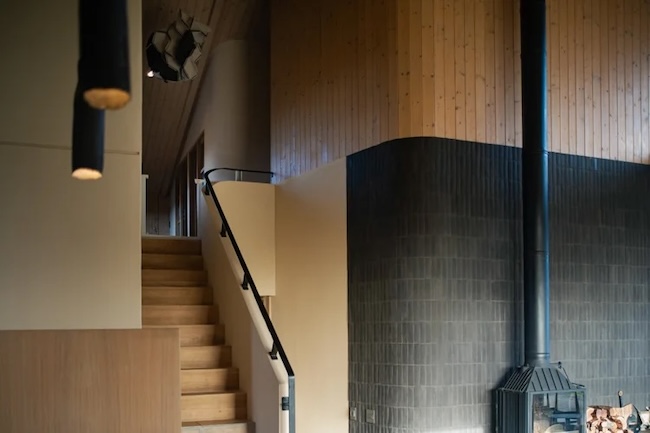
Nothing feels forced. The home is entirely self-sufficient, powered by solar energy, supplied by its own borehole and supported by sophisticated water-storage systems.
“When we started creating Petrichor, sustainability was never the goal in itself,” says Ilan Green, founder of Breinstorm Brand Architects. “The goal was to create a home that felt deeply connected to its environment and genuinely enjoyable to live in. The interesting thing is that when you design around nature, efficiency and self-sufficiency become natural outcomes. You end up consuming less, depending less on external systems, and appreciating more of what is already around you.”
Escape from the world
For many South Africans, independence from failing infrastructure has become one of the most desirable luxuries imaginable: the ability to switch on a light without wondering whether the power will stay on, or turn on a tap without worrying about restrictions or whether any water will come out.
In a country like South Africa, the confidence that your home can continue functioning regardless of what is happening beyond your gate is priceless peace of mind.
And resilience – something so many of us South Africans have ingrained in our DNA – has become incredibly attractive when it comes to the real estate assets that we own.
What makes properties like Petrichor fascinating is that they sit squarely at the intersection of several powerful trends shaping modern life.
Some of those trends include our ever-growing search for greater privacy. In a world of questionable AI-fake everything, we don’t want to unknowingly be the star of someone else’s social media videos in public areas; we don’t want our information sold to third parties; and we certainly want more privacy in our personal space at home.
We are migrating more towards lifestyle destinations, and our desire for sustainability is growing. We increasingly appreciate the concept of self-sufficiency and the need to reconnect with nature.
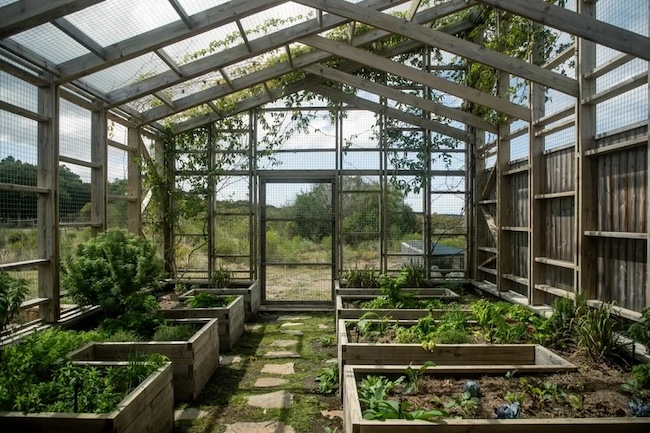
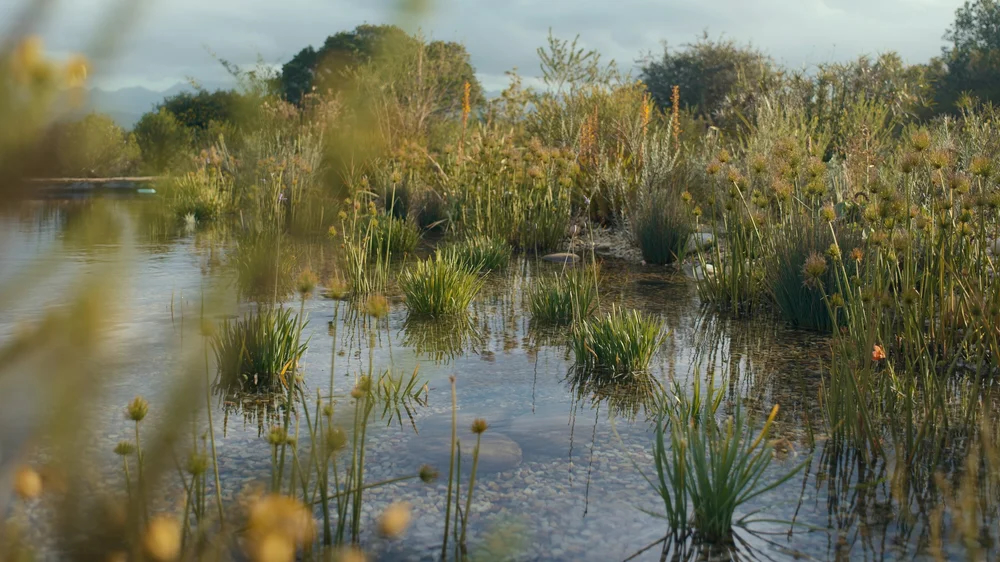
For decades, homes were often designed to separate us from the natural world. Today, many buyers seem to want the opposite. They want food gardens, safe walking trails, outdoor showers and natural swimming pools; homes that work with the environment rather than against it.
Most importantly, they want places that help them slow down. Perhaps that is why the Garden Route continues to capture so much attention. Yes, the scenery is extraordinary, and the lifestyle is enviable. But beneath all of that lies a region that offers people an opportunity to reimagine what success looks like. And it’s not necessarily bigger, flashier or the type of Dubai-esque opulence we see in the luxury residential market.
The new residential luxury is more intentional. It’s not about having more, but having enough. Enough space, freedom, independence and connection to the land beneath your own feet.
In a world that feels increasingly noisy and complicated, that might be one of the most valuable things a home can offer.
ALSO READ:
- Why people are moving to the Western Cape
- Is Joburg’s property market on the mend?
- The great semigration U-turn
Top image: petrichor.farm/house.
Sign up to Currency’s weekly newsletters to receive your own bulletin of weekday news and weekend treats. Register here.