South Africa has spent years regulating who funds its politics. It has done almost nothing about who controls it. That blind spot may soon become the biggest threat to our democracy.
On November 4, voters will elect councils. Most will believe that is the moment power changes hands. It is not. Election day is no longer when power is decided. It is when the real bargaining begins.
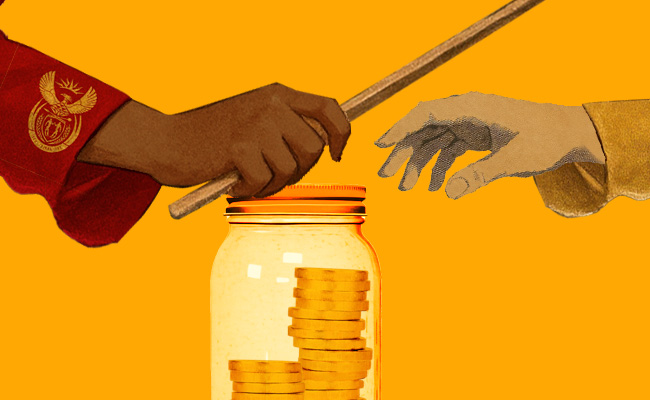
The contest that matters now happens after the ballots are counted. It happens in hotel rooms, boardrooms and lawyers’ offices, where coalitions are stitched together, mayors are chosen and executive posts handed out. Councillors sit at those tables. But many arrive with their mandate already written for them. They carry the agendas of backers who never stood for anything and whom no voter ever sees.
The hand that shapes who runs Joburg, Tshwane and Ekurhuleni is often not the one on the ballot.
Every voter should be worried about that.
Since 2021, our biggest metros have become revolving doors. Mayors come and go – Joburg has had 10 mayors in five years. Coalitions collapse and are rebuilt overnight. We have watched it so many times that we have started to call it normal.
Power is slipping out of the institutions we vote for and into the hands of people we never see: negotiators, donors and fixers who answer to no-one.
There is nothing wrong with lobbying. Every democracy lets business, unions and civil society make their case. The danger is the influence you cannot see. A former minister can trade a member of cabinet for a public affairs firm and keep the phone numbers that matter. A coalition negotiator can help build a government without saying who is paying him. That is the gap. And politics has changed enough to make it dangerous.
The money backing Ramaphosa
The turning point was the ANC’s 2017 leadership race. Forget, for a moment, whether you backed Cyril Ramaphosa. The CR17 campaign changed the business model of ANC politics. It raised money on a scale the party had never seen in an internal contest – reported at more than R400m, a figure Ramaphosa disputes.
Who built that network? What did the donors expect back? And how much did Ramaphosa himself know? His answer has always been that the campaign was built to keep him in the dark about who gave what. Perhaps that spared him the conflicts of interest.
But it exposes something bigger. If the man who becomes president does not know who paid for his campaign, who is left to make sure those donors never come collecting?
This is not an ANC problem alone. The DA has built its brand on clean governance and a promise to be different. Yet it is facing its own questions about deals done in private.
The public row between John Steenhuisen and Cape Town mayor Geordin Hill-Lewis – over an alleged understanding about Steenhuisen’s future once the leadership contest was settled – matters. A private arrangement is not illegal. But members are entitled to know whether the contest was real or whether it was settled in a room before anyone voted.
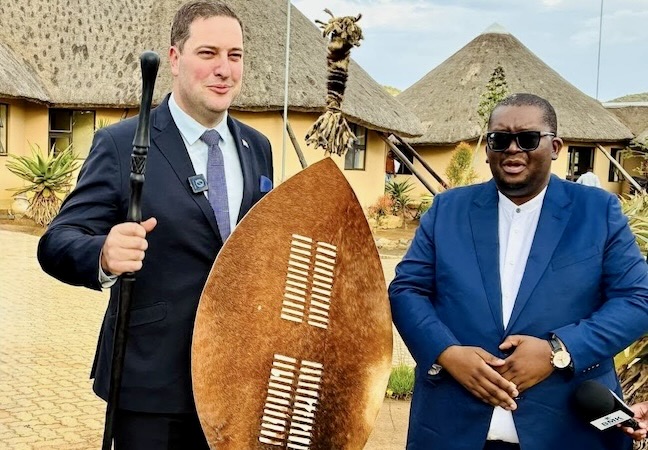
Then there is Tony Leon. The former DA leader is still one of the more influential figures in the country, and he helped negotiate the DA into the government of national unity. He also chairs a public affairs firm with commercial clients. Leon denies any wrongdoing, and nobody has shown he broke the law.
But the question is not about him. It is about the rules. Should a man shape a government one year and represent clients who want things from that same government the next? Coalitions have made it worse. Every hung council creates a new market.
Who are the ones carving up power?
Where no party wins, someone has to broker the deal, and there is money and power in doing it. Some of those deals give us stable government. Others just carve up power and hand it back to the same people, with the voters left out entirely.
Follow the interest, and you find the usual crowd. Business forums that want a say over tenders. Contractors who depend on the right mayor. Fixers who organise factions for a fee. Most break no law. But the resident waiting for water, or the small builder shut out of a tender, never learns who sat in the room that picked the people now spending a billion-rand budget. And the people pushed into those seats are not always ready for them.
In June, auditor-general Tsakani Maluleke tabled her report on municipal audits and warned: “Post-election changes in political leadership often contribute to further regressions in municipal audit outcomes.” The calibre of the mayors and councillors that parties put forward, she said, will decide whether the next administration works. Her office’s earlier calls for tougher oversight and monitoring, she added, “have not been implemented widely”.
The National Treasury, though, has started to force the issue. In July, it temporarily froze R13.5bn in equitable share grants to 69 of the country’s 257 municipalities, the worst-run of them. To get the money back, councils must pass funded budgets, agree plans to pay what they owe, and open criminal or civil cases against corrupt officials.
Lobbying should not be a crime. Government is better when it hears from business, labour and communities. But the law has to catch up with how power actually works.
We know how to remove a councillor, a mayor or an MP. We vote them out. We have no way to remove the people who were never on any ballot, yet increasingly shape who governs us.
That is why the elections in four months matter far beyond who wins Joburg. The real question is simple. Does your vote still choose who governs you? Or does it just start a second contest, one held behind closed doors, where money and quiet deals count for more than the cross you made on the ballot?
Leave that second contest unwatched and we will keep electing leaders who are already in debt before they take office. The obligations were made long before the first vote was cast. That is not one party’s problem. It is fast becoming the defining test of our democracy.
Catch more of Zukile Majova’s viewpoints at Scrolla.Africa, a mobile-first news site covering breaking stories fast from communities across South Africa, where he is political editor, in English and isiZulu.
ALSO READ:
- PODCAST: ‘Sharp Sharp’ – Go, Gogo, go
- Political suicide for the ANC in Joburg
- Who wants to be Joburg mayor?
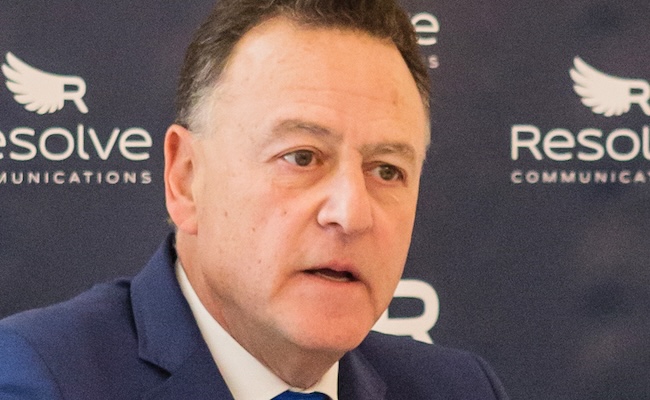
Top image: Former DA leader and GNU negotiator Tony Leon was accused by John Steenhuisen of using his firm’s proximity to the DA to attempt to influence political decisions. He denied any impropriety. Picture: tonyleon.com.
Sign up to Currency’s weekly newsletters to receive your own bulletin of weekday news and weekend treats. Register here.