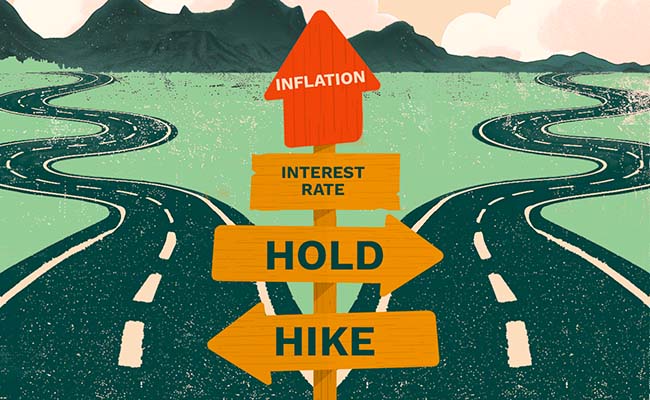

Inflation expectations have surged on the back of the recent oil-driven supply shock, even as Brent crude has since slipped back and domestic fuel prices are poised to fall. The clash leaves the South African Reserve Bank (SARB) unusually finely balanced ahead of its July decision.
The latest survey from the Bureau for Economic Research (BER), conducted between May 18 and June 4, when oil was still trading near recent highs, shows average headline inflation expectations for 2026 jumping to 4.4% from 3.6% in the first quarter. Expectations for next year and further out have also shifted higher, with respondents now seeing inflation at 4.2% in 2027, 3.9% in 2028 and 4.1% on average over the next five years – all still above the SARB’s 3% target.
Households, which had been steadily revising their view lower since mid-2023, have suddenly turned more nervous. Their one-year expectations climbed to 6% from 5.4%, while five-year expectations rose to 9.1% from 8.4%. Among the professional groups, analysts still see the quickest return towards target, while businesspeople and trade unions are more sceptical about how quickly inflation will settle back down.
“It’s quite worrisome that businesspeople now expect inflation to remain above 4% throughout the forecast periods,” says Sifiso Mkhwanazi, macroeconomist at Alexforbes. “As a result, I think the SARB will be concerned about second-round effects and the risk of inflation becoming sticky.”
The recent rise in services and core inflation – with core at 3.8% in May and headline inflation at 4.5% – only adds to that concern.
Falling oil prices
While the second-quarter BER survey will be one of several inputs into July’s decision, its signal on longer-dated expectations matters most for second-round pressures. Five-year expectations have been driven largely by trade unions, while business and analysts have shown smaller moves so far. If those groups start to bake persistently higher inflation into their forecasts and wage demands, the case for keeping policy restrictive – and possibly extending the current tightening cycle – becomes much stronger.
The timing of the survey is critical. It captured respondents at the height of the global energy shock sparked by the conflict between the US and Iran, when fuel prices were surging, and the oil risk loomed large in every inflation forecast. Since then, a 60-day ceasefire agreement has reopened the Strait of Hormuz, sent global energy costs sharply lower and set the stage for a steep decline in domestic fuel prices.
“The survey was done before oil prices fell back dramatically,” says Azar Jammine, chief economist at Econometrix. “So, to some extent, those expectations are outdated and don’t take into account the steep declines in fuel prices” from July and August.
The mismatch makes the latest BER release harder to read than the headline suggests: it captures inflation fears at the peak of the shock, just as the underlying driver has begun to fade.
Mkhwanazi also argues that analysts’ expectations should adjust lower relatively quickly now that oil has retreated. “Initially, oil futures were pointing to the oil price slowing to around $85 by year-end this year and slowing further to around $75 by next year. But we are already now seeing an oil price around $73,” he says. “What we do think is that the upside risks to the inflation outlook have certainly now eased somewhat this year.”
Pressure to act
The SARB is left with a familiar but tricky problem: whether to respond to the data gathered during the shock or to the outlook now that it has partly reversed. The survey shows expectations drifting higher across households, firms and organised labour, even as the oil market points to lighter pressure in the coming months.
Reserve Bank governor Lesetja Kganyago made clear before the BER report was released that the central bank would not wait for inflation to become entrenched before acting. Speaking to CNBC Africa earlier this month, he said the US-Iran agreement had reduced some immediate pressure but left “considerable uncertainty”; he stressed that policymakers must respond when inflation expectations begin to drift away from the target.
“We cannot wait to see the whites of inflation’s eyes – we have to act based on where we are,” Kganyago said.
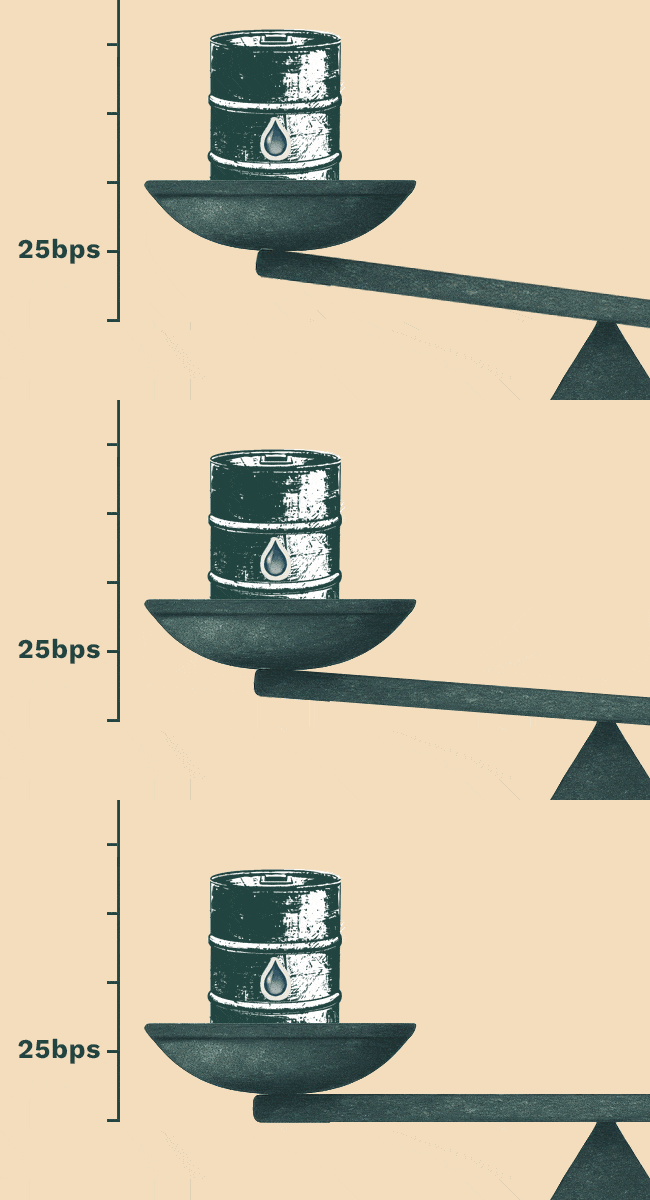
That remark now lands against a higher set of expectations than the SARB had in hand at its May meeting, when it raised rates by 25 basis points to 7%. Bloomberg reported on Tuesday that forward-rate agreements are pricing in about 20 basis points of tightening at the July 23 monetary policy committee (MPC) meeting and another 25 basis points by January, suggesting markets still see at least one more move as likely despite the improvement in oil.
Tough call
The survey’s signal is less about inflation rising again than about where the rise is coming from: an oil-driven supply shock bleeding into expectations just as its price impulse fades. That is the mix the SARB guards against. Higher petrol prices do not automatically demand a rate hike, but they can reshape how firms, workers and consumers think about inflation over time – and that shift outlasts the price that set it off.
The MPC meets on July 23 with the survey and the oil market pulling against each other. The jump in medium-term expectations and the risk of second-round effects make the argument for another 25-basis-point increase; the reversal in crude, the coming fuel-price cuts and the chance that the spike proves backwards-looking make the argument for holding. Which force the committee trusts more – the expectations in front of it or the outlook oil is now sketching – will settle whether it moves again or holds.
ALSO READ:
- Dizzying reversal in oil prices has rates in and out of play
- May’s inflation print just made SARB’s next rate call harder
- The hidden warning in the GDP data: consumers are buckling
Top image collage: Rawpixel; Currency.
Sign up to Currency’s weekly newsletters to receive your own bulletin of weekday news and weekend treats. Register here.